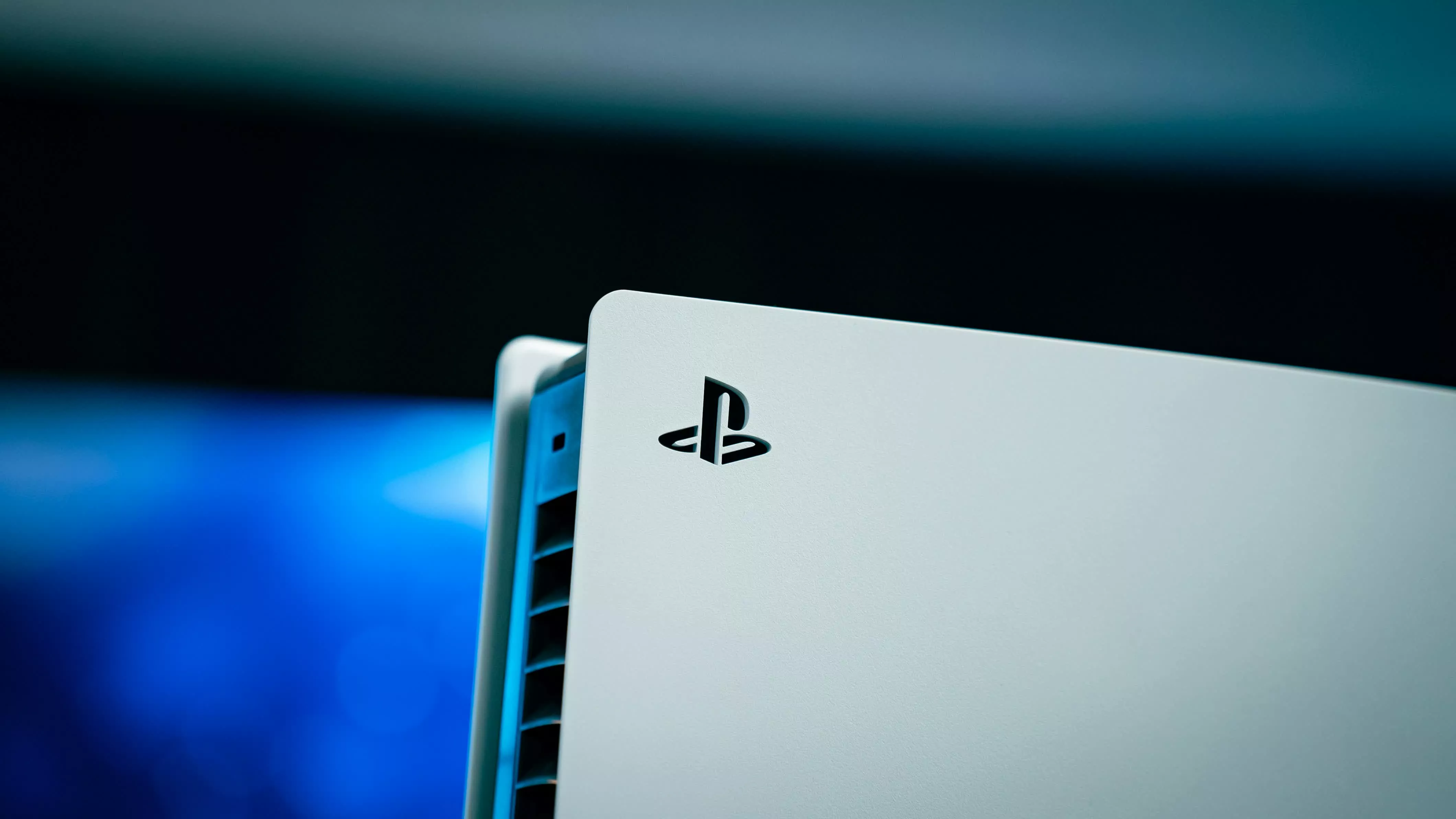
What we know so far: Experts have suggested that the next-generation PlayStation and Xbox consoles could launch in 2027, but the ongoing memory crisis has sparked speculation that their releases could be delayed. A recent comment from Sony's CEO makes that possibility seem more likely, although it remains unclear how console production cycles might respond to an increasingly chaotic hardware market.
Sony CEO Hiroki Totoki recently told The Wall Street Journal that the company has yet to nail down the PlayStation 6's launch date. While trusted leakers have painted a fairly clear picture of the upcoming console's capabilities, Sony – and Microsoft, for that matter – are likely still determining how to grapple with soaring memory prices.
Rumors as recently as March claimed that Sony and Microsoft were internally targeting 2027 for the release of the PS6 and the next-generation Xbox, codenamed Helix. Earlier this year, AMD also confirmed that its chips for the new Xbox would be ready for mass production in 2027. Microsoft has also confirmed that development kits will be available next year.
However, with the buildout of AI data centers consuming so much RAM that prices have quintupled since 2025, many are wondering whether consoles launching during the memory crisis can remain below a $1,000 MSRP. The PS6's bill of materials is reportedly fast approaching that figure, while current-generation consoles have already undergone steep price increases.

Still, waiting out the RAM shortages might not be an option. While experts agree that the crisis will last through 2027, opinions vary on whether the memory supply will stabilize in 2028 or remain constrained into the 2030s.
Sony and Microsoft have reportedly locked in the specifications for their upcoming consoles. Both are expected to feature AMD's Zen 6 CPU architecture, RDNA 5 GPUs, and GDDR7 memory. Sony might also introduce a handheld device based on the same architecture.
The two manufacturers have also publicly discussed their technological objectives for the PS6 and Helix. These include dramatic improvements to ray tracing and path tracing performance, machine-learning-assisted upscaling to enhance image quality, and neural techniques that might improve micropolygon rendering while reducing file sizes through compression. Microsoft has also confirmed that Helix will support PC games.
The phaseout of physical media has also become a controversial issue heading into the next console generation. Despite widespread outcry, Sony has shown no intention of deviating from its plan to cease manufacturing physical PlayStation game discs in January 2028, sparking speculation that the PS6 could arrive later that year. Meanwhile, Microsoft has not yet decided whether Helix will support optical media, but the company is expected to allow users to convert old Xbox discs into digital licenses.