
TL;DR: A long-running microSD endurance test has put 351 cards from 52 brands through repeated write, verify, and erase cycles to see how they hold up under heavy use. So far, 177 cards have failed, gone read-only, or developed verification errors across more than half their sectors. The results show clear differences in endurance between brands and card types.
Tech enthusiast Matt Cole started the project in 2023 and recently shared an update on Reddit's r/DataHoarder. The test covers 111 models. Of the 351 cards, 107 are still running, while 67 are waiting for an open card reader
Cole's setup is designed to wear out the cards. It does not reflect how most people use microSD storage in a phone, camera or handheld gaming device. The cards are cycled until they can no longer reliably write or retain data, making the project a comparison of endurance under sustained stress rather than a forecast of normal lifespan.
Cole sorts the cards into consumer, high-endurance, and industrial categories. Consumer cards are standard retail models. High-endurance cards are sold for devices that write data often. Industrial cards are built for heavier use and usually include data sheets and stated endurance ratings.
The average consumer card in the test lasted about 10,000 program/verify/erase cycles. PNY, Kingston, Delkin Devices, Lexar, and Samsung ranked as the five strongest consumer brands.
Amazon Basics cards have not failed in the test so far. They have been running for 788 days, completing 16,600 cycles and writing a combined 4.2 petabytes of data. Cole kept them out of the main rankings because Amazon could change the NAND flash or other components without changing the product name. If that happens, results from the cards in this test may not apply to later versions.
The database also shows weaker results from several established brands. Cole listed ADATA, Gigastone, Micro Center, Silicon Power and SanDisk among the poorer performers in their categories. He did not include no-name brands in that comparison because inconsistent results are more common with generic cards.
Cole had tested 200 cards at the time of his previous update. Since then, 84 more cards have failed. That number reflects the test's constant workload, not the failure rate buyers should expect during ordinary use.
I've been doing endurance testing on microSD cards for the last 3 years. Here's what I've learned.
by u/mikaey00 in DataHoarder
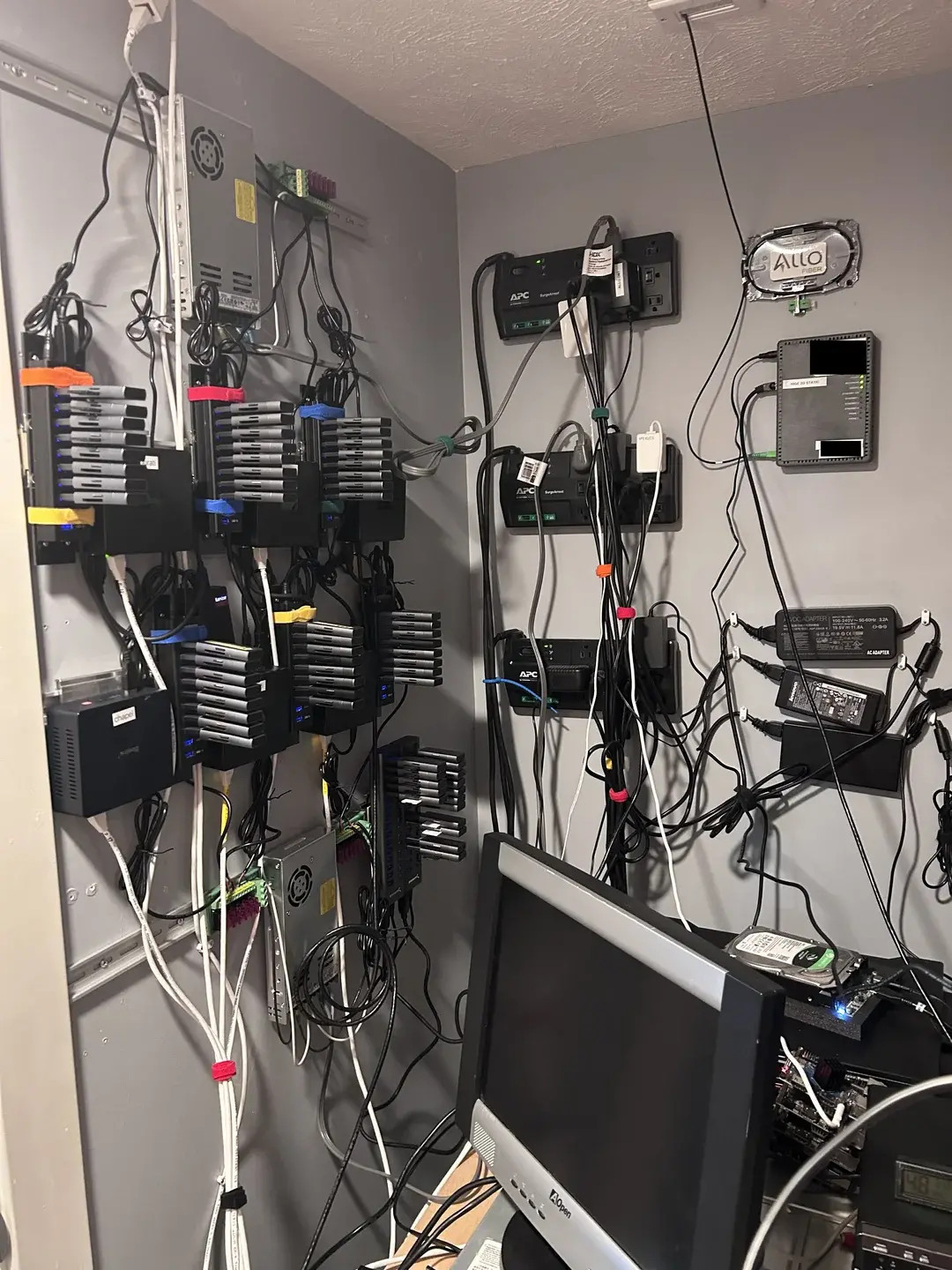
The test requires a sizable collection of mini PCs and older gaming laptops. Cole uses a Beelink Mini-S with an Intel N95 processor, 8GB of RAM and a 500GB SSD; five TRIGKEY Green G4 mini PCs; a TRIGKEY K-N100 with an Intel N100 processor, 16GB of RAM and a 500GB SSD; and an AOOSTAR mini PC with an Intel N150 processor, 12GB of RAM and a 500GB SSD.
He also uses an MSI GE62VR-7RF Apache Pro with an Intel Core i7-7700HQ, 32GB of RAM and a 1TB SSD; a Lenovo IdeaPad Y850 with an Intel Core i7-3630QM, 8GB of RAM and a 1TB SSD; and an Asus ROG Strix Hero II GL504GM with an Intel Core i7-8750H, 32GB of RAM and a 500GB SSD.
Cole buys the cards himself unless they are donated, and he maintains the systems and readers used to run the tests. Unfortunately, higher memory card prices could make it more expensive to add cards and keep the project running.