Graphics Matter: One of the original designers of Thief has some rather peculiar ideas about graphics in games. Randy Smith thinks the industry should have stopped advancing graphics around 2010 rather than spending massive amounts of money to relentlessly push photorealism in major AAA projects.
Randy Smith knows a thing or two about game design. The developer worked extensively on the Thief series before funding indie studio Tiger Style in 2008. Most recently, Smith shared his thoughts on how studios should approach graphics fidelity in games. Spending increasingly enormous sums of money chasing extreme photorealism isn't worth it, the designer said in a recent interview.
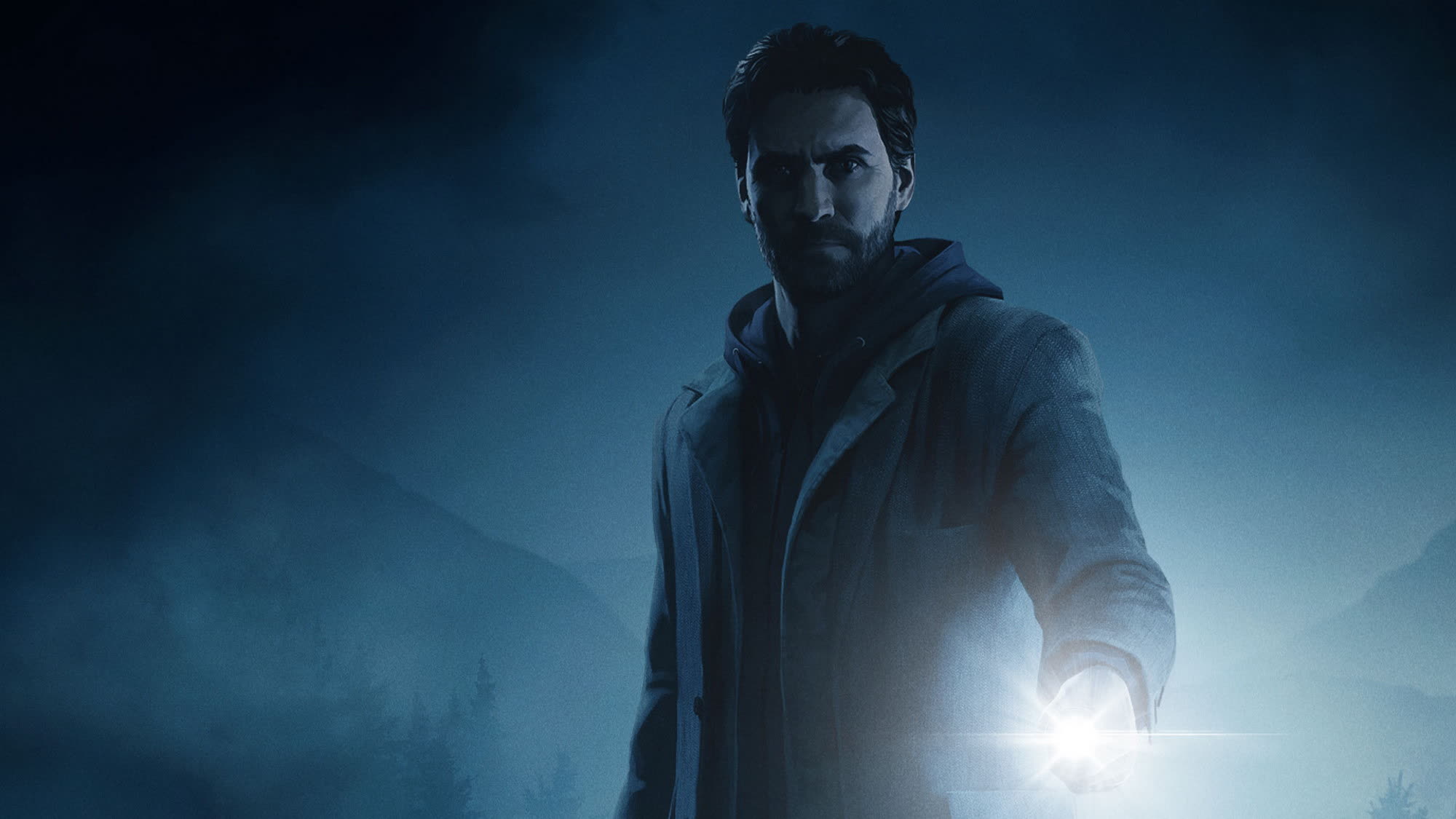
Smith's idea about graphics fidelity is apparently that the entire industry should have stopped with Alan Wake. In 2010, Remedy released its supernatural action-adventure cult classic to positive reviews, with the game eventually selling millions of copies. Its graphics were photorealistic enough that players could "100%" feel like part of the virtual world.
"I see that I'm going to an island in the Pacific Northwest. Why do we need more graphics? Because they just cost a ton. Like, I 100% get it. I've got the vibe. It feels right. What else are we doing with this graphics arms race, right," Smith said during the interview.
Any additional effort beyond that level of photorealism is just "gravy," the designer said. Graphics have now become a massive part of a game's development budget, but they mostly don't serve any meaningful purpose anymore. The "spectacle" of increasingly impressive graphics fidelity would certainly benefit "immersive sim" games such as Thief or Deus Ex: Mankind Divided, but Smith doesn't think it is required to build a great interactive experience in which players can freely experiment with the game's world.
Smith's argument comes with an implicit criticism of the ballooning budgets required for graphically intensive games. The designer cited Ghost of Tsushima and the upcoming GTA VI as examples of games designed to be big enough to entice both the general public and gamers. In the end, the increased graphics budget might overestimate the number of people interested in photorealistic immersive sims.
Smith's opinion about graphics is certainly controversial, and most likely wrong. Every gamer on the planet has their own idea of what constitutes the "best game graphics," while game engines such as Unreal Engine and idTech have made enormous progress in recent years, both in graphics and simulation complexity.
Smith is likely – and willingly – confusing photorealism with art direction, with the latter being the really important part of the equation. While it includes some undeniably dated graphics assets, I consider FromSoftware's Elden Ring to be the most visually spectacular experience I will ever see on a screen in my life.