Facepalm: Waymo self-driving taxis might crash less often than human drivers, but they're far from perfect, and when they do something wrong, how do people let them know? That was the issue that appeared recently when a Waymo entered a farmers market as stall owners were setting up their stands.
The vehicle entered Denver's South Pearl Street Farmers Market on Sunday, September 20. Assistant market manager Shari Wilkins told 9News (via The Denver Gazette) that it arrived around 8:40 am, 20 minutes before the market was due to open.
Despite barricades and signs, the car made its way into the market, leaving workers trying to stop it and clear its path.
Market manager Nicole Jarman told Denver7 that the barricades were moved aside during setup to allow vendors' vehicles through. The Waymo followed that traffic flow inside.
Jarman said the vehicle was not driving recklessly, and no injuries were reported. But the incident left organizers wondering how to warn a vehicle that has no driver.
Jarman said the city had contacted her and would approach Waymo through Denver's Department of Transportation and Infrastructure to establish what workers should do if it happened again. Waymo said would learn from the incident as it continued improving safety.
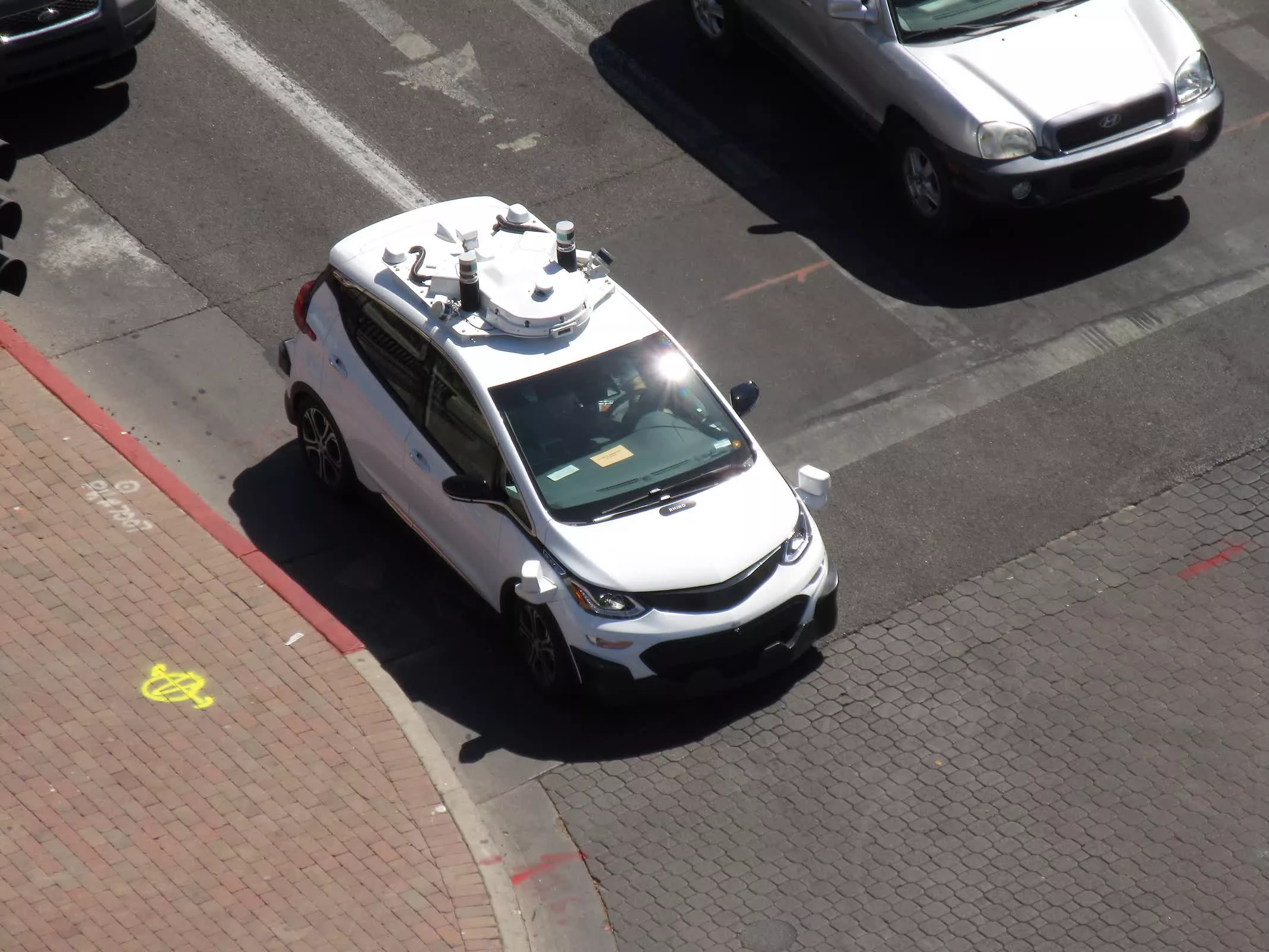
A company spokesperson said the vehicle had already been navigating toward a destination on South Pearl Street when setup began. Waymo maintained that its system recognized the situation and maneuvered out of the market.
In July, it was reported that an independent Insurance Institute for Highway Safety analysis found Waymo vehicles had a 68% lower rate of police-reportable crashes than human drivers.
Across roughly 50 million autonomous miles, the rates were 1.28 crashes per million miles for Waymo and 4.06 for humans. Researchers adjusted for differences in reporting minor collisions, although operating conditions and comparisons with average drivers make the headline figures better than they sound.
Accountability for self-driving cars is also changing. California's new rules allow police to issue notices of noncompliance to autonomous vehicle manufacturers. The process gives authorities a route to report alleged traffic violations even when nobody is behind the wheel.
Denver's market encounter might not have been a crash, but it highlights another problem with autonomous vehicles. People sharing streets with robotaxis need to know how to get their attention when something goes wrong.
A far more serious incident in 2023 saw a Cruise robotaxi drag a pedestrian, who had been struck by another car, underneath its wheels, prompting a nationwide pause. GM later ended Cruise's robotaxi development. While nobody was hurt in Denver, the encounter again raises questions about how autonomous vehicles handle unexpected situations.