The big picture: Microsoft has warned IT administrators that PCs running older versions of Windows with soon-to-expire certificates will lose access to Windows Update services unless they are updated before the expiration date. The warning covers all client PCs, workstations, and servers, with the exception of enterprise network devices that receive updates through Windows Server Update Services.
According to Microsoft, the certificates used by Windows Update services have a preset expiration date and must be replaced periodically for devices to keep receiving monthly updates. The company noted that devices running Windows 11 25H2 and later already have the latest certificates, but those in older versions of Windows 11 are set to expire next year.
Microsoft further clarified that the certificates in Windows 11 version 24H2 and Windows Server 2025 will expire on June 19, 2027. Devices still running these versions will need to install the September 2025 Windows security update or later to retain access to Windows Update beyond that date.
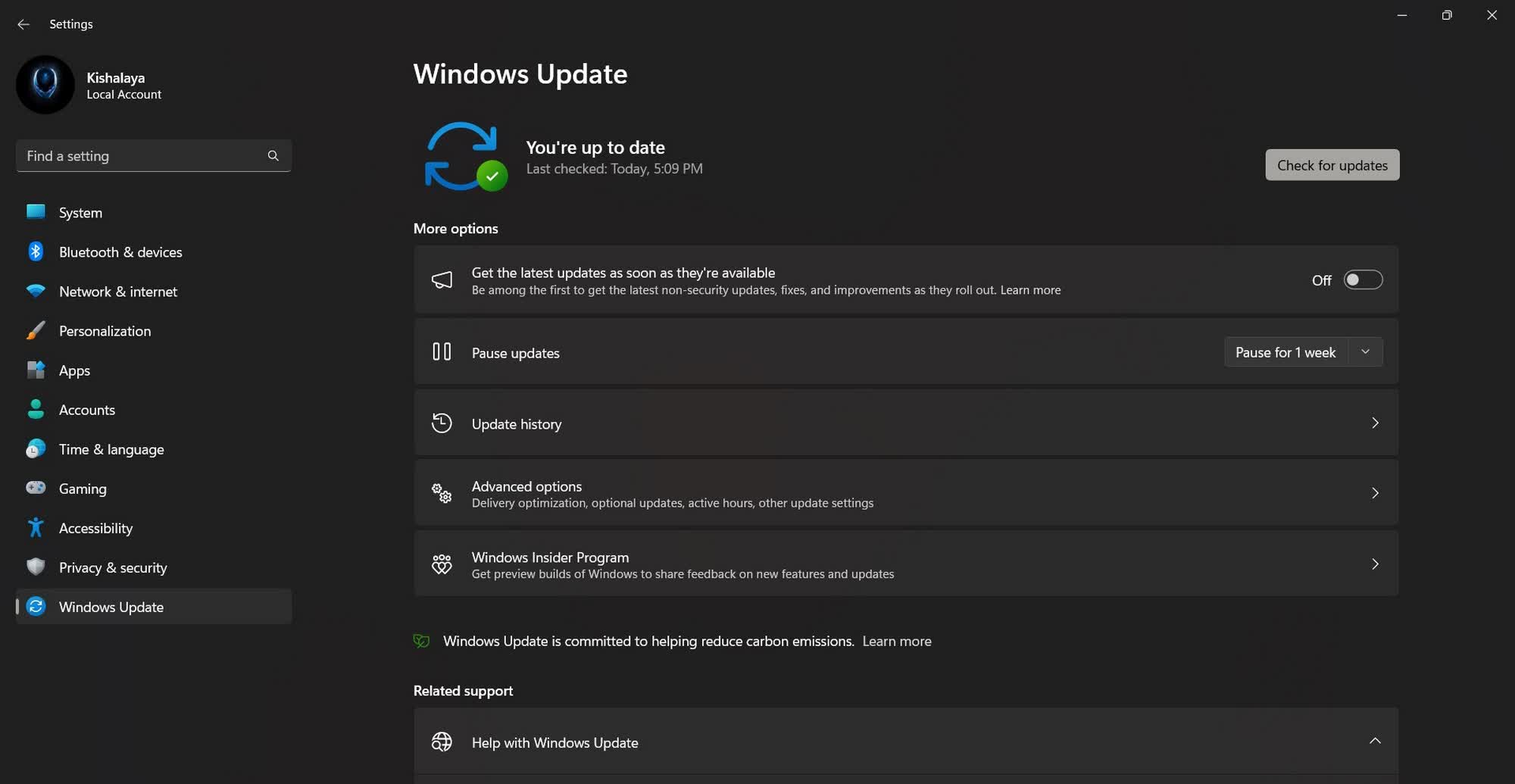
Other supported Windows 11 versions and Windows Server 2022 share the same expiration date, but those devices will need the July 2026 security update or later to keep receiving updates. Supported Windows 10 versions also require the July 2026 update, with the same June 19, 2027 deadline.
Devices running the Long-Term Servicing Branch (LTSB) or Long-Term Servicing Channel (LTSC) releases of Windows 10 Enterprise 2019, Windows Server 2019, and Windows Server 2016 face an earlier cutoff: they have until May 17, 2027 to install the July 2026 security update.
Older Windows versions that are already unsupported and no longer receive updates will also lose access to Windows Update services, and Microsoft recommends upgrading them.
While keeping your PC updated is generally a good idea, long-suffering Windows users have every reason to be skeptical about installing new updates on devices that are working properly. They know all too well that Microsoft has a nasty habit of releasing buggy updates that often cause more problems than they fix.
While keeping your PC updated is generally a good idea, long-suffering Windows users have every reason to be skeptical about installing new updates on their devices as long as they're working properly, because they know all too well that Microsoft has a nasty habit of releasing buggy updates that often cause more problems than they fix.
For example, the August 2026 Patch Tuesday update was reported to be crashing games and randomly rebooting PCs, affecting several popular titles, such as Arc Raiders, Marvel Tokon: Fighting Souls, and The Finals. A similar problem also resurfaced last month, with the KB5124010 update reportedly responsible for crashing Battlefield 6, Wardogs, and other Javelin-protected titles.
And those are far from the only cases. In the past year alone, Windows 11 updates have broken the Recycle Bin and OneDrive, slowed down Nvidia GPUs, and triggered installation errors severe enough for Microsoft to pull one. It got to the point that the company shifted its focus to stabilizing Windows 11 after a string of patch failures.