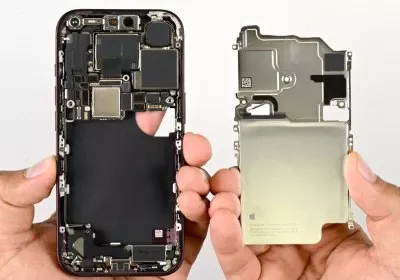
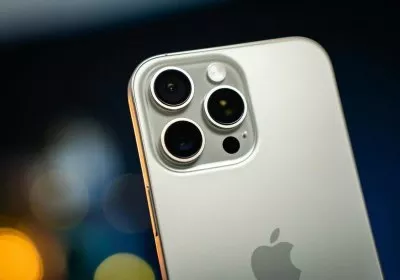
TSMC is sitting on $1 billion worth of finished iPhone chips with nowhere to go
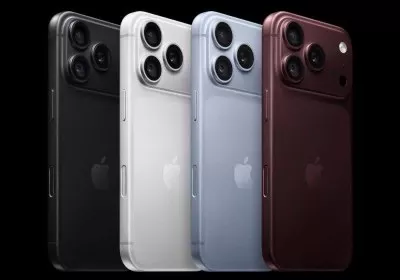
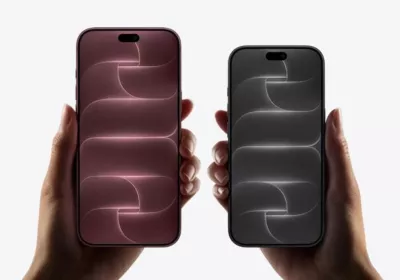
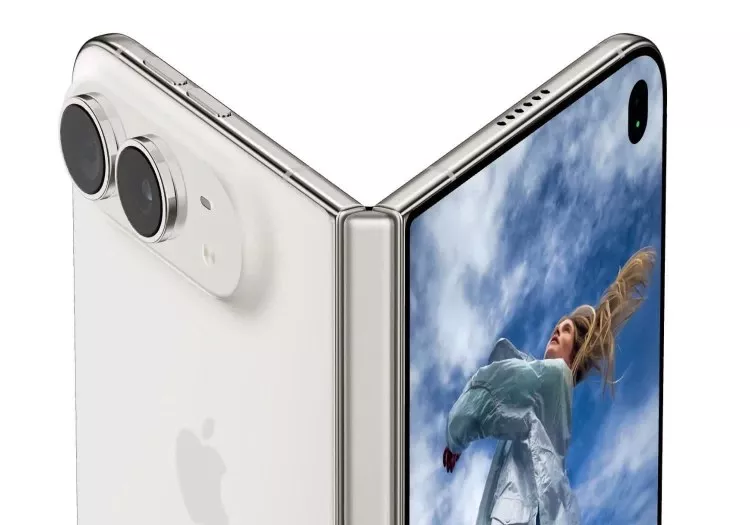
Ripple effect: In the run-up to the launch of the foldable iPhone Ultra, iPhone 18, and iPhone 18 Pro, Apple and its assemblers are working to secure enough mobile DRAM. Apple leans heavily on Micron for these chips and also buys from SK Hynix and Samsung. People involved say they still expect to meet initial demand, but they worry online wait times could stretch and store inventory could run out quickly if the shortage continues.
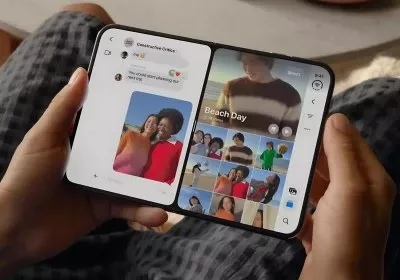
The new Galaxy Z Fold 8 is drawing early praise for ditching the tall, narrow foldable formula in favor of a shorter, wider "passport" shape that is easier to use one-handed when closed, and better suited to video watching when open. At 201g, Samsung says it's also the lightest Fold model yet.
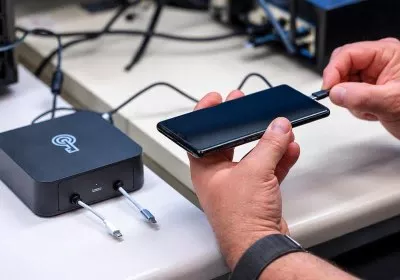
Get Off My Phone: The recently unveiled case brought by the US Department of Justice against a GrapheneOS user is rekindling debate around privacy and effective operational security on mobile devices. The GrapheneOS Foundation has joined that debate, reaffirming some key points about the operating system's security features and whether previously deleted data can ever be recovered.
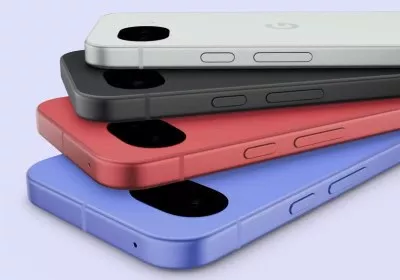
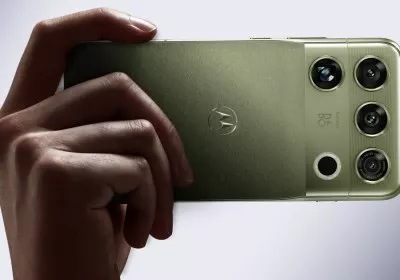
GrapheneOS is a security focused mobile OS for Google Pixel phones (soon Motorola). Based on Android's open source roots, it adds extensive hardening features, stronger app sandboxing, and granular permissions while allowing users to install Google Play services as regular apps. The project has grown past 400,000 active users. Its tools recently made the headlines after prosecutors treated the OS's remote wipe feature as evidence.
Prosecutors say the OS erased evidence, but advocates warn the case could criminalize security tools
A hot potato: A federal case in Atlanta is raising questions about a privacy-focused mobile operating system, with prosecutors arguing that its features were used to erase evidence. The US Department of Justice is attempting to prosecute Atlanta resident Sam Tunick under a federal statute that makes it a crime to destroy property in an effort to prevent it from being seized.
What we know so far: Samsung has announced a new display technology for foldable devices designed to balance strength, flexibility, and slimness. Dubbed Flex Titanium for its use of two titanium-based components, it is set to debut in the next generation of Galaxy foldable devices that'll be announced on July 22.
Social media cooling tips are leaving phones with moisture damage
Facepalm: The UK and Europe are going through an unprecedented heatwave right now. It's causing a lot of problems, including devices that keep overheating as temperatures soar. To try to cool them down, some Brits have been placing them in their fridges and freezers, but the only thing this results in is more work for repair shops.