AI Economy: The memory shortage triggered by the AI boom is creating unprecedented challenges for PC makers, but HP executives say they have seen similar disruptions in the past. Customers may need to adjust to this new reality, as system configurations are likely to be significantly affected by ongoing supply chain constraints.
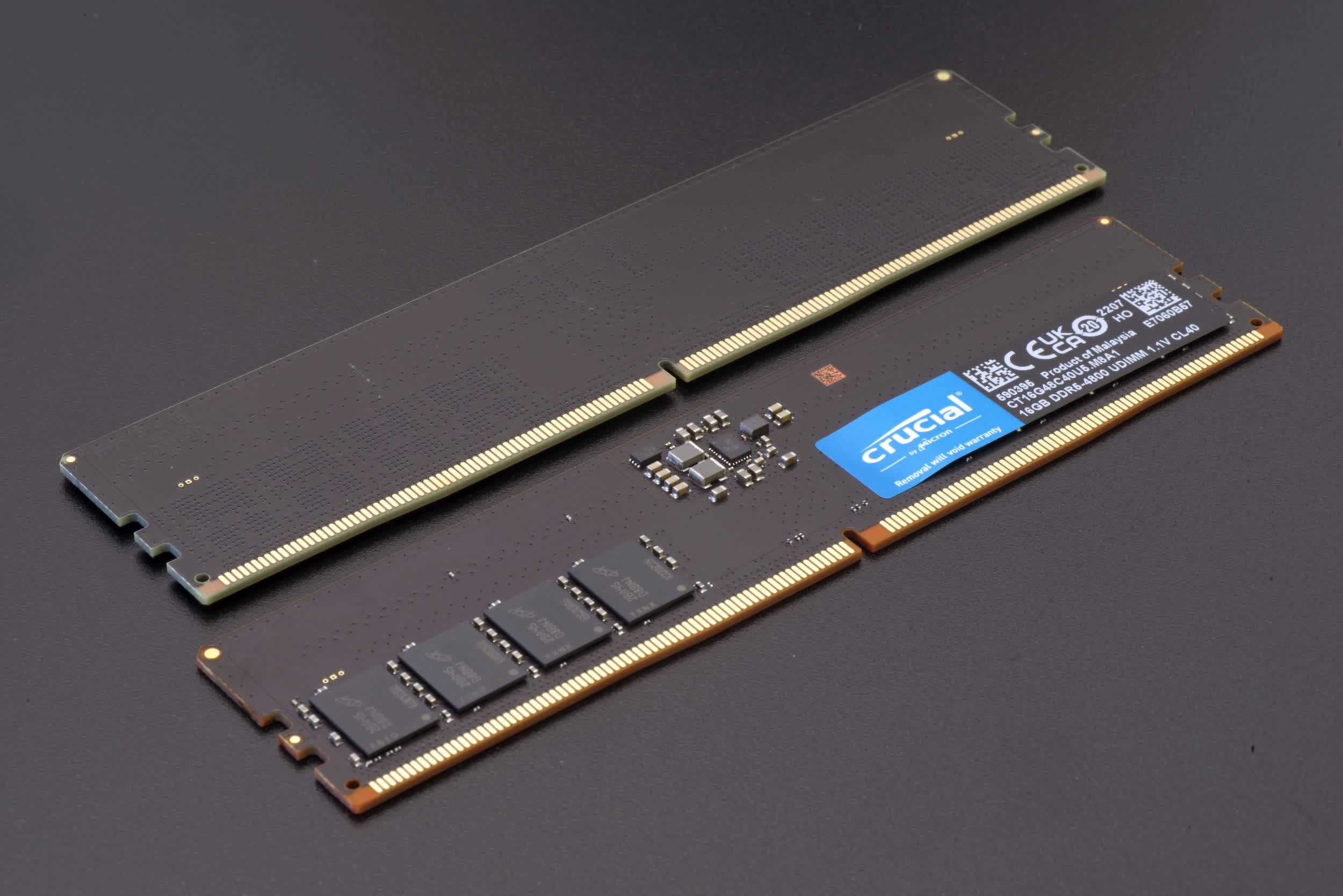
Over the past few months, RAM chips used in new PCs have nearly doubled in price. According to HP Inc. CFO Karen Parkhill, memory's share of the PC bill of materials has risen from 15 percent to 18 percent, and now to roughly 35 percent. And that may be only the beginning, as Parkhill expects an even greater pricing impact in the second half of the fiscal year.
Parkhill and other HP executives made the remarks during the company's latest earnings call, where they shared updated financial results for the first quarter of fiscal 2026. One of the world's largest PC manufacturers reported solid performance, with an 11 percent year-over-year increase in revenue to $10.3 billion. The Personal Systems unit shipped 14 percent more PCs than in the same quarter last year, while commercial PC sales rose 11 percent.
However, Parkhill now expects a sharp double-digit decline in system shipments over the remainder of the year. Higher prices are likely to weigh on demand, resulting in fewer PC sales.
In any case, HP Inc. intends to protect its margins by following a defined strategic approach. According to Ketan Patel, president of HP's Personal Systems division, the company is relying on its internal "playbook" to navigate volatility in the memory supply chain. That strategy includes several tactical adjustments, though it will ultimately mean selling PCs at higher prices and, in some cases, with lower hardware specifications.
In Patel's words, HP aims "to leverage part of our broad portfolio with silicon diversity so that we can offer different choices to customers in order to ensure how we do the demand-supply equation matching and also introduce low memory configurations."
Patel said HP is trying to limit how much of the price increase is passed on to customers by improving supply chain management and expanding configuration options. The AI-driven surge in demand, which executives describe as the primary cause of the current crisis in the memory market, may also eventually ease certain logistics costs.
In recent months, soaring AI-related demand has turned nearly every component containing memory chips into a significantly more expensive commodity. Building custom systems is now out of reach for many PC enthusiasts, and even relatively affordable single-board computers such as the Raspberry Pi are no longer as inexpensive as they once were. Meanwhile, scammers have taken advantage of the tight market by inflating prices and selling counterfeit DRAM modules on the secondhand market.


