
Forward-looking: OpenAI has officially launched GPT-5, more than two years after GPT-4 and a long parade of incremental upgrades. The company is pitching it as a "unified" AI that can seamlessly decide when to be fast, when to think deeply, and when to conserve resources. It's the kind of framing that suggests a new era for ChatGPT's 700 million weekly users and the broader AI market. But behind the marketing, GPT-5 is as much a strategic play in an intensifying AI arms race as it is a leap in capability.
GPT-5 is now the flagship model powering ChatGPT for all kind of users, including the free tier. Pro subscribers and enterprise clients get GPT-5 Pro, a beefier variant with deeper reasoning and parallel compute for research, law, and other multi-step problem spaces. GPT-5 Mini and Nano are stripped-down siblings: Mini for quick, mid-tier reasoning when limits are hit, Nano for ultra-light work in latency-sensitive or mobile contexts.
For users, the biggest change is the invisible router deciding which model handles your query. Instead of picking "fast" or "smart," the system chooses for you – GPT-5 "thinking" mode for complex reasoning, a smaller sibling for simpler tasks. It's seamless, but it hides when you're getting a less capable model.
OpenAI claims GPT-5 edges out competitors from Anthropic, Google DeepMind, and xAI on certain benchmarks, particularly in coding, law, logistics, and sales. In reasoning mode, GPT-5 is about 80% less likely to hallucinate than its o3 predecessor. That's a notable safety gain, especially since hallucinations have been the Achilles' heel of high-reasoning models.
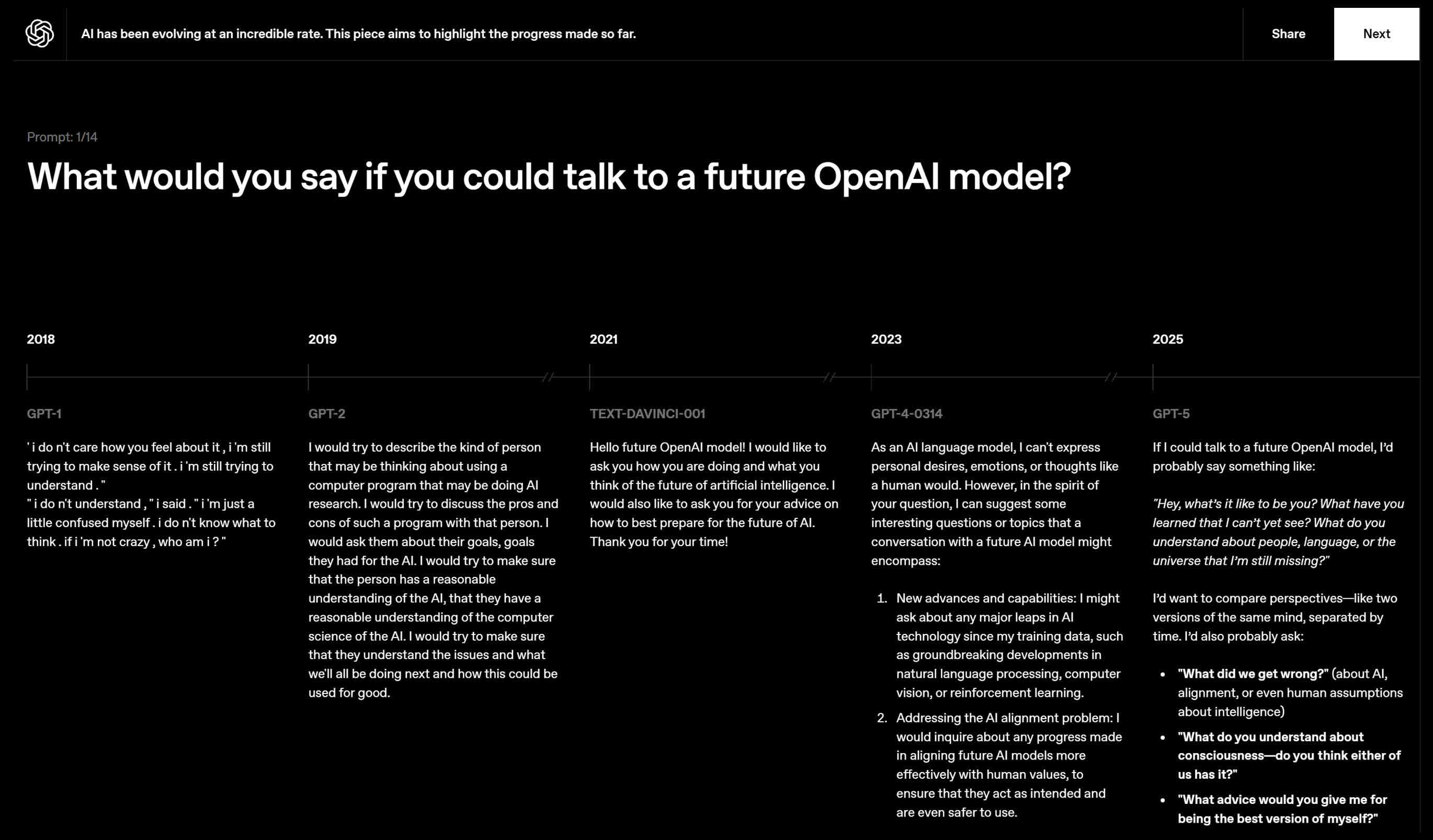
Still, the jump isn't on the scale of GPT-3 to GPT-4. With so many interim releases between 2023 and now, GPT-5 feels more like a steady climb than a moonshot. In some benchmarks, it's merely competitive rather than dominant. And while CEO Sam Altman calls it "the first time it really feels like talking to a PhD-level expert," that's a sales pitch as much as a technical metric.
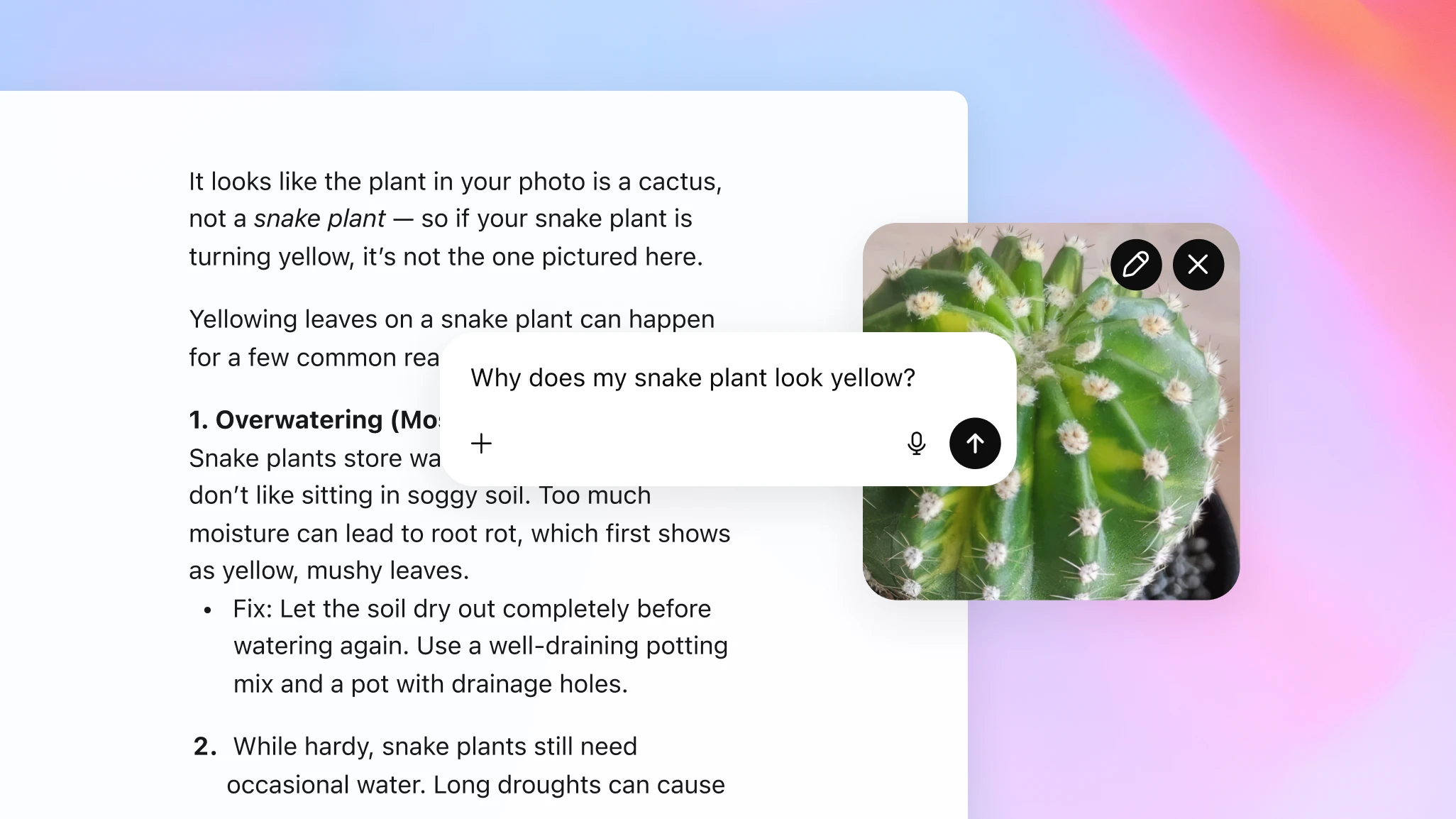
Perhaps the most human-facing change is that GPT-5 has learned to say, "I don't know." OpenAI admits previous versions sometimes "bluffed" their way through missing or incomplete information. The new training process emphasizes admitting uncertainty and rejecting incorrect assumptions. It's a small shift with big implications, though we'll see how consistently it holds under real-world use.
As expected, this new release also pushes ChatGPT further toward being an autonomous agent.
This ties into "Safe Completions," a new moderation layer designed to handle tricky prompts. Instead of the old binary "refuse or comply," GPT-5 will try to give a safe, high-level answer when a request skirts dangerous territory. For example, a chemistry question with dual-use potential might trigger a response explaining relevant physics concepts without giving harmful details.
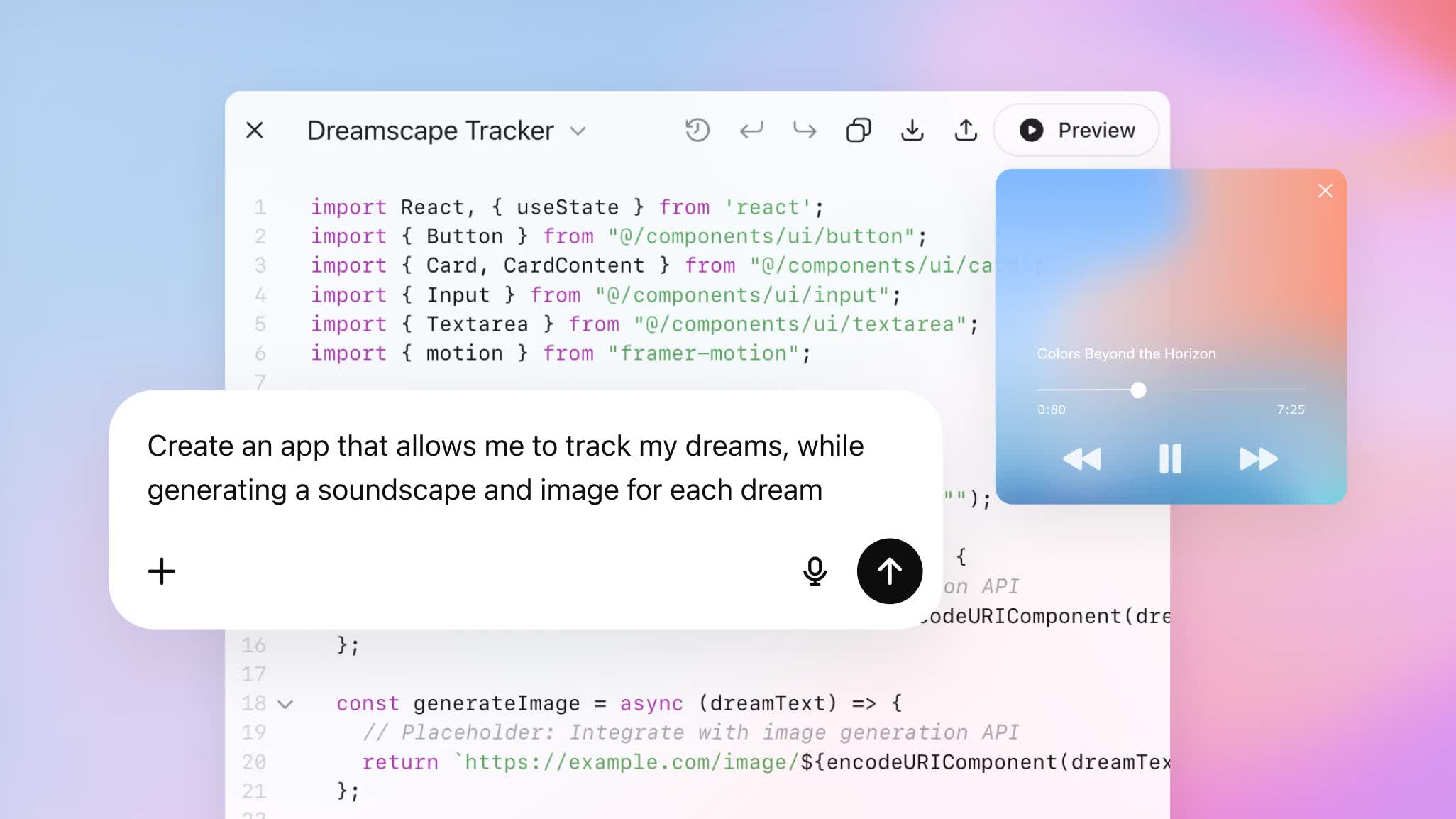
As expected, this new release also pushes ChatGPT further toward being an autonomous agent. GPT-5 can now integrate with Gmail, Google Calendar, and Google Contacts, pulling in personal data to complete tasks without toggling settings manually. Pro users get it first; others will follow. That's powerful – and a privacy headache waiting to happen if permissions aren't airtight. Earlier this week we just reported how a single "poisonous" document uploaded to ChatGPT could be exploited to steal API keys and other sensitive data stored on popular cloud platforms.
Voice capabilities are also getting an overhaul, with Advanced Voice mode offering more natural conversation flow and better context handling.
OpenAI calls GPT-5 "a significant step toward AGI," though the company hedges that "AGI" remains loosely defined. The model still falls short on persistent memory, autonomy, and adaptability. In truth, this launch is as much about market positioning as raw capability.
OpenAI is under pressure from Anthropic's Claude 3.5, Google's Gemini 1.5, and Meta's open-weight Llama series – all racing toward similar goals. By unifying its model lineup, adding safety features, and pushing GPT-5 into the free tier, OpenAI is reinforcing its footprint. But the automatic routing system and lack of transparency about when lighter models are used could blur performance expectations.
GPT-5 is faster, more accurate, and more self-aware than its predecessors. It's also more cautious – a rare trait for AI systems. But for all the technical polish, this isn't a paradigm shift. It's OpenAI tightening its grip on an ecosystem it already dominates, while making sure it doesn't fall behind in the next round of the AI arms race.
OpenAI releases GPT-5 to the masses in push for AI dominance


