
Why it matters: Since 2018, the Trump and Biden administrations have repeatedly delayed tariffs on various printed circuit boards imported from China. Computer component manufacturers can now avoid a 25-percent duty until the end of November, but a new legal challenge could remove or sharply limit these tariffs.
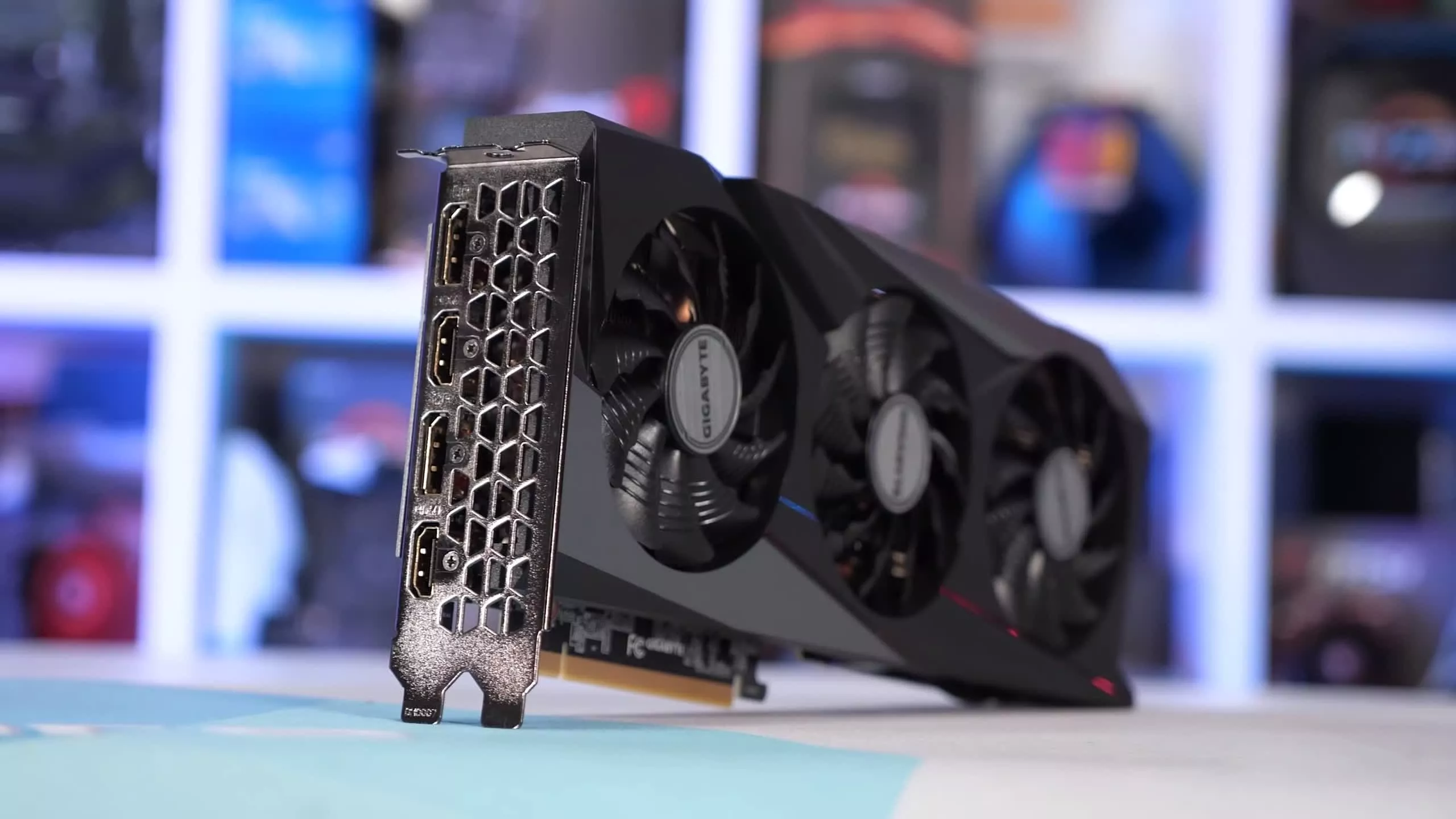
The US Trade Representative's office announced that a 25-percent tariff on graphics cards, motherboards, SSDs, and other PC hardware assembled in China for the US market will not take effect until at least December 1, 2025. However, the future of most of the Trump administration's tariffs is uncertain after a federal appeals court ruled them unconstitutional.
The 90-day extension is the second this year. The USTR had scheduled exemptions on dozens of items from the US's "Section 301" tariffs to expire on June 1, but extended them to August 31. Nothing suggests another delay won't occur if the Trump administration's broader tariff policy remains in effect amid the ongoing court battle.
On Friday, a federal appeals court ruled against the President's extensive use of the International Economic Emergency Powers Act, a key tool behind ongoing trade negotiations. President Trump argued that an economic crisis justified his sweeping tariffs on China, Vietnam, and most other countries. However, the US Court of Appeals for the Federal Circuit upheld a lower court's decision that the President does not have unlimited authority to impose taxes on most US imports.
The case began after claims that the tariffs imposed undue financial burdens on states and small businesses. The administration has appealed the ruling, but the court allowed the tariffs to remain in place while the case proceeds. If the ruling stands, the scope and duration of future duties could shrink dramatically.
Tariffs on countries producing PC components, game consoles, and other electronics have already affected US imports. Laptops, computer accessories, the PlayStation 5, and the original Nintendo Switch recently saw price increases, with more potentially coming.
Despite the exemptions, graphics card prices have remained painfully high in recent years, with new models often selling for up to 150 percent of MSRP. Early signs of stabilization have only just appeared, but the market outlook for the coming years remains uncertain.