TL;DR: NASA reportedly wants to use the popular PC benchmarking tool CapFrameX to monitor the performance of its advanced pilot training simulators. The agency has apparently initiated the approval process required to install commercial applications on hardware owned and operated by the federal government and its agencies.
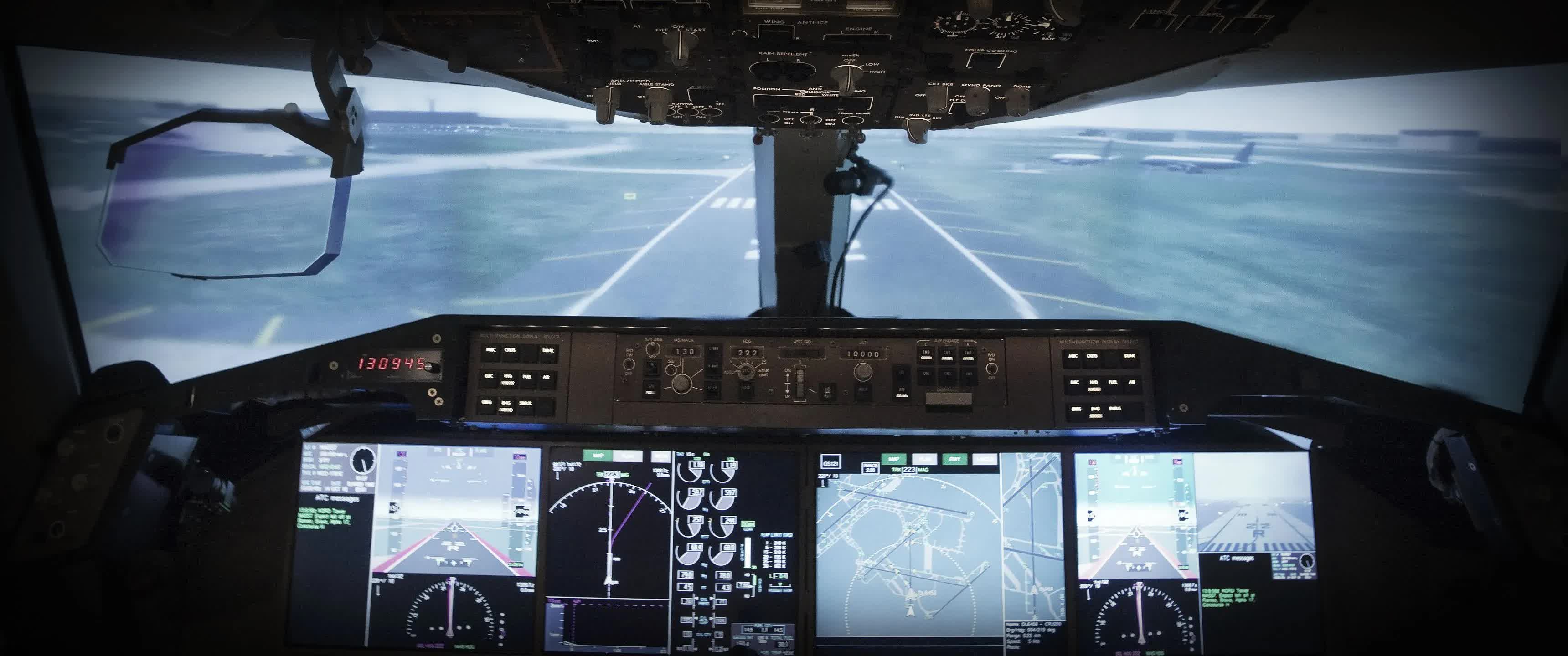
According to a social media post by the official CapFrameX account, the US space agency has "expressed interest" in using the application to asses the FPS performance of its cockpit simulator video systems. In a subsequent post, the developers emphasized that it was NASA – and not them – that initiated the approval process.
NASA has yet to confirm the news, but the agency is known to use a mix of specialized in-house applications and commercial off-the-shelf software in its flight simulators. Two of the most well-known third-party programs used in NASA's simulators are Intel's Wind River Simics for system simulation and MathWorks' MATLAB/Simulink for dynamics modeling.
NASA Langley has expressed interest in using #CapFrameX to assess FPS performance for cockpit simulator video systems and has started the U.S. government software approval process. pic.twitter.com/krOvALYUfv
– CapFrameX (@CapFrameX) January 22, 2026
CapFrameX is a free and open-source (FOSS) performance analysis tool for Windows, used mostly by gamers, reviewers, and enthusiasts to measure system performance. It is based on Intel's open-source PresentMon software, which helps analyze the performance of graphics cards and applications through real-time charts, graphs, and histograms.
NASA builds custom flight simulators to train its pilots to fly advanced jets and spacecraft. These simulators are developed in-house from scratch, with a strong focus on replicating original components found in real cockpits.
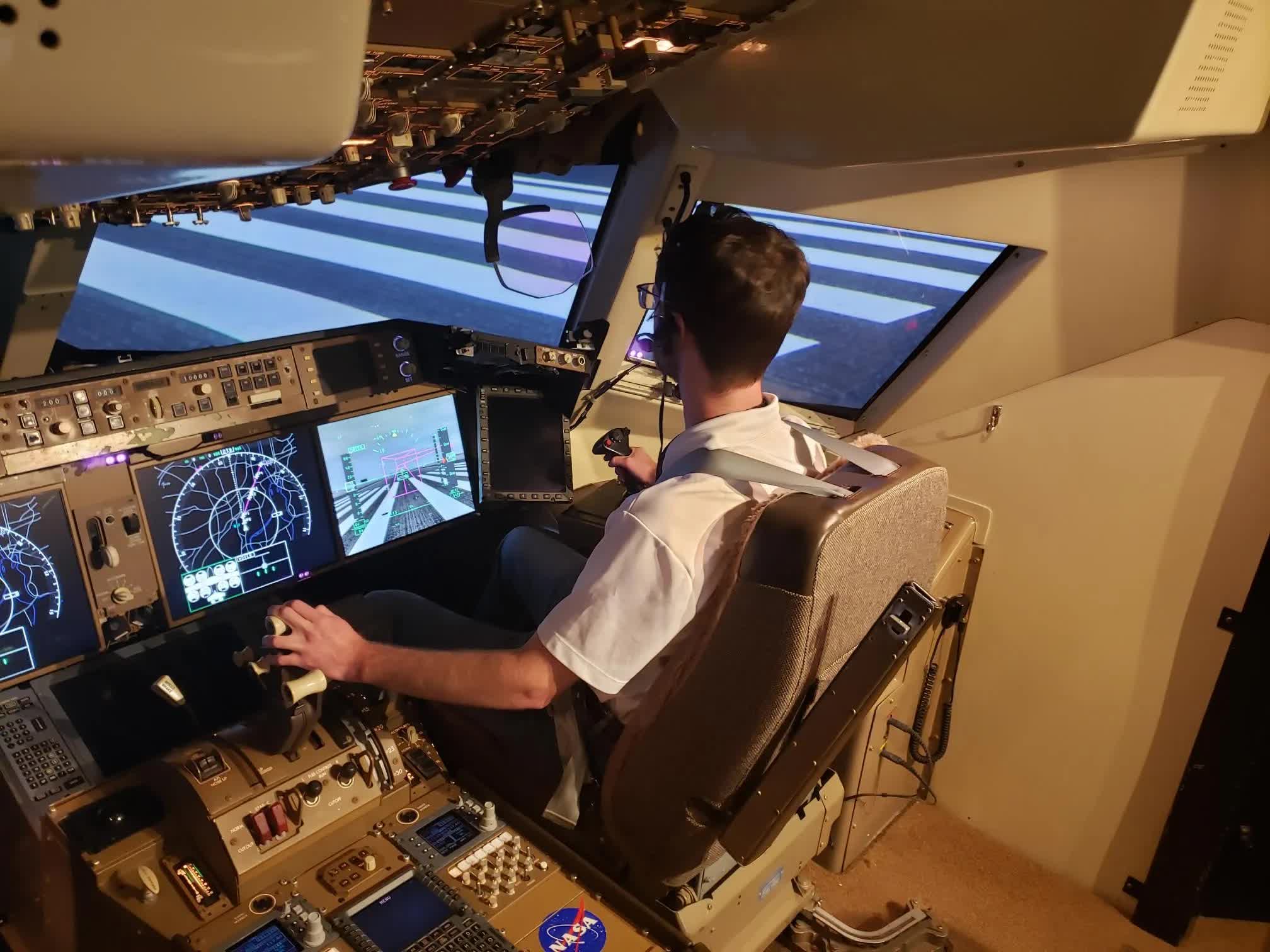
The agency says it takes great care to ensure that the controls in its simulators are identical to the real thing, including the throttle, landing gear, and other key systems.
These identical designs help trainee pilots build muscle memory as they rack up thousands of hours in simulated flights. Once they graduate to flying real jets, the simulator experience enables them to operate the controls more efficiently without taking their eyes off the instrument cluster and gauges.
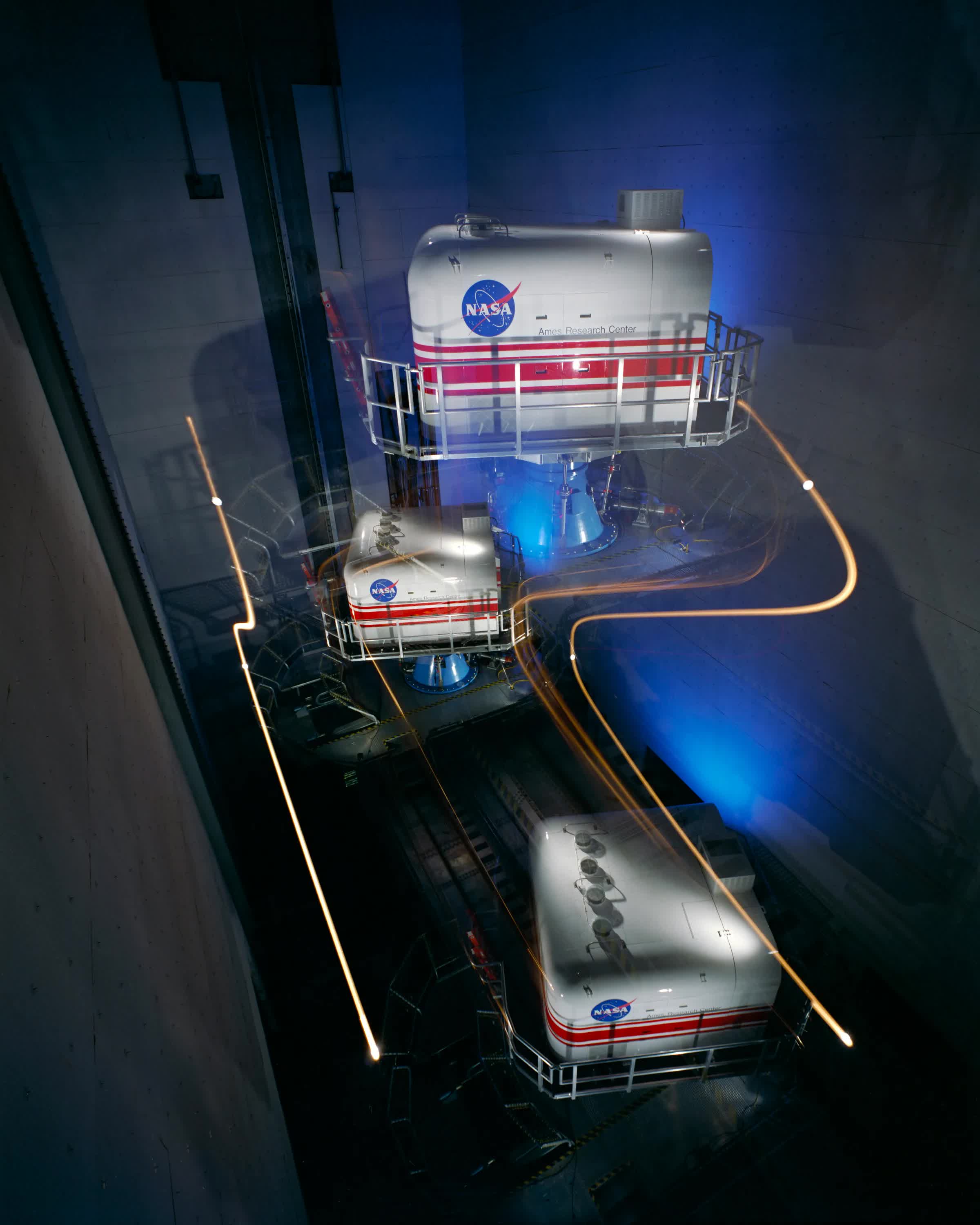
As noted by Tom's Hardware, the simulators used by NASA are very different from those typically used by gamers to play Microsoft Flight Simulator or X-Plane. The agency's custom setups deliver extreme fidelity and full-motion capabilities that mimic real flight and space missions, while home simulators are designed mainly for entertainment rather than training actual pilots.