
Editor's take: AMD and Meta have joined the growing circus of reciprocal deals Big Tech is using to bootstrap what it hopes will become a self-sustaining "AI economy." Under a new multi-year agreement, the two companies will closely align their technology roadmaps – though AMD's role comes with strings attached, including hitting specific performance targets in the stock market.
AMD and Meta have signed what they describe as a "strategic" partnership aimed at expanding large-scale computing capacity and continuing to bankroll Mark Zuckerberg's long-running AGI ambitions. Central to the deal is a massive 6 gigawatts of total GPU capacity, which AMD will deploy in custom-built data center racks for Meta. In return, Meta has committed to spending $60 billion on AMD chips while simultaneously acquiring a 10 percent stake in the chipmaker.
AMD says the "definitive" agreement deepens its existing collaboration with Meta, with both companies aligning CPU, GPU, and software milestones across their future roadmaps. Meta expects the first gigawatt of AMD GPUs to begin shipping in the second half of 2026, with the remainder of the accelerator deployment rolling out over the following four years.
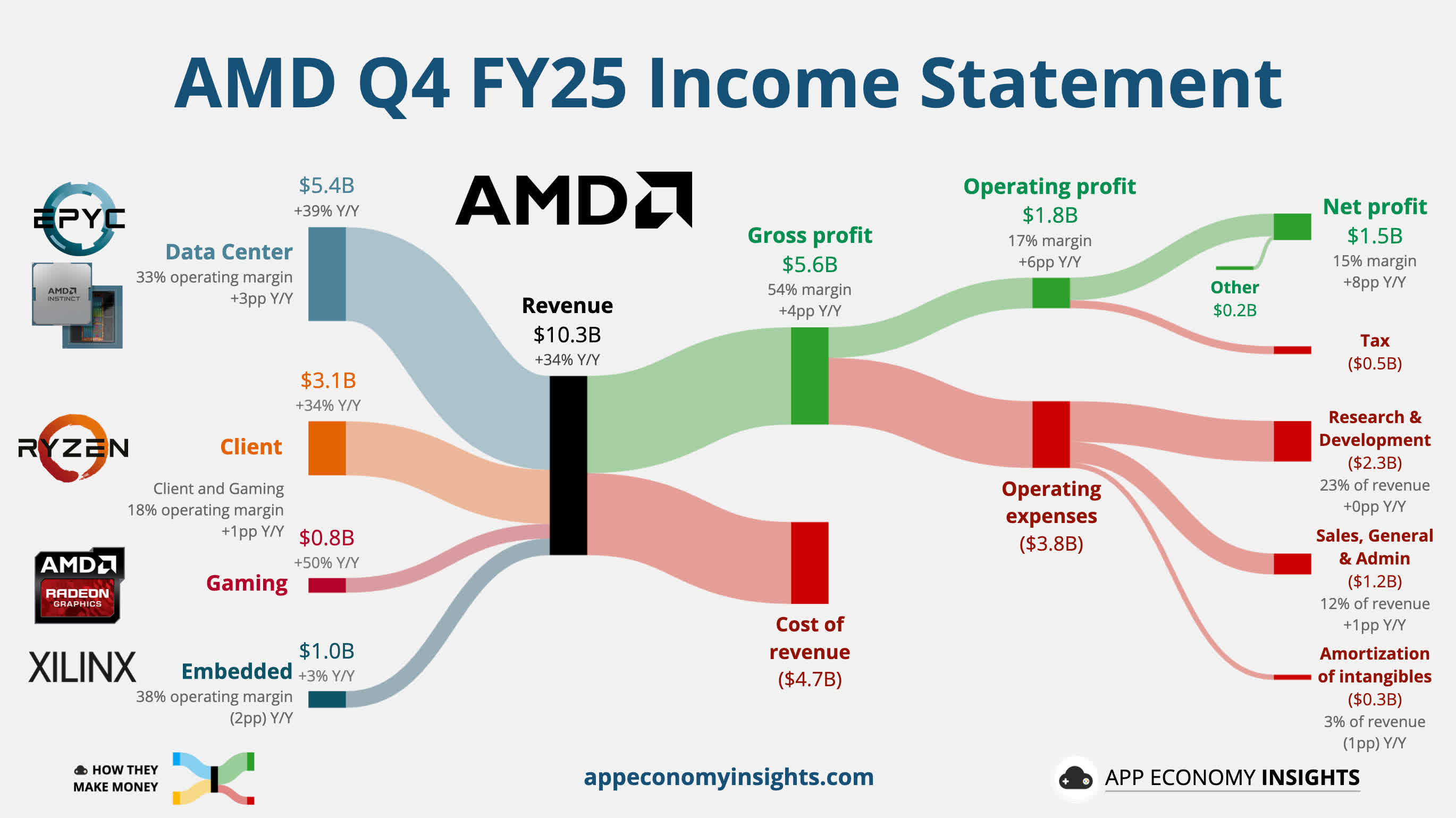
On the hardware side, AMD will deliver a custom GPU design based on its Instinct MI450 architecture, paired with 6th-generation Epyc "Venice" and "Verano" CPUs. The components will be installed in Helios racks, a custom platform AMD co-developed with Meta. Meta plans to use the new infrastructure to train and deploy increasingly large AI models and inference workloads.
The financial side of the deal comes with its own caveats. Meta is set to purchase 160 million shares of AMD common stock, but the investment will only be finalized if AMD meets its shipment roadmap. Additional conditions include AMD's share price reaching as high as $600, along with other technical and commercial requirements that haven't been disclosed.

AMD CFO Jean Hu described the performance-based structure as one that "tightly aligns AMD and Meta around execution and long-term value creation." Zuckerberg echoed that sentiment, calling the agreement "an important step for Meta as we diversify our compute," and adding that he expects AMD to remain a key partner for years to come.
For Meta, the strategy is also about avoiding lock-in: buying AI chips and CPUs from multiple vendors while developing in-house accelerators in parallel.
This isn't Meta's only GPU bet. The company already has a partnership with Nvidia, though that arrangement doesn't involve equity purchases. AMD, meanwhile, struck a similar stock-linked deal with OpenAI in 2025, with the AI startup now expected to acquire a 10 percent stake in the chipmaker.
Nvidia CEO Jensen Huang has previously said such arrangements surprised him, an observation that underscores the stark gap in market valuation between Nvidia and its closest rivals.
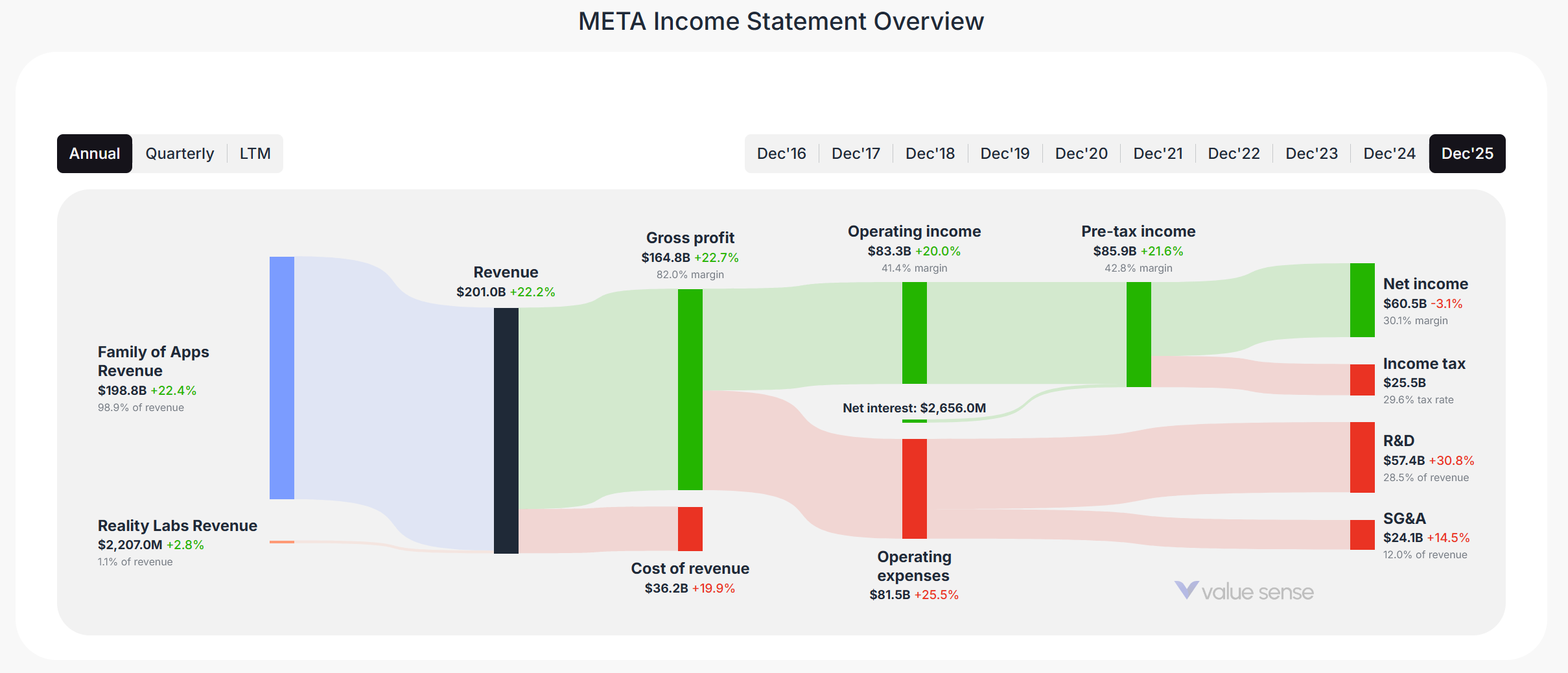
AMD CEO Lisa Su framed Meta's move as a significant vote of confidence. For Meta, the strategy is also about avoiding lock-in: buying AI chips and CPUs from multiple vendors while developing in-house accelerators in parallel.
AMD, Meta, Nvidia, and other Big Tech players now find themselves at the same table, circulating capital, compute, and equity in a feedback loop that critics argue is ethically murky – and potentially destined to end with a very loud popping sound if the AI bubble ever bursts.