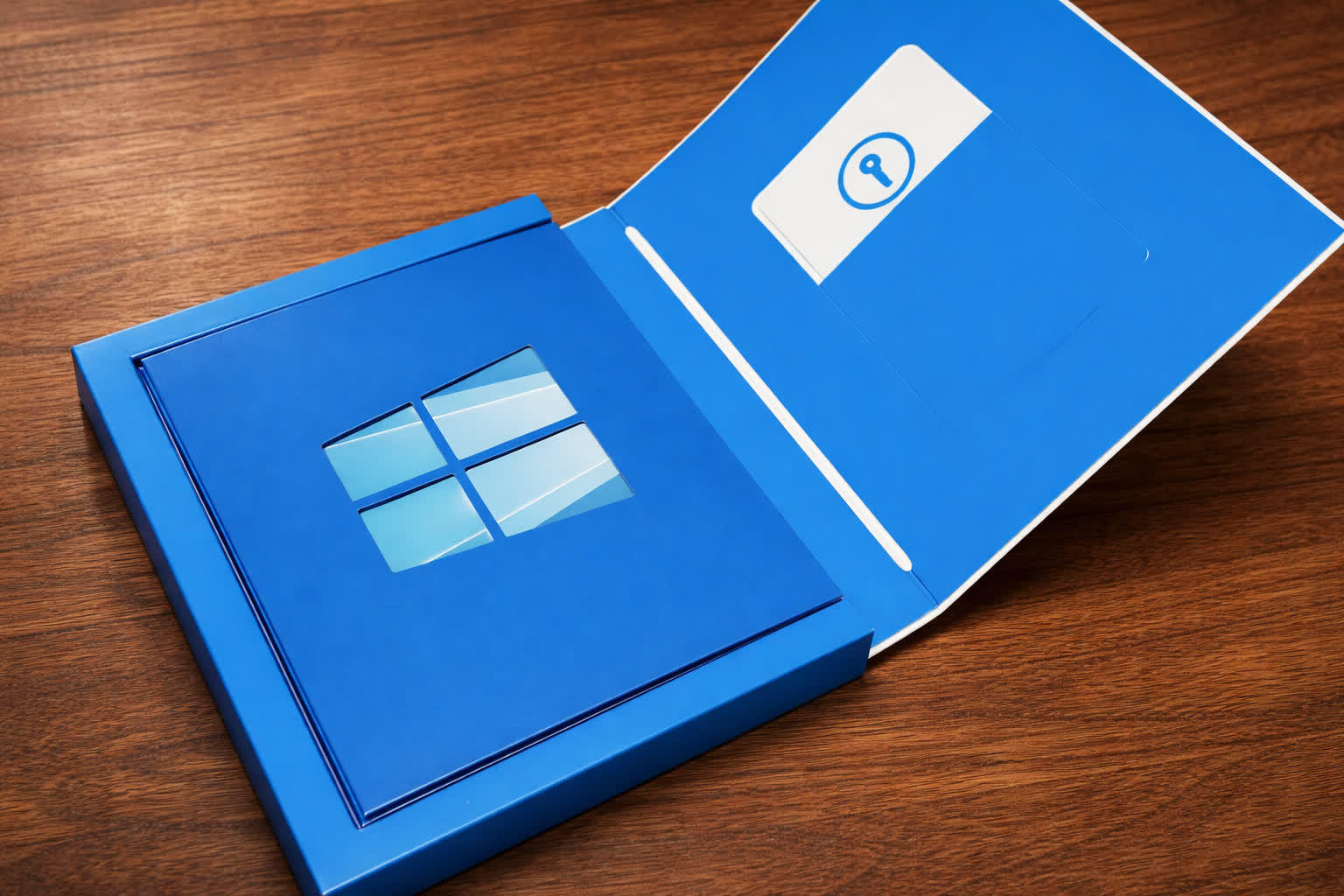
In brief: If you've ever stumbled across "legit" Windows and Office keys being sold in bulk for suspiciously low prices, federal prosecutors just provided a pretty good look at how that gray-market pipeline works. They've also shown why those cheap listings on marketplaces and key sites can come with real legal and practical consequences.
The US Department of Justice says 52-year-old Heidi Richards of Brandon, Florida, who ran Trinity Software Distribution, has been sentenced to 22 months in federal prison after a jury found her guilty of conspiring to traffic in illicit Microsoft Certificates of Authenticity (COA) labels. The court also ordered a $50,000 fine.
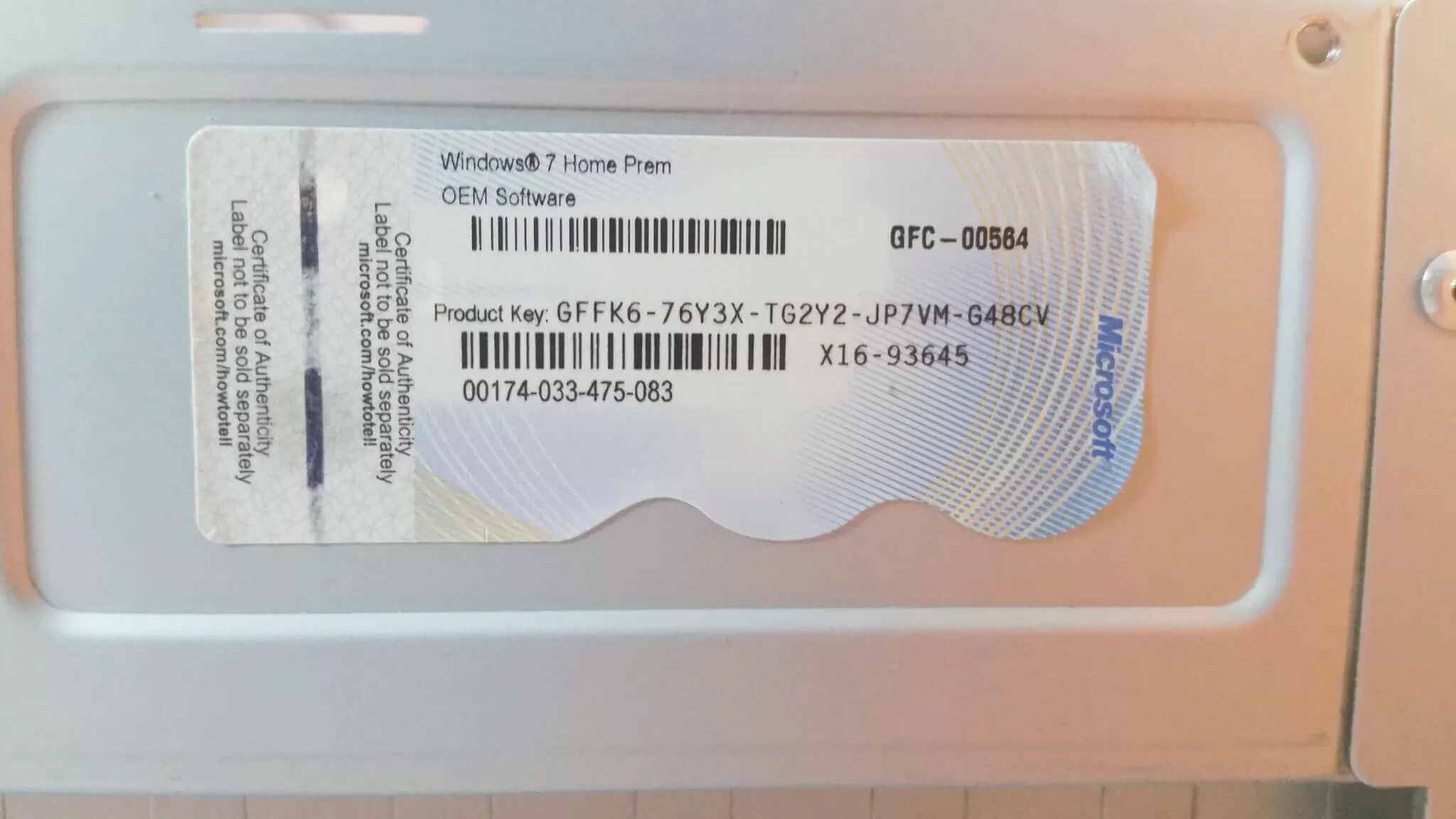
COA labels are those small "genuine" stickers meant to accompany licensed software and, in many cases, the hardware it ships with.
The DOJ notes they're not supposed to be sold as standalone items; federal law prohibits trafficking COAs separated from the software programs they were intended to accompany, and the labels "hold no independent commercial value."
The black market doesn't care about that sort of thing, of course, because COAs still carry product key codes that can activate Windows or Office.
Richards and accomplices paid $5 million to purchase tens of thousands of genuine Windows 10 and Microsoft Office COA labels from a Texas-based supplier between July 2018 and January 2023.
Rather than distributing them as required, prosecutors said Richards had employees manually harvest the activation codes and transcribe them into Excel spreadsheets. Those keys were then sold in bulk to customers worldwide. The haul included keys for Windows 10 Home/Pro and multiple Office editions, including 2019, 2021, Home, and Student.
While COAs aren't meant to be separated, they're attractive targets because they can be monetized even without the original package.
The Register notes that since 2016, product keys on COAs have been concealed under scratch-off material to make casual key harvesting harder. And as software distribution keeps shifting online, Office activation has increasingly moved to digital flows tied to a Microsoft account, reducing the value of physical stickers – at least in theory.
The case is a reminder that a "genuine" sticker isn't the same thing as a legitimate license – especially when it's been peeled off the thing it was supposed to certify.
Editor's note: As mentioned in the comments, the TechSpot Store offers discounted licenses for both Windows and Microsoft Office. Our offerings are Microsoft sanctioned and go through an official distributor.