
Connecting the dots: Will Oracle be the first major company to falter amid the looming AI bubble? Analysts are scrambling to interpret what is really happening at the cloud giant, as co-founder Larry Ellison emphasizes that AI coding tools are actually strengthening Oracle's SaaS business.
Despite operating in a different league than traditional Big Tech giants, Oracle has heavily invested in the AI-driven future of computing and cloud services. The Austin-based company has committed billions to build massive data centers, but recent rumors suggest that this ambitious strategy could be at risk, signaling potential trouble rather than a new golden era for the enterprise SaaS leader.
According to unnamed sources familiar with the matter, OpenAI has reportedly decided to halt its planned expansion of the Stargate data center in Abilene, Texas. The AI startup had partnered with Oracle, which is still investing heavily in building the facility and installing hardware. Initial plans called for even larger and more powerful centers to support what was described as the "unlimited" demand for chatbot workloads.
Credit: App Economy Insights
The sources claim that OpenAI's decision stems from the Abilene site's reliance on Blackwell-based AI accelerators. Nvidia recently introduced the Vera Rubin architecture, which can allegedly train models up to five times faster and reduce inference costs by a factor of 10. OpenAI is now expected to secure access to Vera Rubin accelerators, leaving Oracle tied to a slower Blackwell-based facility.
This shift could create a major challenge for Oracle, as OpenAI seeks higher performance at lower costs, potentially threatening the company's long-term investments in AI infrastructure. For a debt-laden database giant, the timing could not be more critical.
The market has long questioned the sustainability of Oracle's AI spending. The company has reportedly committed $100 billion to build and expand its new hyperscale infrastructure, much of it financed through debt. Unlike Google, Amazon, or Microsoft, Oracle lacks similarly massive revenue streams to fund what some critics call the AI data center "fantasy."
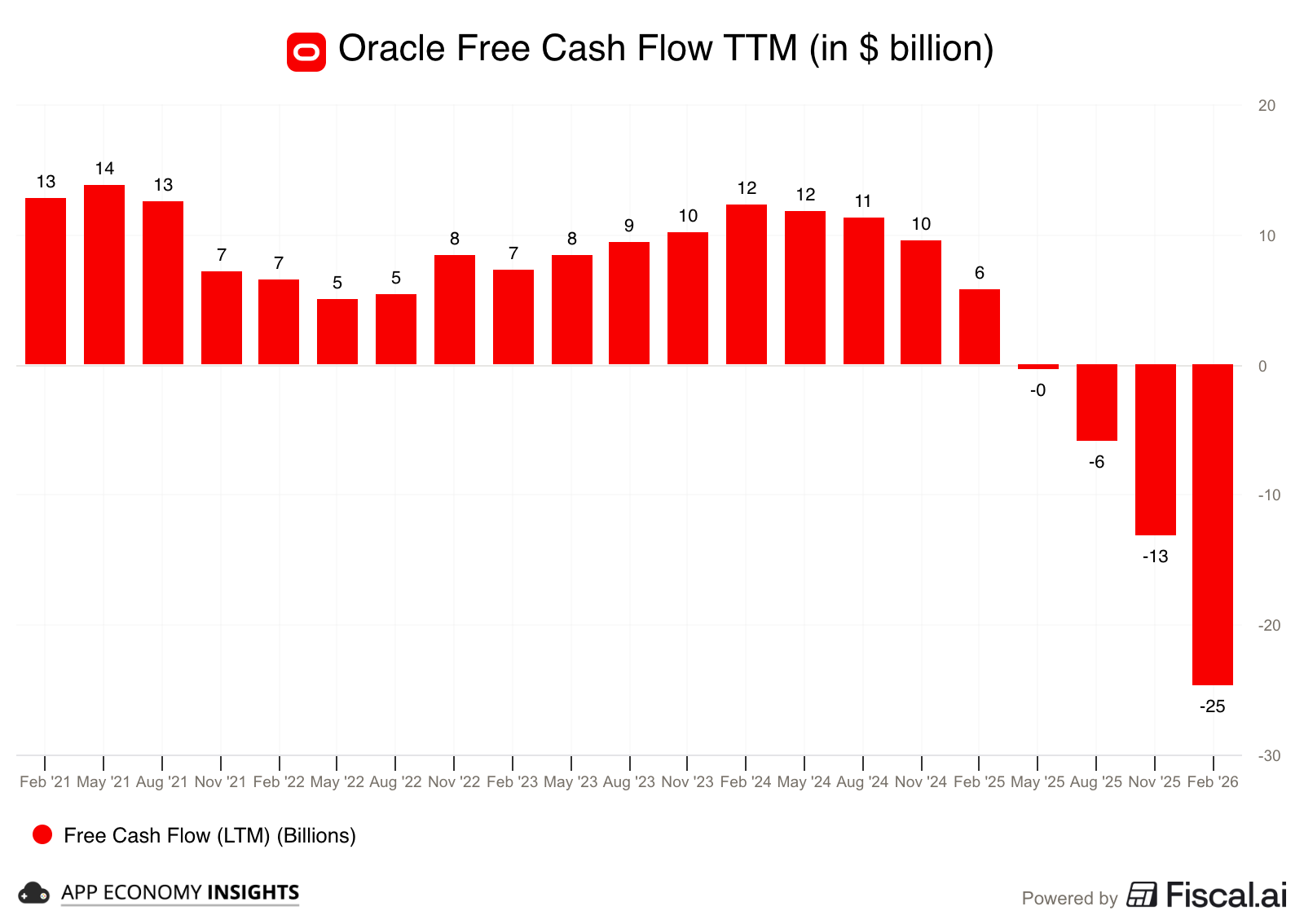
Oracle's cash flow has turned negative, as the company has already spent more than it has earned from its enterprise-focused business. Sources say the company is also planning to lay off thousands of employees, accelerating its transformation from a traditional software licensing firm into a cloud infrastructure provider for large-scale AI operations.
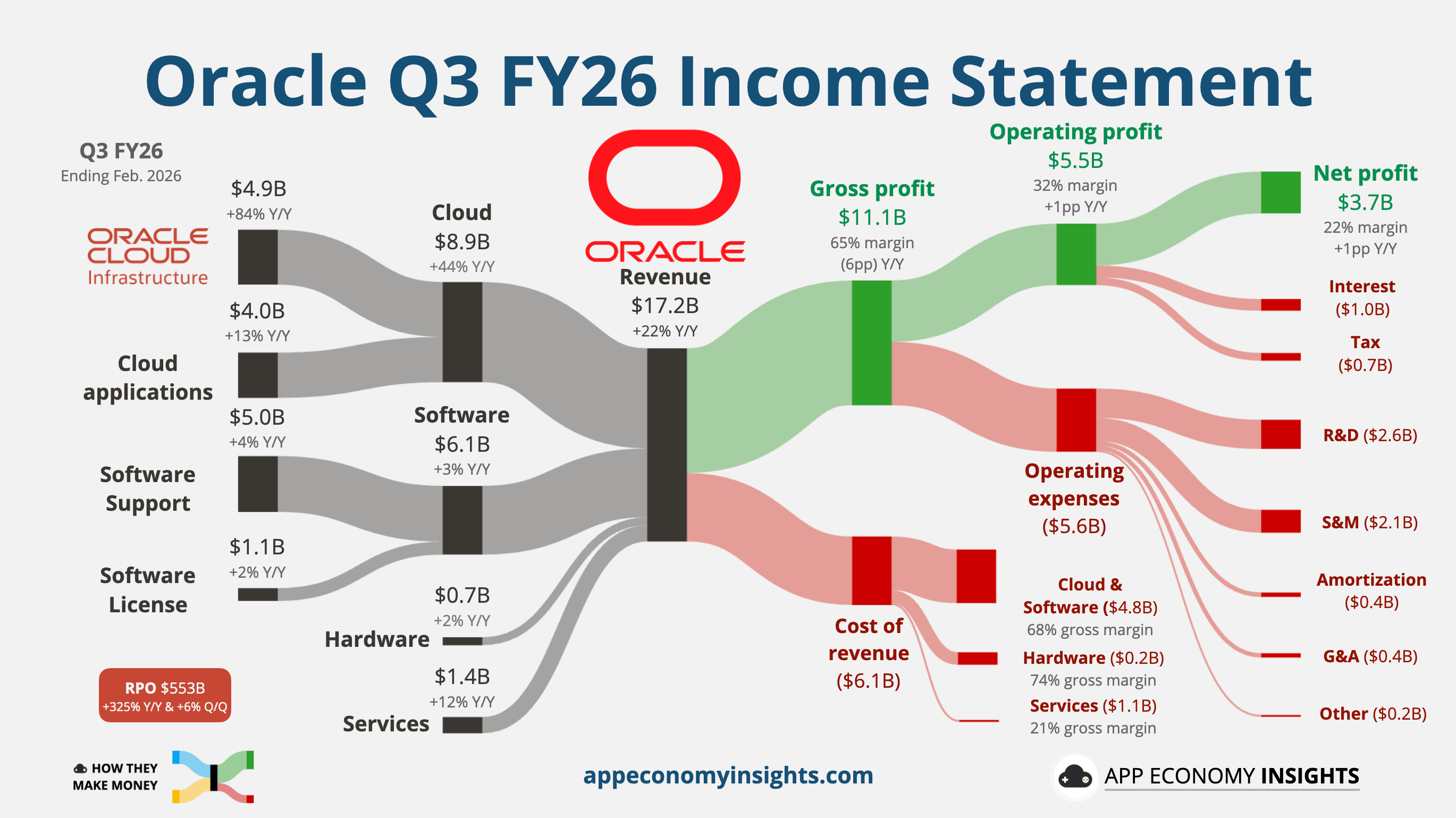
Oracle claims that AI technologies and "vibe coding" tools are making development teams smaller, more agile, and more productive. The company highlighted this efficiency while reporting strong quarterly results that exceeded Wall Street expectations. Overall revenue increased 22% in the third quarter, with cloud revenues up 44% year-over-year.
The company now expects to close the fiscal year with $90 billion in revenue, above analysts' forecasts of $86.6 billion. Co-founder Larry Ellison emphasized that vibe coding is helping Oracle build a complete ecosystem from scratch, suggesting that fears of a "SaaS apocalypse" will not impact the company.
Yet despite the upbeat statements, Oracle's negative free cash flow for the past 12 months reached $13.18 billion, indicating that the Austin-based giant is still burning cash even as it touts its AI-driven efficiencies.