
In a nutshell: Forcing users to download Windows updates has long been one of Microsoft's most controversial policies. While keeping an operating system up to date is one of the most important security practices, users often find their devices updating at inconvenient times. A recent beta update aims to address this issue.
A new Windows update, currently rolling out to Dev Channel and Experimental Channel Insiders, overhauls how users manage system updates. Windows Update now allows indefinite postponements, the option to skip updates during initial setup, and the ability to reboot without immediately installing updates.
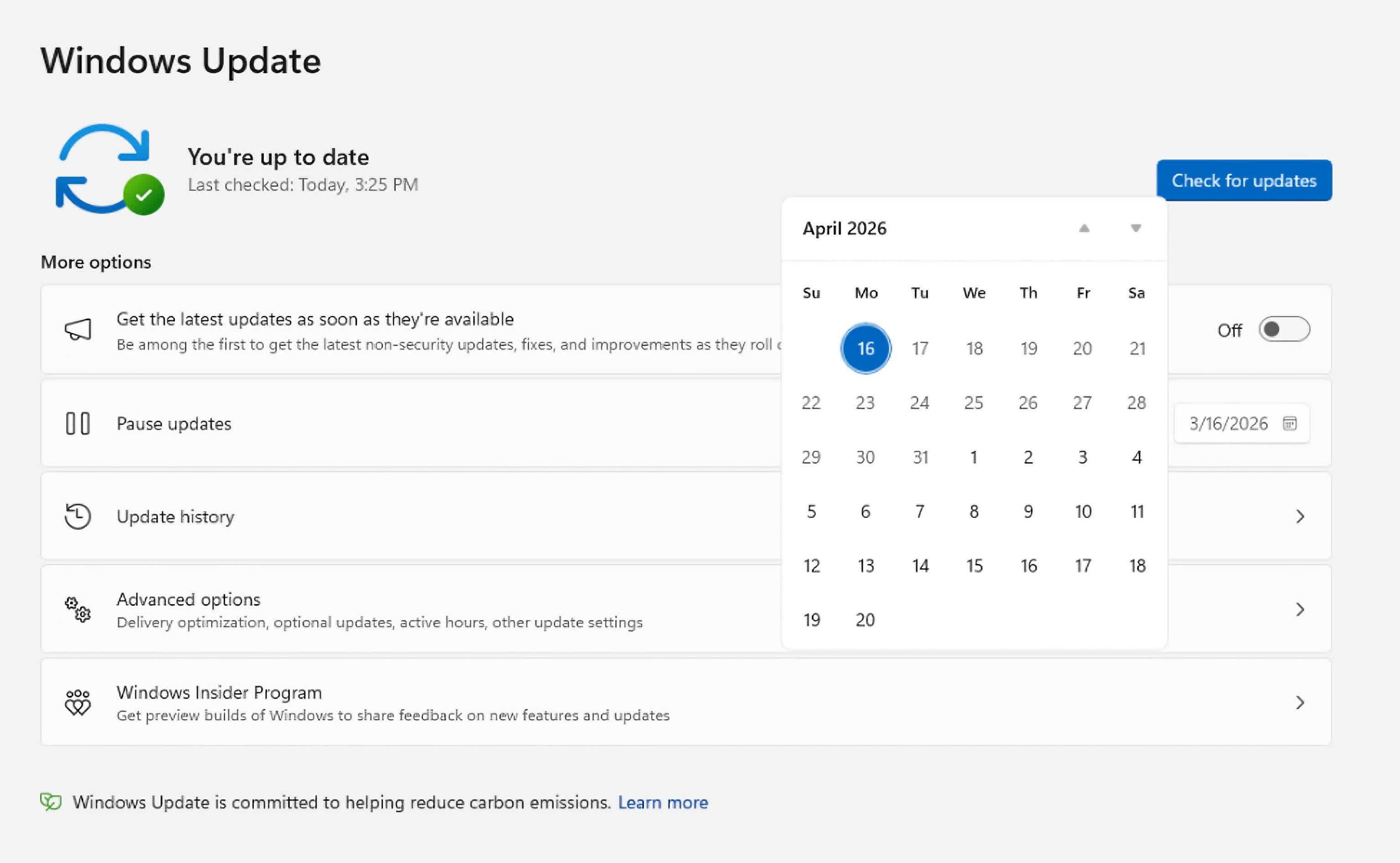
Previously, Windows users could delay updates by a few days or pause them for up to five weeks using a dropdown menu. The new system introduces a calendar interface that allows updates to be paused for up to 35 days at a time. Once that period ends, users can defer the update for another 35 days repeatedly, with no strict limit. Although Microsoft still intends for updates to be installed eventually, users now have more control over when they apply them and can wait until they are ready.
Additionally, updates can now be skipped during the out-of-the-box experience, allowing users to reach the desktop as quickly as possible when setting up a new device. To reduce disruptions, driver, .NET, and firmware updates will be bundled with monthly quality updates, meaning users who install updates promptly may only need to reboot once per month.
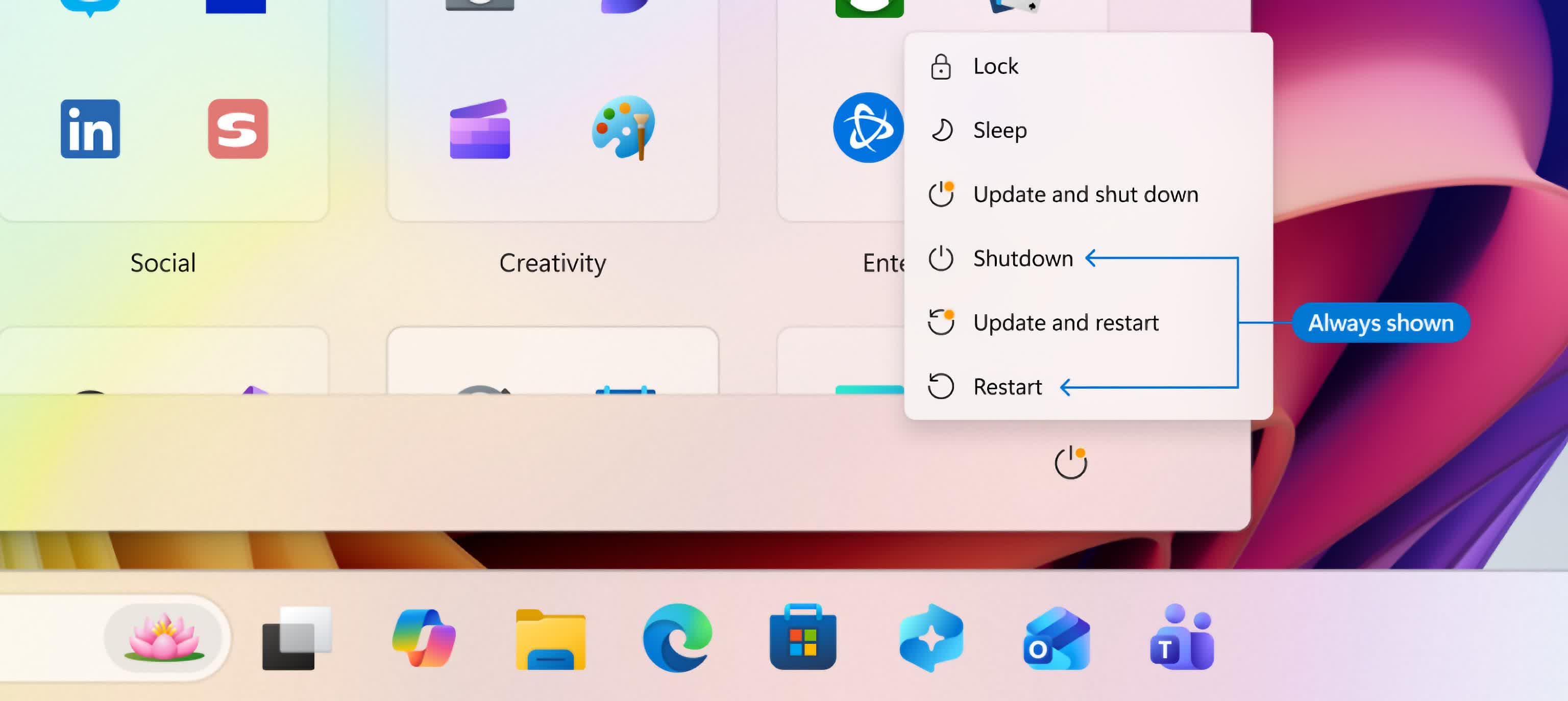
Furthermore, restarting or shutting down after installing updates will no longer automatically trigger their installation. When selecting the power button in the Start menu, users will now see two new options to shut down or restart normally, alongside options that apply pending updates. Windows will also attempt to restore closed apps more quickly after a standard reboot.
Recent Windows updates have been particularly problematic for Microsoft and its users. After a January update prevented some systems from rebooting properly, the company issued an out-of-band hotfix that itself required an emergency patch due to issues affecting certain applications. Meanwhile, a separate bug forced some users into recovery loops. Last month, Microsoft also paused the rollout of another update after it was installed incorrectly on a number of systems.
In another move likely to frustrate users, Windows 11 will also force-upgrade eligible devices to version 25H2 later this year. Microsoft is reportedly using machine learning models to determine which 24H2 systems are "ready," and when they will receive the mandatory update.
In another move likely to frustrate users, Windows 11 will also force-upgrade eligible devices to version 25H2 later this year. Microsoft is reportedly using machine learning models to determine which 24H2 systems are "ready," and when they will receive the mandatory update.