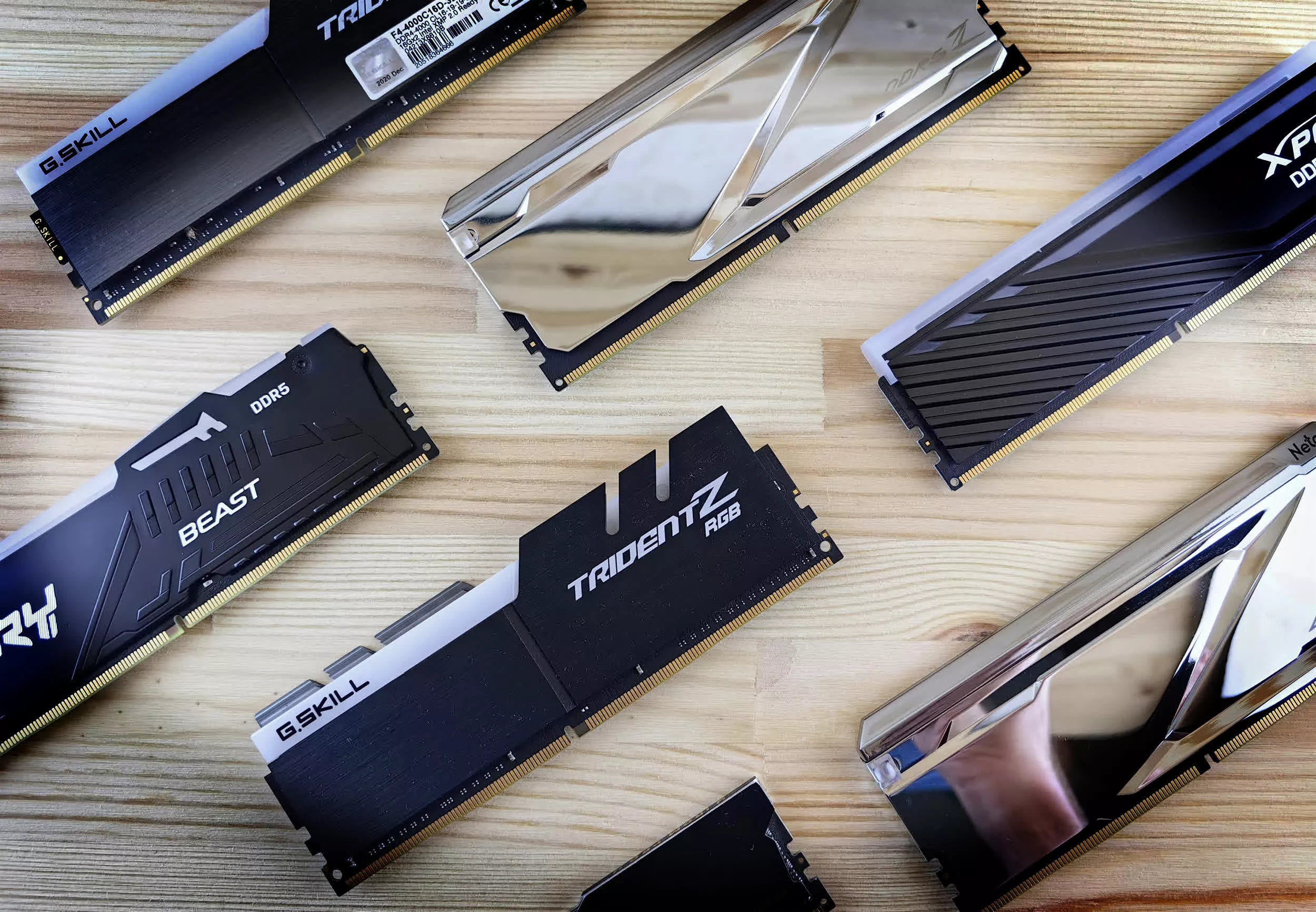
TL;DR: The ongoing AI-driven memory squeeze is showing no signs of leveling. Translation: manufacturers are going to have to contend with component headaches for a while longer and consumers shouldn't expect any relief at checkout anytime soon.
You've no doubt heard the short version of this story time and again: AI startups are gobbling up all of the memory that manufacturers can produce, leaving traditional electronics firms to fight for the remaining scraps. In all situations, that means heavily inflated prices and for some near the bottom of the stack, a glaring lack of inventory.
Michael Brown, a senior research strategist at Pepperstone Group Ltd., said it is becoming increasingly obvious that the crunch is not only worse than feared but is becoming more prolonged, too. Brown added that some sources close to the issue now believe it could stretch to 2030 or perhaps beyond.
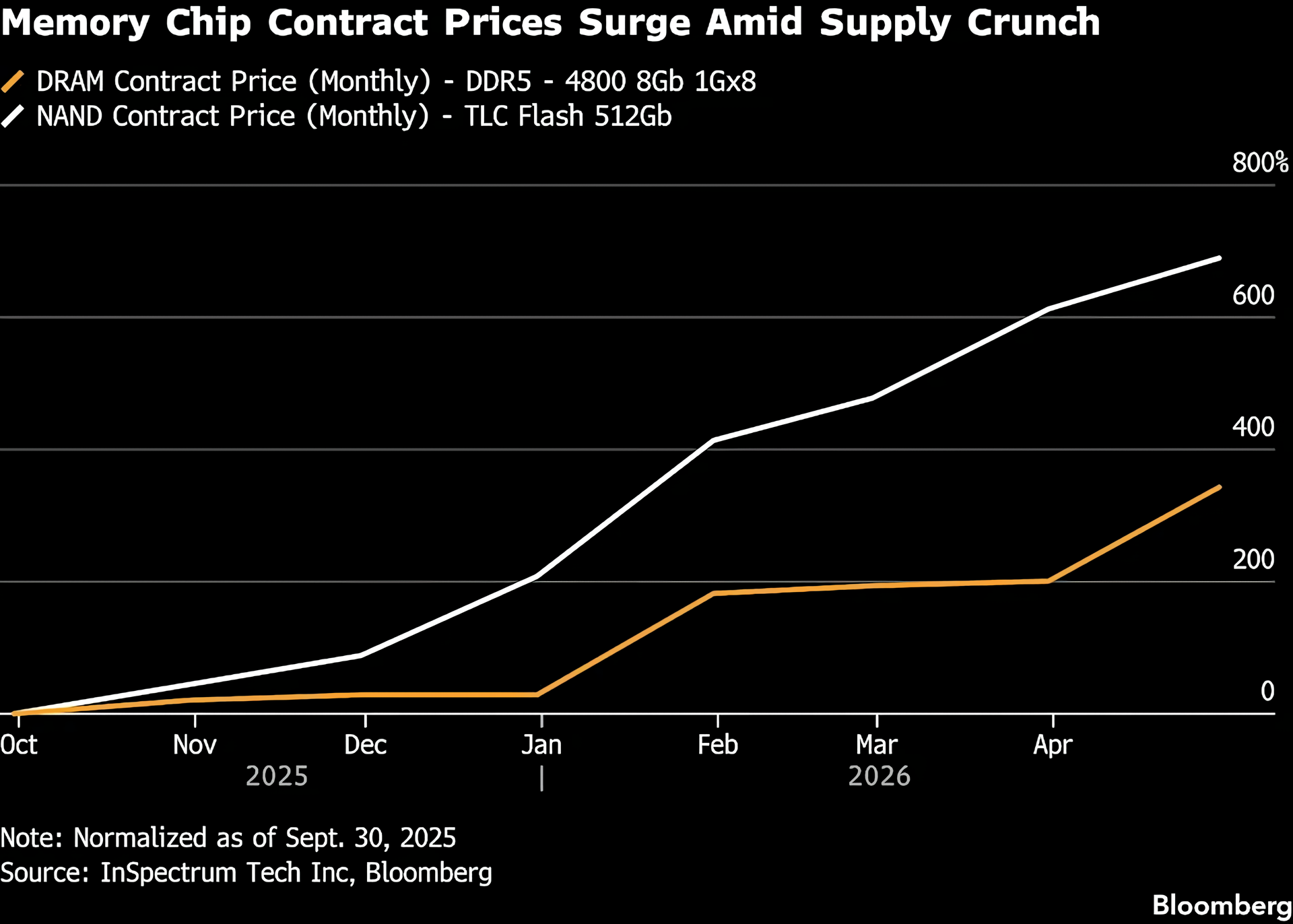
According to Bloomberg, contract prices for NAND chips have shot up more than 600% since September 2025, and prices for DRAM contracts are up nearly 400%.
PMorgan Chase & Co. strategists said in a note published Sunday that pricing upside is expected to persist as AI-led demand continues to dominate the narrative.
The impact is all around us, and is extreme for all parties involved. Memory makers, investors, and employees are singing all the way to the bank thanks to record demand pushing profits to new heights. Some companies, including Samsung and SK Hynix, are sharing the profits directly with employees via hefty bonuses.
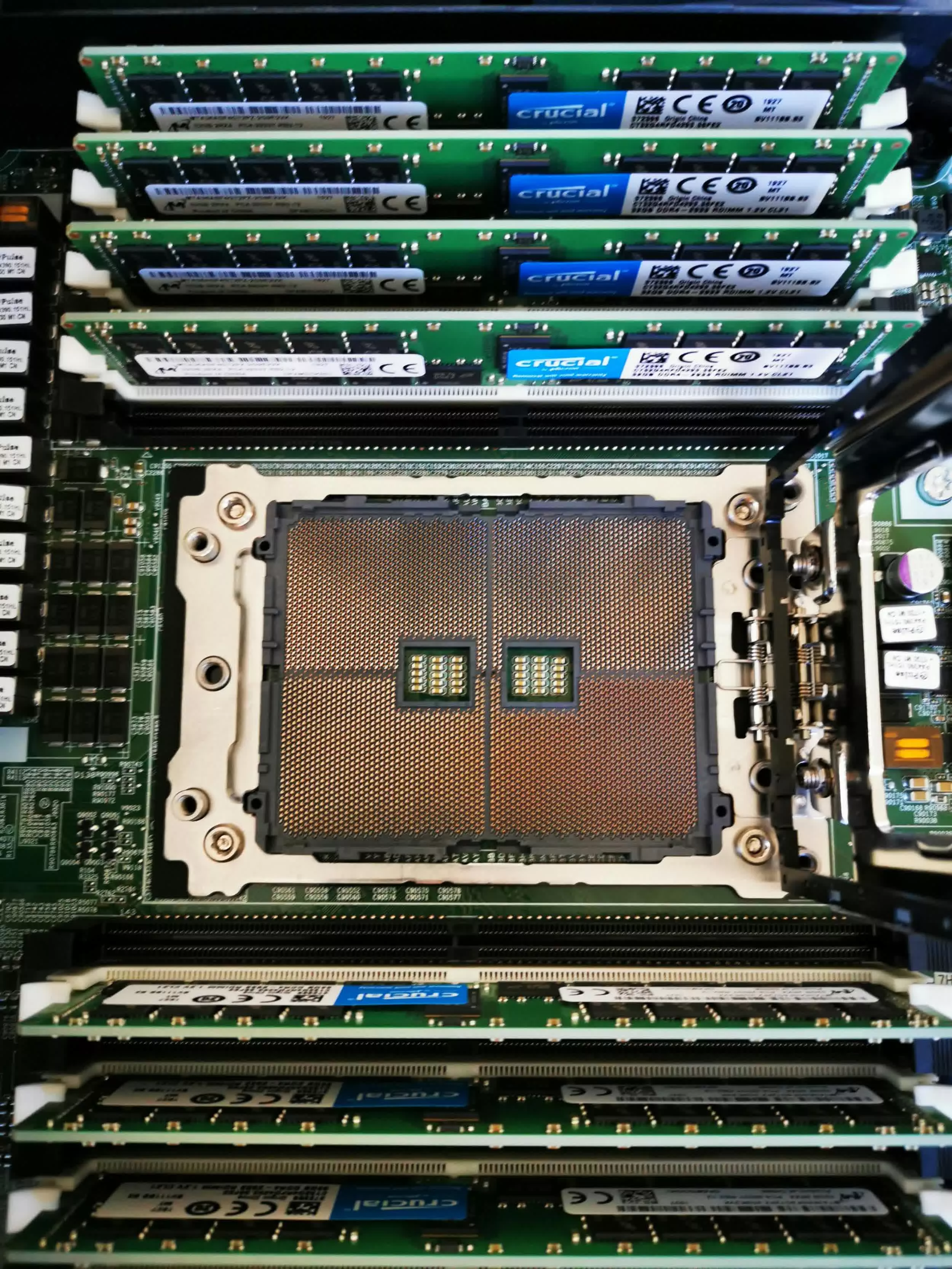
Device makers that rely on memory components for their products, on the other hand, are dealing with inventory shortages and having to pay significantly more for hardware that used to be way cheaper. The situation has forced several companies to raise prices, cope with slimmer margins, and contemplate shipping products with lesser specifications. Others have simply waived the white flag and shut down.
For consumers, higher prices on electronics often leads to longer upgrade cycles and holding off on buying the latest and great, or skipping that new game you've been eyeing because the console needed to play it is now hundreds of dollars more expensive than it was when it first launched.