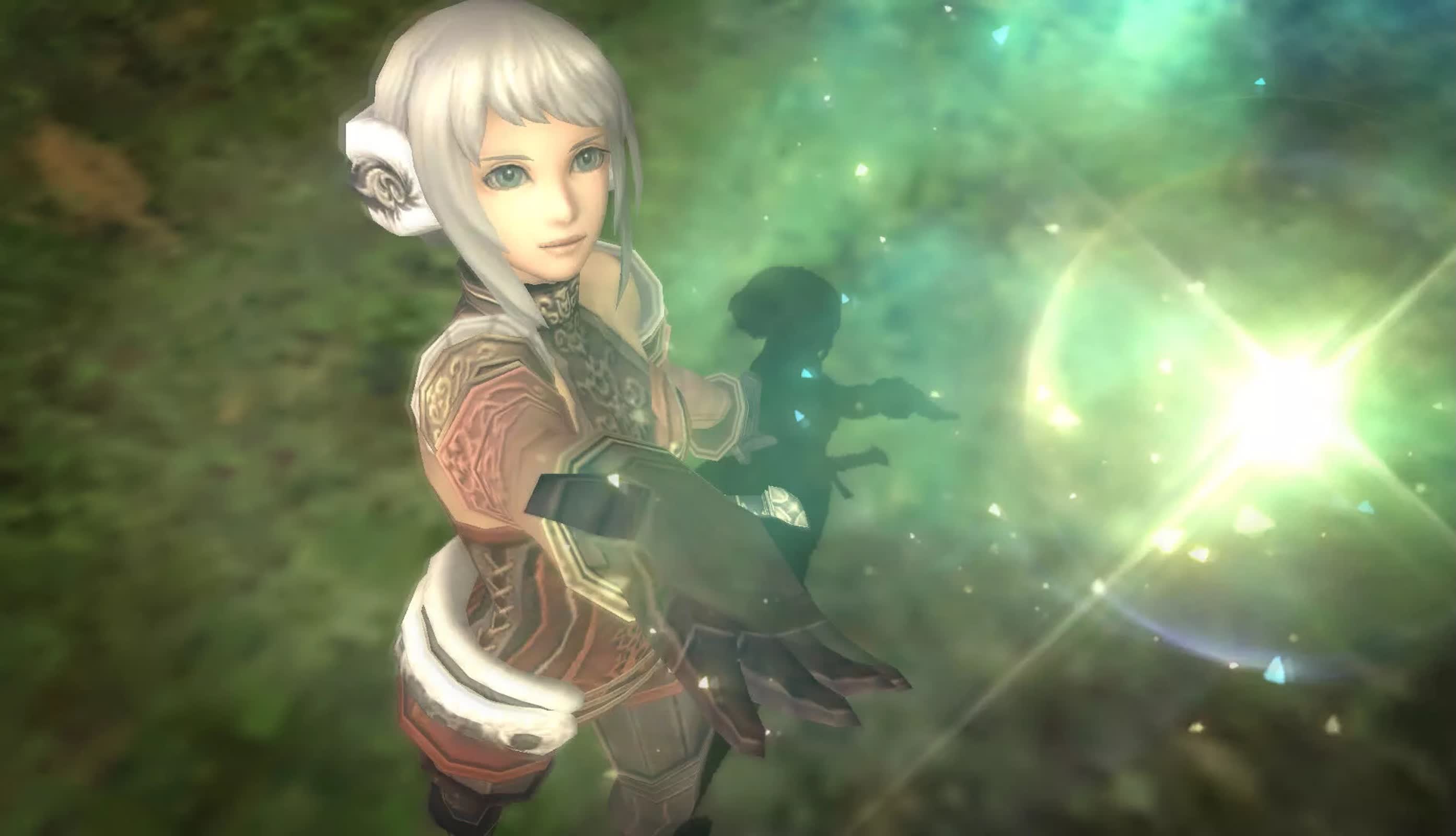
Ripple effect: Final Fantasy XI is having an unlikely moment. The 24-year-old MMO is not just hanging on to a loyal niche, it is sustaining growth. Pushing up against technical limits dating back to the PlayStation 2 era, now Square Enix is looking for ways to open up new parts of its world to a much larger audience.
The unexpected surge comes from outside the game's original ecosystem. The Echoes of Vana'diel crossover with Final Fantasy XIV, a welcome back campaign for lapsed subscribers, and item giveaways like the Mog Bonanza weapon coupon have all pulled players in and, more importantly, kept them there.
Director and producer Yoji Fujito summed up the team's surprise at what happened next: "The sharp player decline we expected never came," he said in a recent Famitsu interview. Rather than dropping off, the population stayed high enough that major servers such as Asura, Bahamut, and Odin have had to restrict new character creation due to overpopulation.
That pressure has exposed just how far the technology behind Final Fantasy XI has been stretched. Square Enix has already moved the game off its aging physical hardware and onto virtualized servers, a shift that has reduced maintenance overhead and improved day-to-day stability.
But Fujito has been clear that this work has mostly kept the current environment running; it has not given the team a blank slate for large-scale expansion. Underneath the virtual layer, core systems still behave very much as they did two decades ago.
One of the starkest examples is the way the game tracks its own world. Internally, areas and instances are managed by IDs, and after years of additions, that ID space is close to full. That means the team cannot simply bolt on a completely new zone using the same techniques it relied on in the 2000s.
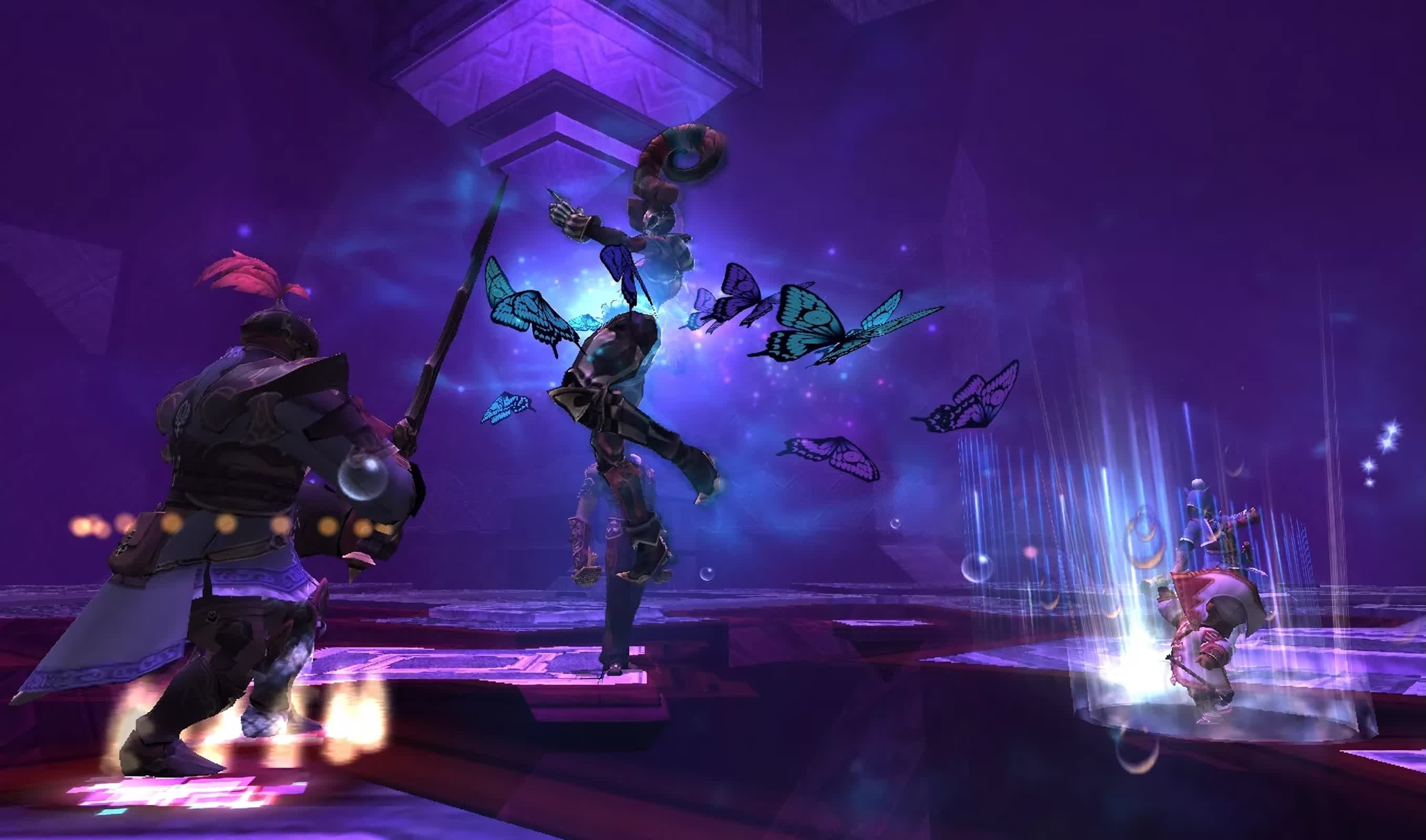
Fujito has explained that engineers are now combing through the game's data and management systems to free up ID slots and reorganize assets. If they can create enough room, he believes it may be possible to greenlight "some sort of project" that would introduce a new area and story arc, effectively extending Vana'diel's map in ways that have not been possible for years.
Engineers are also working on graphics resource management middleware. The goal is to modernize the way the game handles visual assets so the team can once again build new cutscenes and other story-driven content.
Final Fantasy XI has not seen a new episodic story since The Voracious Resurgence, and part of the delay is simply staffing: the writers and designers suited to that work are currently tied up on other Square Enix projects. Fujito has said the plan is to bring them back once those commitments end, framing the current phase as groundwork for future development rather than a permanent slowdown.
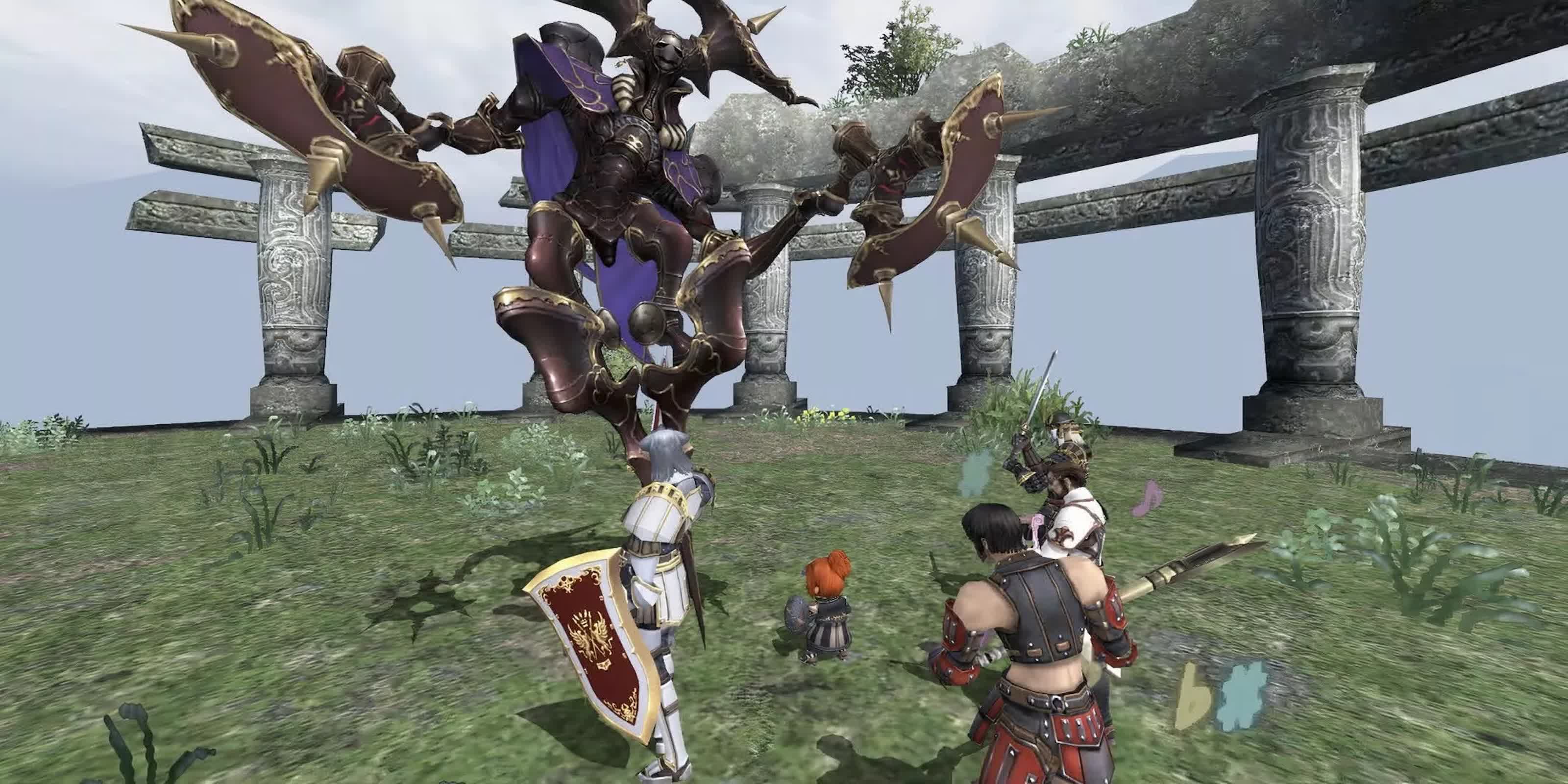
On the gameplay side, the updates of the past year have focused on making long-running systems fit how people play online games today. Limbus, one of the game's legacy high-level activities, has been steadily reworked so that its difficulty and rewards make more sense for modern players.
The influx of players is not coming solely from in-game events or system changes. The Echoes of Vana'diel collaboration has also pulled in streamers, which in turn has exposed the game to audiences who never tried it when a broadband-enabled console was still a novelty.
The team is deliberately tuning the content toward "ease of play for solo players and small groups," with changes to the Faces system that let solo players build AI-controlled parties whose capabilities better track their own level and progress. A final piece of that Limbus overhaul, including the last boss and two new battle tracks from veteran composer Naoshi Mizuta, is scheduled to land in June.
The influx of players is not coming solely from in-game events or system changes. The Echoes of Vana'diel collaboration has also pulled in streamers, which in turn has exposed the game to audiences who never tried it when a broadband-enabled console was still a novelty. Fujito has said he feels they reached people they had not reached before, and those viewers are now turning into active players and informal evangelists.
At the same time, Square Enix is lowering a major barrier to entry. The game's free trial, previously capped at 14 days, is being upgraded so players can keep it for as long as they want.
There are still constraints: the level cap is set at 75 rather than 99 to limit how much high-end content can be accessed for free, and trial accounts face restrictions on gil, trading, chat channels, and expansions, with access limited to the base game.
Even with those limits, an unlimited-duration trial changes the on-ramp for an MMO of this age, making it easier for both curious newcomers and returning veterans to test the waters without a countdown hanging over them.
All of this adds up to a rare scenario in online games: a 24-year-old MMO investing engineering effort not just to stay online, but to probe the edges of its original design so it can grow again. Final Fantasy XI is still constrained by technical decisions made in a different era, yet its current trajectory suggests that the game's next frontier may be a new area that exists because the tech finally caught up, not because the game refused to age.