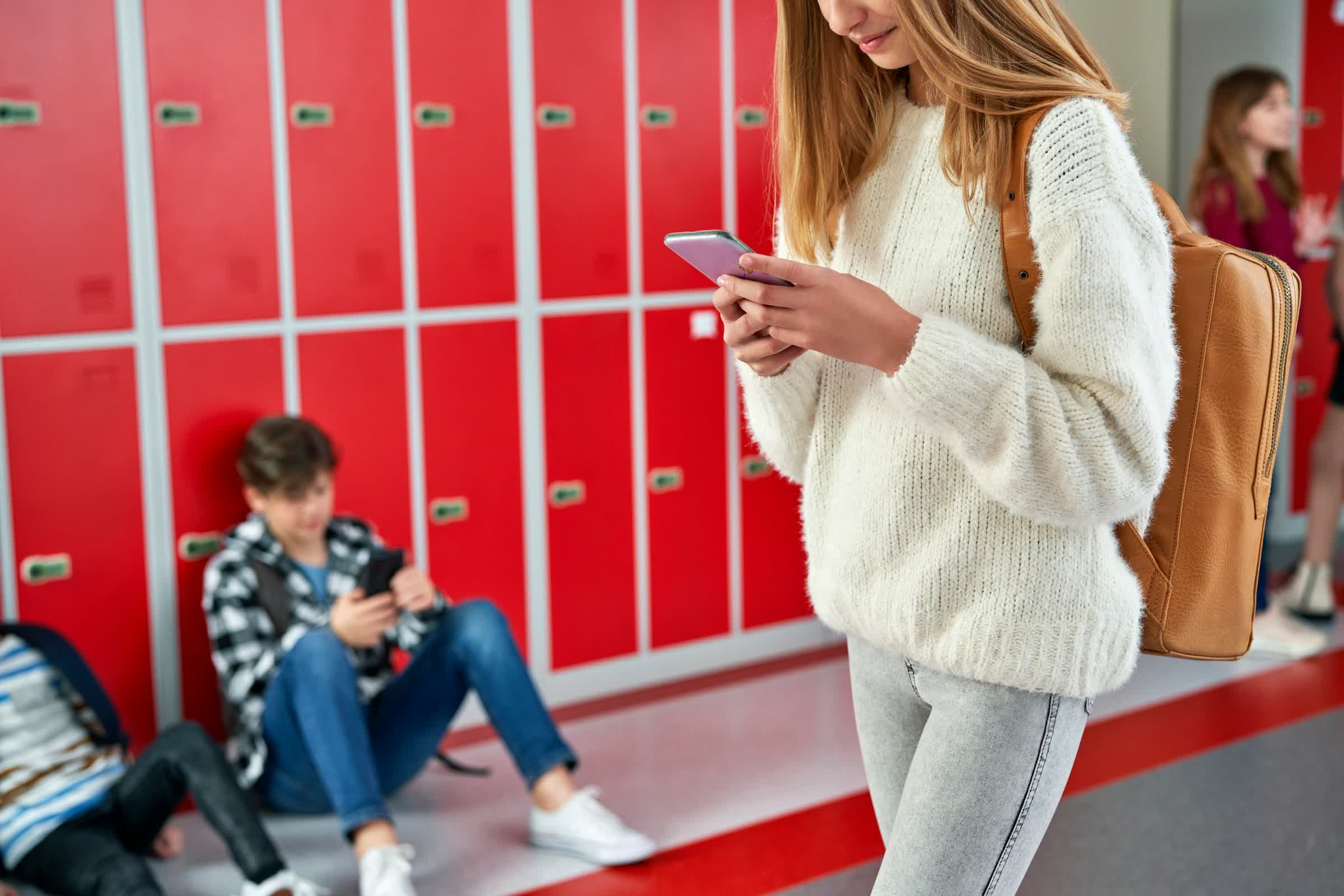
In brief: More countries are introducing social media bans for under 16s, but they aren't working as effectively as intended. Australia, which was the first nation to introduce such a restriction last year, has discovered that the majority of kids are still accessing the platforms. As such, it's doubling the penalty against tech firms for breaches from $49.5 million to $99 million.
Australia's government said tech companies are "not doing enough" to keep children off social media sites. In addition to the doubling of potential penalties, the eSafety Commissioner – Australia's internet regulator – will have strengthened information-gathering powers under proposed reforms.
The new powers will allow the commissioner to compel social media companies to provide more evidence of what they have done to prevent under-16s from owning an account. This includes demands to see information and documents, including from third parties, such as age assurance or app store providers.
eSafety is already investigating the possible non-compliance of Meta, Instagram, Facebook, Google, YouTube, Snapchat, and TikTok.
A report in April found that, four months after being introduced, the Australian ban mostly wasn't working. A survey showed that 61%, or three in five, Australian 12- to 15-year-olds who had accounts on restricted platforms before the ban came into force still had access to one or more accounts.
It was also discovered that almost two-thirds of platforms had taken "no action" to remove or deactivate an account a young user had before the restrictions.
"Based on the regular updates I receive from the eSafety Commissioner, it is clear to me that social media platforms are adopting tricks straight out of the big tech playbook and doing the bare minimum to get by," Minister for Communications Anika Wells said in the statement.
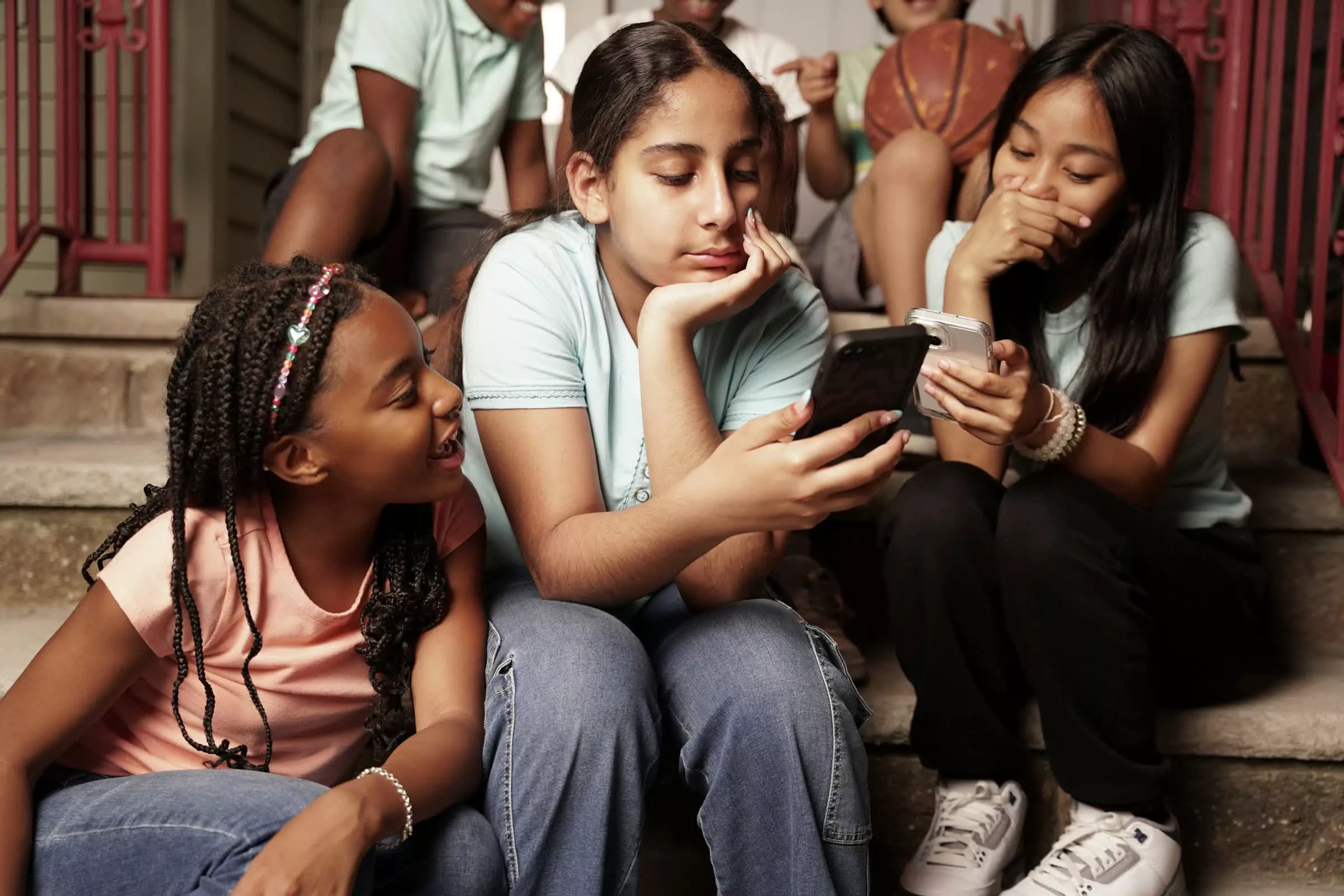
A recent study that included 408 adolescents found that 85% of Australians aged 12 to 15 were still using social media three months after the ban took effect. Two-thirds of underage users stayed online by self-declaring an age over 16 or posting a selfie that the platform accepted as over 16.
A spokesperson for the prime minister said the government had not yet decided when the amendments would be introduced to parliament, but added that it would have more to say on the matter soon.
Australia says that more than 5 million under-16 accounts have been deactivated or restricted since the ban was introduced. But many children are circumventing the restrictions with VPNs and passing age verification checks by making unusual facial expressions, applying makeup, or asking friends or family who look over 16 to help.
Earlier this month, the UK became the latest country to announce a social media ban for under-16s, though it's not expected to be introduced until spring 2027.