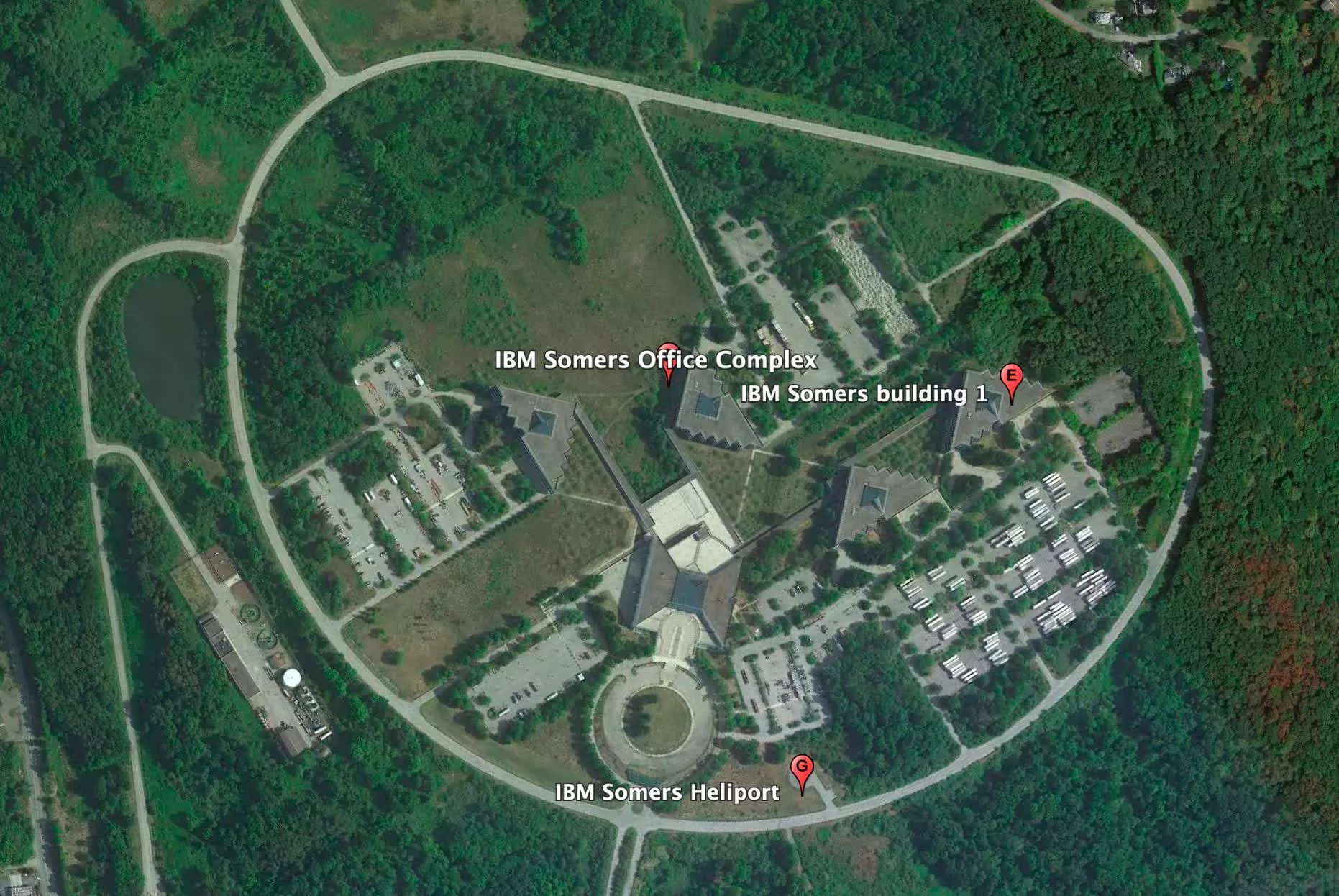
Recap: The former IBM campus in Somers, New York, is drawing attention again, but not for any new development plans. Instead, the long-vacant property has become a frequent target for trespassers, many of them drawn in by videos circulating on social media.
What used to be a tightly managed corporate site is now showing up in short clips on TikTok and Instagram, where users post footage of empty offices, scattered furniture, and the campus's distinctive pyramid structures. The site has become a magnet for so-called urban explorers, or "urbex" enthusiasts, and social media videos have accelerated that interest.
Since February, New York State Police have arrested 48 people for trespassing at the site, including 30 teenagers. Trespassing escalated last winter as social media videos of the campus "spread like wildfire," according to Supervisor Robert Scorrano. Some clips show people moving through the buildings, while others highlight stunts, including one video he said showed someone sliding down part of a pyramid structure.
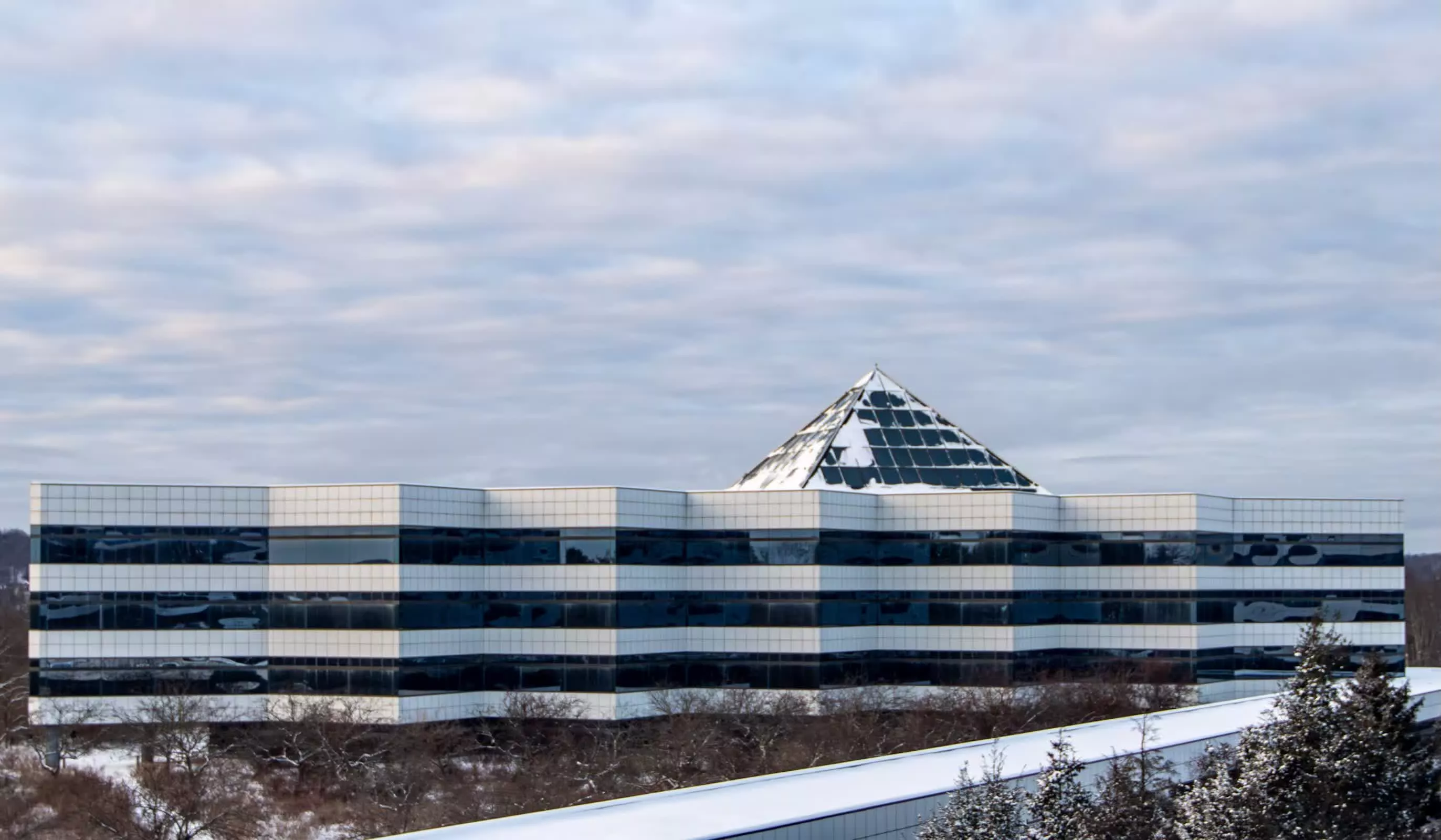
The property itself spans 723 acres and sits on a wooded hilltop, with limited access points and "No trespassing" signs posted along the perimeter. Designed in the 1980s by I.M. Pei's firm, the campus once housed about 2,300 IBM employees across more than a million square feet of office space.
In 2016, IBM sold the property for $31.75 million. A plan to convert it into a private school foundered during Covid, and the owner says it is considering next steps.
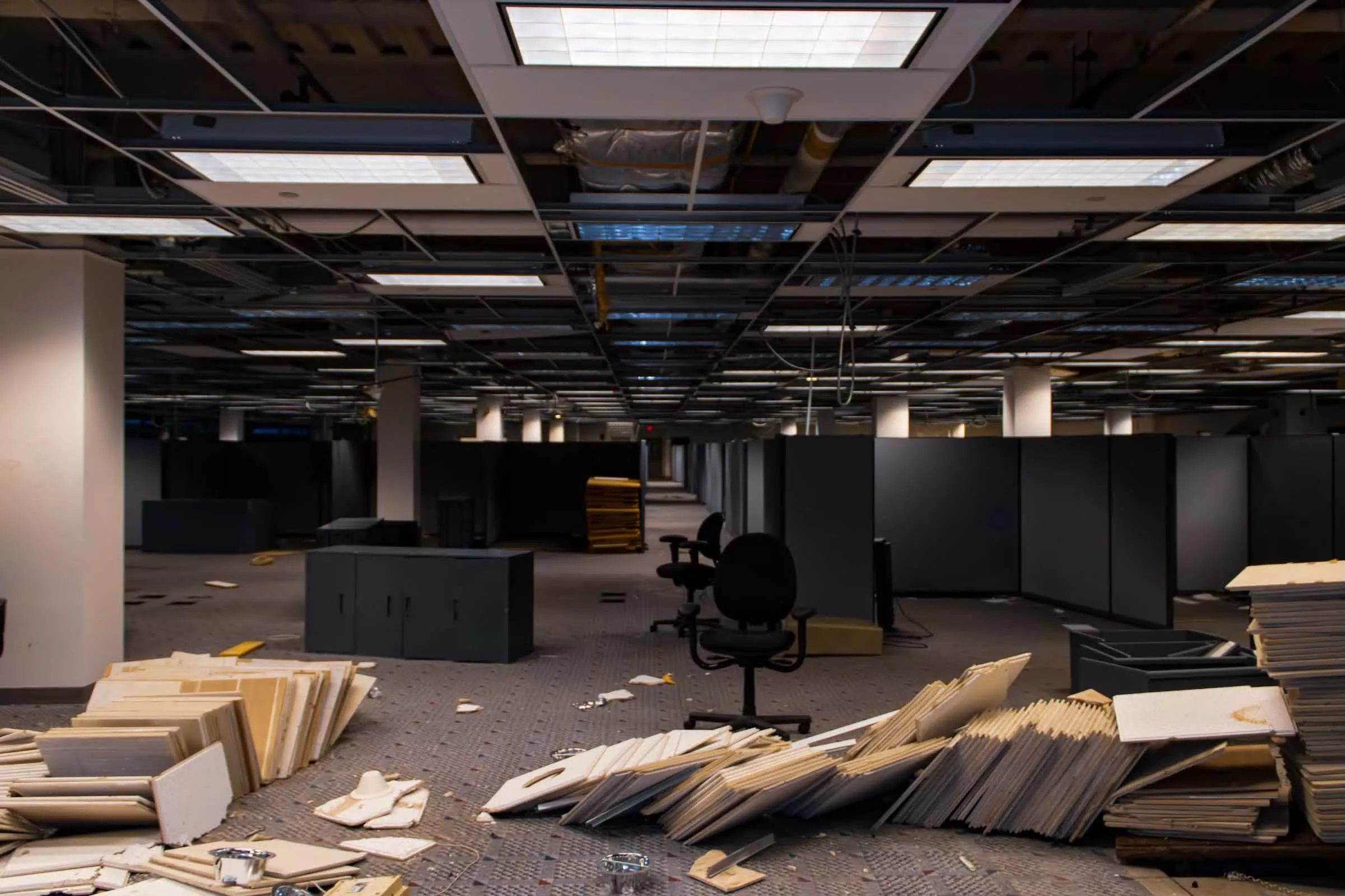
Today, some areas of the complex remain largely intact. Images and videos posted on social media show conference rooms and cubicles that appear frozen in time, alongside areas damaged by vandalism.
That combination has raised concerns for both the property's owner and local law enforcement. Sebastian Capital, which manages the site, said it has stepped up security and described itself as a victim of vandalism.
Police say the risks go beyond property damage. Somers Police Chief Brian Linkletter said responding to incidents inside the buildings can put both trespassers and officers in danger. "If somebody gets hurt and they're trapped in there, now it's additional resources for us, and I have to worry about officers getting hurt," he told The Wall Street Journal. "And why? Because somebody wants to walk through an empty building."
A man in his mid-20s faces felony charges after police allege that he brought a loaded 9mm handgun onto the property and took items, including a Sony camera and a power strip.
The activity in Somers is part of a broader trend. Police in Livingston, N.J., and Jacksonville Beach, Fla., have warned people to stay out of closed properties, including a mall and a shuttered amusement park. In Jacksonville Beach, authorities pointed to "a TikTok challenge to explore the property" at the closed attraction.
Those involved in urban exploration often say they are not there to cause damage. Some who have posted footage from the IBM campus say they follow an "observe-and-preserve" approach and are motivated by curiosity and the chance to document spaces that may not be accessible for much longer.
Bradley Garrett, a cultural geographer who studies the practice, said it can spark interest in history and place. "It actually gives me hope when I hear that kids are out there getting into trouble," he said, describing urban exploration as "a gateway drug in a good way, sometimes, into intellectual curiosity about history and culture." At the same time, he warned that once locations gain traction online, they can be "loved to death."
Among Somers residents, opinions are split. Some see the attention as a reminder that the property still has value and should be redeveloped. Others are frustrated by the constant trespassing.
Robert Carleton, a retired engineer who lives nearby, recently encountered a group of teenagers running from the woods near the site. "I just said, 'Stop, it's over,'" he said, recalling how state troopers arrived moments later and arrested them. He worries the damage could make future redevelopment harder. "If they're breaking in and vandalizing and starting fires, this place is going to be worthless," he said.
For former employees, the situation is hard to watch. Herb Oringel, who spent about a decade working at the campus, remembers it as a place designed for high-level thinking. "It was at one time the Acropolis," he said. "So to think of it as a ruin is absurd."
Image credit: The Wall Street Journal