Ripple effect: Amid growing talk of an AI bubble, a study by Japanese market analysts has found that five of the largest American technology companies are carrying a collective "hidden" debt of over $1.65 trillion, driven largely by massive spending on AI infrastructure. That undisclosed sum exceeds the $1.35 trillion the same companies have officially reported on their balance sheets, and it has grown eightfold over the past four years.
Cutting corners: A new report has reignited the debate over how much tax the world's largest technology companies pay, revealing that the so-called "Silicon Six" – Amazon, Apple, Alphabet, Meta, Microsoft, and Netflix – have paid nearly $278 billion less in corporate income tax over the past decade than would be expected if their profits were taxed at the average statutory rate for US companies.
A potential revolution for when fiber optics hit their speed limits
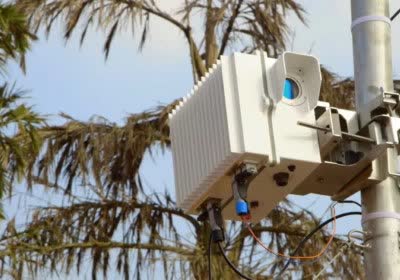
Forward-looking: Silicon photonics could provide an alternative solution to the growing pains of purely silicon-based chips in computing and data transmission. Light-based CPUs are likely still a long way off, but connectivity is improving fast thanks to Google's X and other startup-focused ventures.
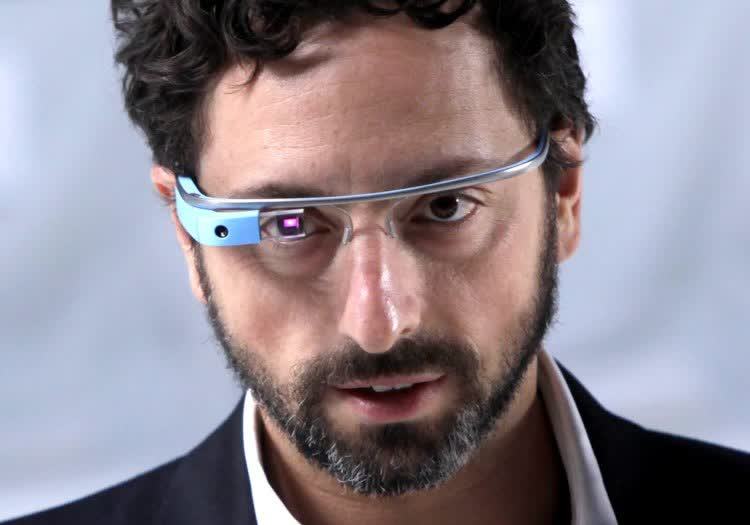
A hot potato: Sergey Brin, the billionaire who co-founded Google alongside Larry Page in 1998, isn't the biggest believer in the idea of a work-life balance. He says that in order for Google to come out on top in the ultra-competitive AI industry, employees should work no fewer than 60 hours per week, which Brin calls the "sweet spot of productivity."