A coating that's just 1 micron thick can be applied to almost any surface
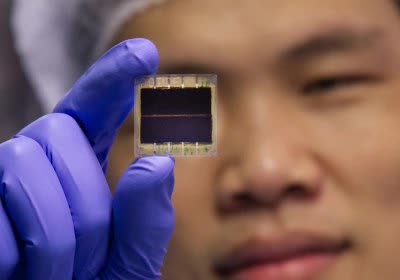
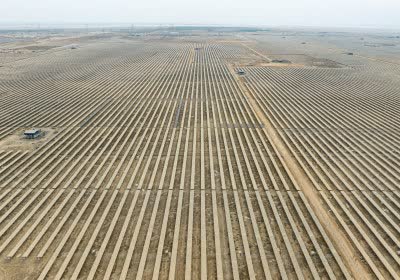
Forward-looking: Oxford University researchers have developed a flexible perovskite material about 100 times thinner than a human hair that can generate solar electricity just as efficiently as traditional silicon panels. Unlike those rigid, single-purpose slabs, this material can coat just about any surface, such as cars, clothing, buildings, and even mobile devices.
Panchromatic, ultra-thin solar cells could soon become reality
What just happened? The solar energy revolution might be about to shift into an even higher gear. Researchers in Germany have developed a groundbreaking new light-harvesting system that could drive a huge leap in solar cell efficiency by absorbing light across the entire visible range.
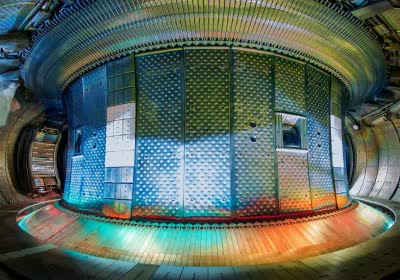
The system is an important step forward to harnessing fusion as a clean energy source
Forward-looking: Fusion differs from fission, which is used in nuclear power plants, and it is based on the same principle that powers the Sun and stars as the hydrogen nuclei fuses into helium, releasing light and heat. Also, unlike nuclear power, fusion is intrinsically safe in that the reaction stops when the fuel supply or power source is shut down. Nor does it generate high-level long-lived radioactive waste.