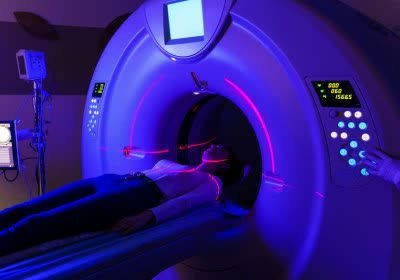
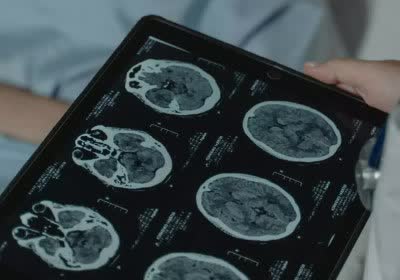
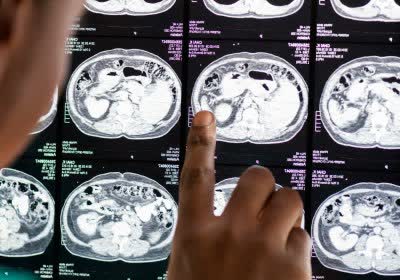
The cancer risks associated with CT scans are comparable to those from alcohol consumption and excess body weight
A hot potato: A new study from UC San Francisco is raising alarms about the widespread use of computed tomography (CT) scans in the United States, warning that the technology may be responsible for as much as 5 percent of all cancers diagnosed each year. The research, published in JAMA Internal Medicine and funded by the National Institutes of Health, suggests that the risks associated with CT scans – particularly the exposure to ionizing radiation – are far greater than previously believed.
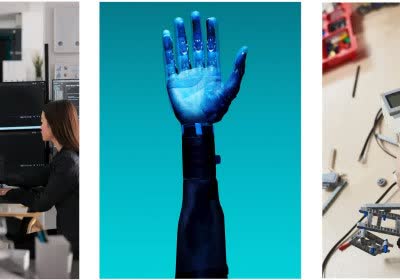
The breakthrough could lead to soft, wiggly robots
In context: Making robots more biologically compatible has been a challenge scientists have been tackling for years. Until now, they have primarily been able to create lab-grown muscle fibers that contract along only one plane. That works well for a robotic arm that bends at a single joint, but it falls short when it comes to more complex movements. In contrast, the human body's muscles are far more versatile thanks to fibers arranged in intricate, crisscrossing patterns.
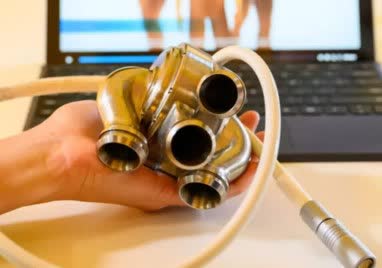
The co-scientist model came up with several other plausible solutions as well
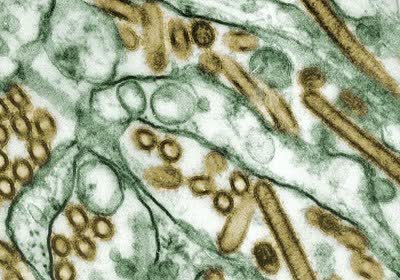
Cutting corners: Researchers at Imperial College London say an artificial intelligence-based science tool created by Google needed just 48 hours to solve a problem that took them roughly a decade to answer and verify on their own. The tool in question is called "co-scientist" and the problem they presented it with was straightforward enough: why are some superbugs resistant to antibiotics?
Every 30 minutes spent standing beyond two hours increases the risk of circulatory disease by 11%
In brief: We've long been told that sitting at a desk all day is the new smoking, resulting in a higher risk of dangerous health conditions. It's why companies such as Google offer employees the option to use standing desks. However, according to a new study, standing all day may not be as good for us as we think, and could even increase the risk of conditions such as swollen veins and blood clots in the legs.