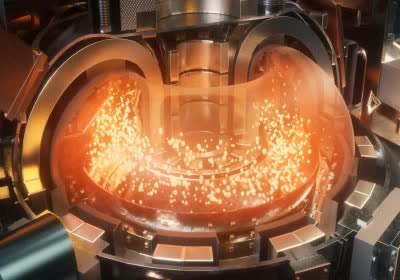
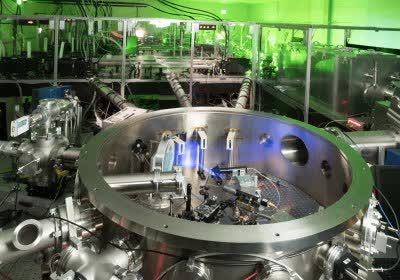
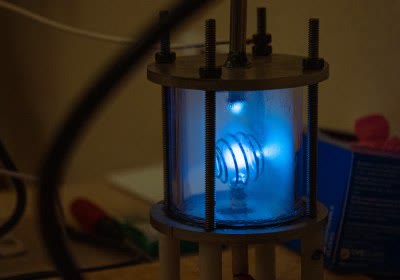
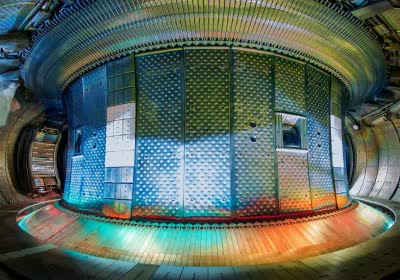
Forward-looking: Fusion energy is often regarded as the holy grail of power generation because it harnesses the same atomic process that powers the sun. The concept involves forcing atomic nuclei to fuse together, unleashing immense energy. If scientists can crack the code using lasers, it could lead to a virtually limitless supply of safe, sustainable energy without any carbon emissions.
Spoiler alert: It works but testing on an actual asteroid might be needed
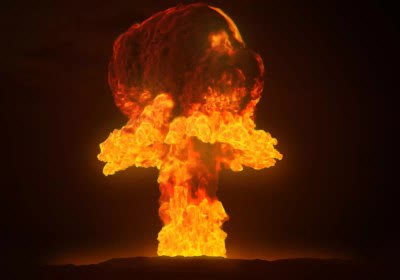
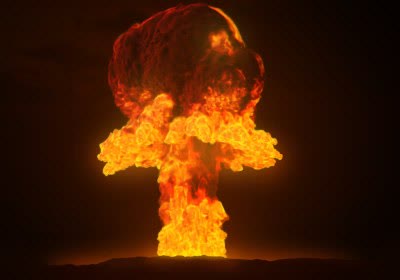
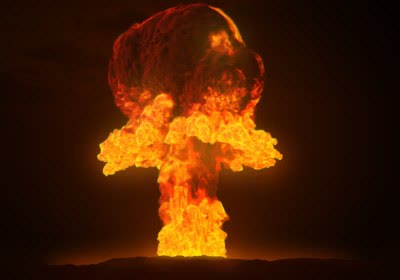
Why it matters: The concept of launching nukes into space to knock asteroids off course or destroy them completely may not sound foreign thanks to numerous sci-fi films popularizing it. But the lack of atmosphere in space nerfs nukes' power considerably, so the idea isn't so easy to pull off. Now, researchers at Sandia National Labs have come up with a new way to compensate for this shortcoming.
What could possibly go wrong with giving AI control of nukes?
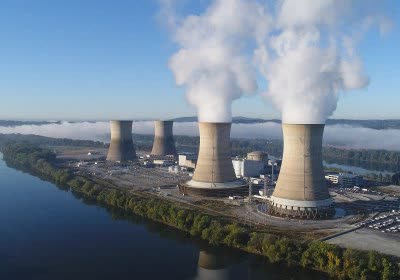
What just happened? If you think the prospect of artificial intelligence controlling fighter jets, drones, and machine gun turrets is concerning, think about the potential ramifications of AI making decisions on the deployment of nuclear weapons. The US is one of the countries that has declared control over nukes will also rest in human hands, and it wants China and Russia to make the same promise.