Semiconductor articles

Trump plans new tariffs on semiconductors, promises flexibility for some companies
Trump administration is looking at the whole electronics supply chain as part of its tariff investigations

Trump administration exempts phones, computers, CPUs, memory, and chipmaking tools from sweeping tariffs
The exemptions cover $390 billion in yearly US imports
Why it matters: The Trump administration has granted a reprieve to global technology manufacturers by exempting smartphones, laptops, CPUs, memory chips, and electronics to make semiconductors from its sweeping tariffs on imports – a move that could ease pressure on companies like Apple and Nvidia while offering relief to consumers.

New restrictions on China's rare earths will likely disrupt tech and defense industries
The latest measure targets seven rare earth elements, including scandium and dysprosium

Arm is aiming to win half of data center CPU market by year's end
Nvidia will play a major role in achieving that ambitious goal

Intel's 18A node enters risk production, paving the way for Panther Lake
18A node production begins ramping up

Pat Gelsinger warns TSMC's $100 billion investment will not restore US semiconductor dominance
"If you don't have R&D in the US., you will not have semiconductor leadership in the US."
Jensen Huang anticipates 20% performance boost from gate-all-around transistors
New technology likely vital for Feynman (2028) and later GPU architectures
TSMC spends just 10% more on silicon wafers manufactured in the USA than in Taiwan fabs
A hot potato: TSMC has repeatedly said that funding a new chip-making venture outside Taiwan is very expensive for numerous reasons. However, a new analysis tries to debunk the company's alleged financial issues with building new plants in other parts of the world.
TSMC's 2nm chips near production, iPhone 18 Pro likely to be first to adopt
Yields estimated to be far above 60 percent
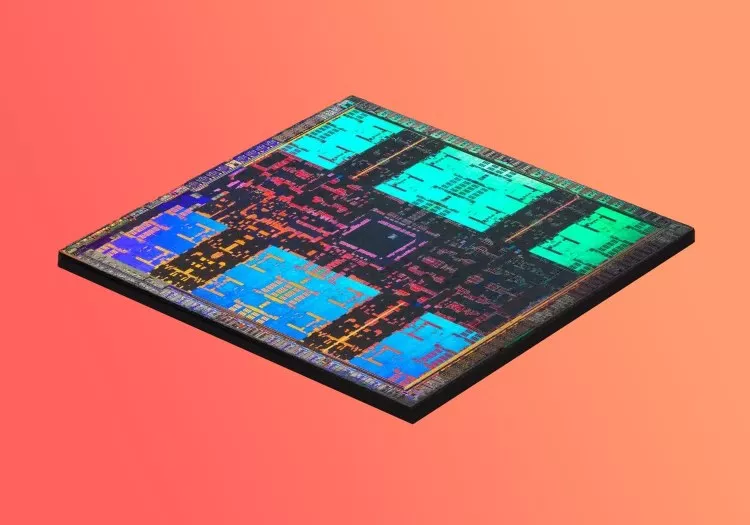
How profitable are TSMC's nodes: crunching the numbers
Legacy nodes are more valuable than they appear
Vietnam wants to compete with Taiwan by establishing its first wafer fab
The goal is to become one of the biggest semiconductor players between 2040 and 2050

Chip industry veteran Lip-Bu Tan is Intel's new CEO
New leader wants to turn Intel into a "world-class foundry"
Something to look forward to: Intel's years-long struggle to stay competitive in the semiconductor market worsened last year as the company lost billions, forcing out CEO Pat Gelsinger. While the strategic direction of his successor remains unclear, early statements suggest that Intel will maintain its commitment to foundries, even as rivals propose partnerships and others question whether Intel should stay in the foundry market.
Intel embraces the multi-foundry approach, currently outsourcing 30% of its wafer production to TSMC
Intel sees TSMC as a key supplier while refining its foundry model

Nvidia and Broadcom are testing Intel's 18A capabilities, but future deals remain uncertain
Intel fights for foundry relevance
TSMC announces extra $100 billion investment in US chip manufacturing, bringing total to $165 billion
TSMC has committed to creating new factories and thousands of jobs
Former Intel CEO has a radical solution for the company: Fire the board and rehire Pat Gelsinger
He also advises against breaking up Intel now that it's regaining edge

Intel pushes back Ohio chip plant opening to 2030, citing market conditions
The plant is expected to use advanced process technologies when it finally opens
China accuses Taiwan of "selling out" its semiconductor industry to the US
Would Taiwan give away TSMC to secure Trump's backing?

Semiconductor industry braces for CHIPS Act fallout after federal job cuts
Donald Trump wants to bring chips back to the US with tariffs, not federal loans
Apparently AMD has blocking rights for any acquisition of Intel. If a deal were to happen, what would AMD ask for?
The x86 wish list: Complexities of an imaginary Intel takeover
Editor's take: We are frequently asked some version of the question, "Will someone acquire Intel?" At this point, we think it is highly unlikely, but these are unpredictable times. Setting aside all the principal considerations – like money, strategy, and regulatory approval – there are a few other hurdles. Chief among these is Intel's license for x86.
Intel says 18A process is ready, tape-out confirmed for the first half of 2025
Can Intel's first 2nm-class process node save the day?
Why it matters: As Intel's chip design and foundry businesses face mounting pressure that could jeopardize the company's future, much is riding on the success of its upcoming 18A node. As Intel finalizes its latest semiconductor process, 2025 will be a decisive year for its efforts to legitimize its foundry division and regain competitiveness against TSMC and Samsung.
Building semiconductor plants in the US takes twice as long, costs twice as much as in Taiwan
Experience and streamlined processes give Taiwan a big edge

Intel's $13B foundry loss raises stakes for potential TSMC partnership
Can TSMC save Intel's foundry business?
In context: Once the undisputed leader in semiconductor manufacturing, Intel now finds itself at a critical juncture as its foundry operations face significant financial challenges. It remains uncertain whether a deal with TSMC can rescue Intel's foundry business, but without it the company – better known in its heyday as "Chipzilla" – must find a way to address its manufacturing challenges and financial losses.

Intel considers breakup as Broadcom and TSMC explore separate deals
Broadcom is eying Intel's chip design business while TSMC considers manufacturing arm