Testing AMD Radeon's Biggest-Ever Software Upgrade: FSR 4.1 on RDNA 3
AMD's new FSR 4.1 INT8 upscaler gives RDNA 3 GPUs a massive image quality upgrade. We examine visual quality, performance, and how closely it matches the RDNA 4 version.

AMD's new FSR 4.1 INT8 upscaler gives RDNA 3 GPUs a massive image quality upgrade. We examine visual quality, performance, and how closely it matches the RDNA 4 version.
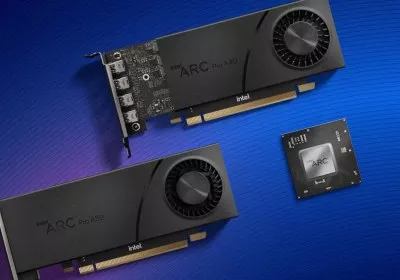
Intel never released the Arc B770, but the Arc Pro B70 may show us exactly what it would have looked like. We test Intel's workstation Battlemage GPU in 12 modern games.

Does the Nvidia App really hurt gaming performance? We benchmarked its background app, overlay, recording, and filters to see what affects frame rates and whether it is worth keeping installed.

Nvidia's shift away from PC gaming wasn't driven by AI alone. Slowing GPU gains, rising manufacturing costs, and longer upgrade cycles made gamers a far less attractive business.

Your DisplayPort 2.1 monitor and graphics card may support UHBR20, but that doesn't mean you're getting it. Here's how a seemingly harmless cable choice can change everything.

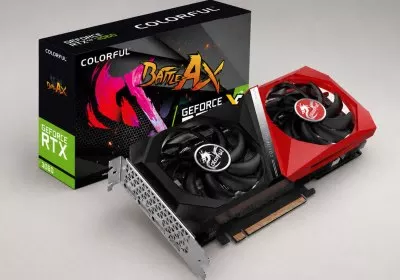
The Radeon RX 9070 GRE arrives outside China, but a year-old GPU with 12GB of VRAM and a $550 price tag struggles to justify its place in AMD's increasingly crowded lineup.

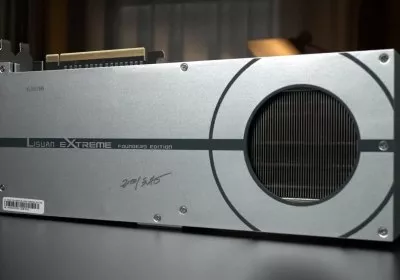
We benchmark the Radeon RX 9070 XT and GeForce RTX 5070 Ti across 52 games, testing rasterization and ray tracing performance at 1440p and 4K.

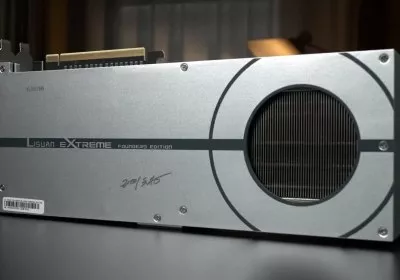
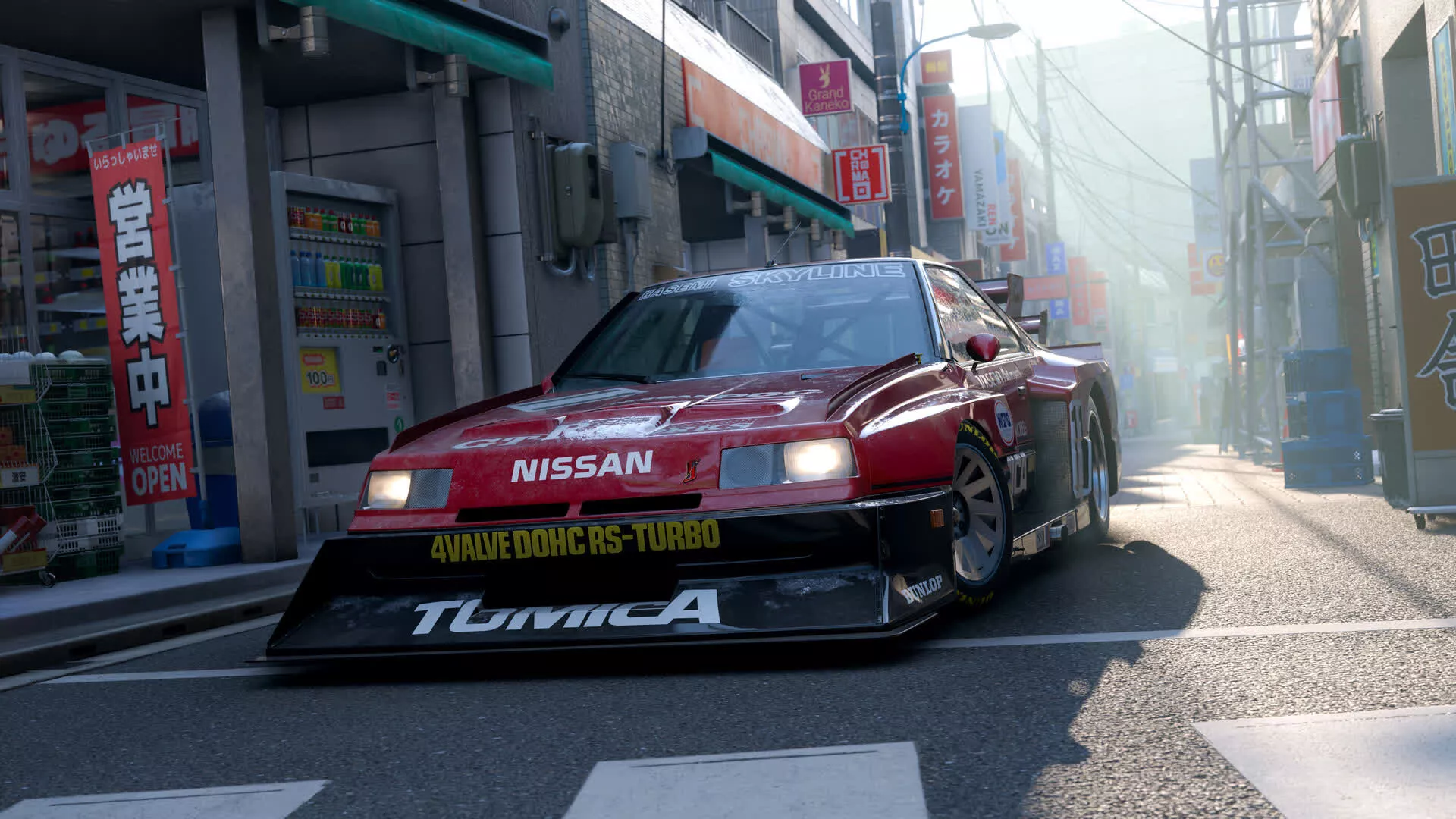
Forza Horizon 6 looks stunning on PC, but some settings deliver huge FPS gains with little visual loss. We benchmark every major option to find the best optimized settings for every GPU tier.

1080p, 1440p, 4K Tested Forza Horizon 6 is one of the best-looking racing games yet, but max settings and RT can crush modern GPUs. We tested 47 graphics cards to see what it really takes to run well.

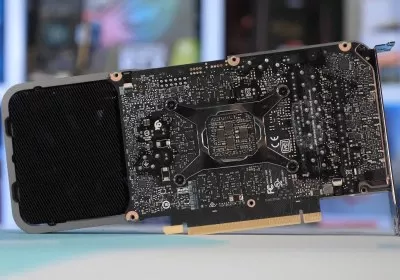
Forza Horizon 6 looks stunning, but our testing shows modern visuals come at a steep VRAM cost. Here's how 8GB and 16GB GPUs compare across a range of settings and resolutions.