Cracking the code on ultra-secure, high-speed data transmission
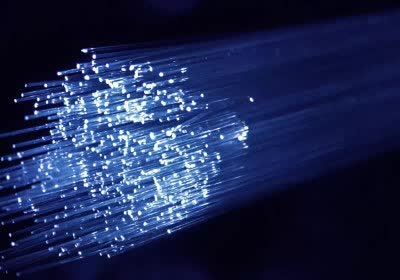
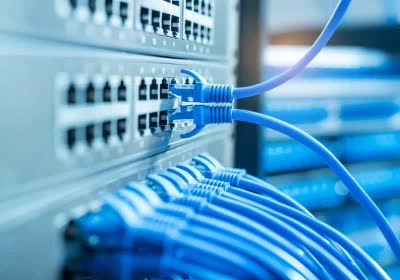
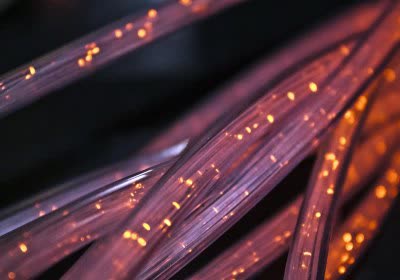
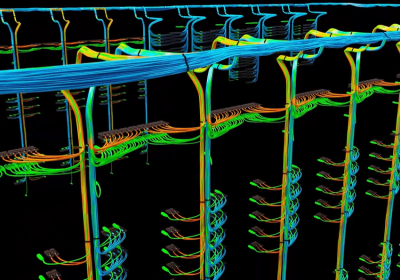
Why it matters: Chinese researchers hit a significant data-transfer milestone by transmitting data at one terabit per second over 1,200 kilometers of optical fiber, with encryption embedded directly into the light signal. This approach eliminates any added layers of software-based security – something the global telecom industry has struggled to achieve for years.
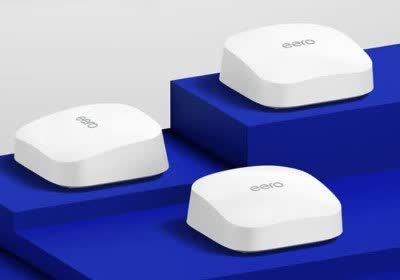
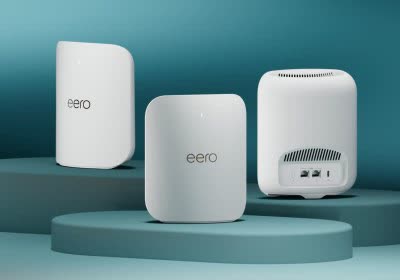
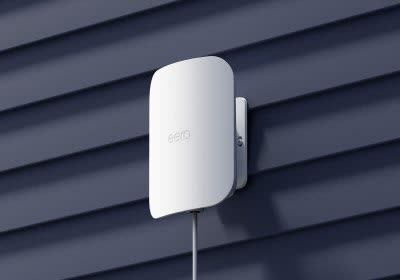
The eero Pro 6E is a tri-band mesh Wi-Fi system built for large homes. It includes three Wi-Fi 6E capable routers, each featuring a 2.5 Gb Ethernet port, double as a Zigbee smart home hub and built-in Thread support.
Apple already issued patches, so be sure to update your systems immediately
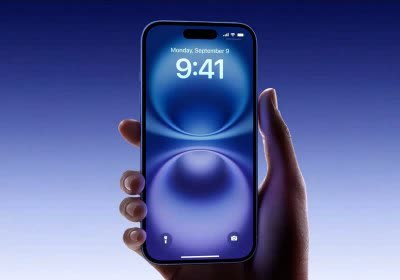
In brief: Security researchers have uncovered a wide-ranging set of vulnerabilities in Apple's AirPlay protocol that could allow attackers to hijack Apple and third-party devices remotely without user interaction. The exploit chain, dubbed "AirBorne," includes 23 individual bugs – 17 with official CVEs – and enables zero-click remote code execution on vulnerable systems.
A potential revolution for when fiber optics hit their speed limits
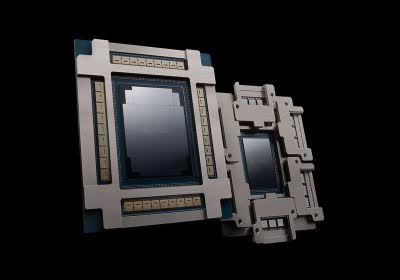
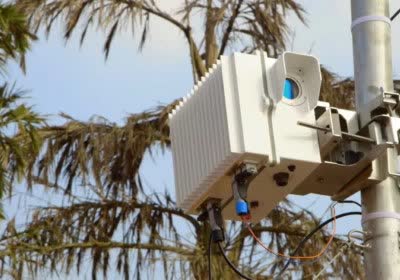
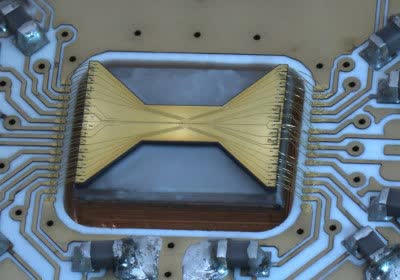
Forward-looking: Silicon photonics could provide an alternative solution to the growing pains of purely silicon-based chips in computing and data transmission. Light-based CPUs are likely still a long way off, but connectivity is improving fast thanks to Google's X and other startup-focused ventures.
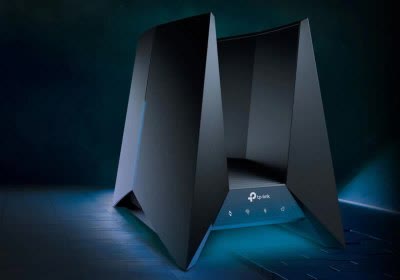
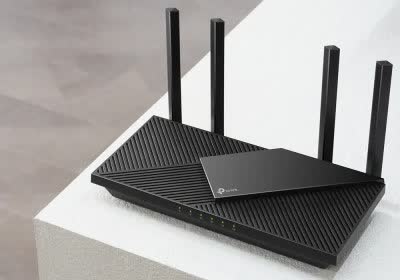
The TP-Link Archer AX55 Pro is a dual-band Wi-Fi 6 router with solid range in a compact design. While not the fastest, it supports OneMesh and Wi-Fi EasyMesh, making network expansion easy with compatible devices from TP-Link and other brands.
Wireshark is a popular and free network protocol analyzer - version 4.4.3 brings security updates and enhances protocol support such as ARTNET, HTTP2, IEEE 802.11 and more.
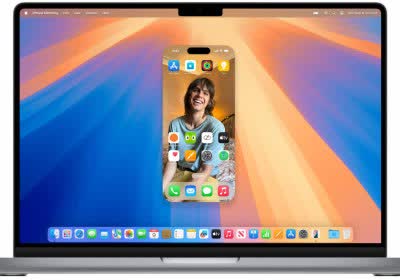
Break different: Apple recently released the latest version of macOS, but things aren't going smoothly for Sequoia. The operating system is reportedly causing serious compatibility issues for security tool vendors, and it appears Cupertino was aware that the OS wasn't fully ready for prime time.
In brief: It's been over five years since 5G started its worldwide rollout, bringing low-latency super-speed internet to hundreds of millions. But building out those 5G networks has been a challenge. The higher frequency signals don't travel as far, so more base stations are required compared to 4G. With prime real estate in limited supply, Japanese telecoms had to get creative.