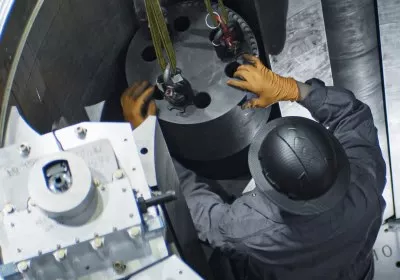
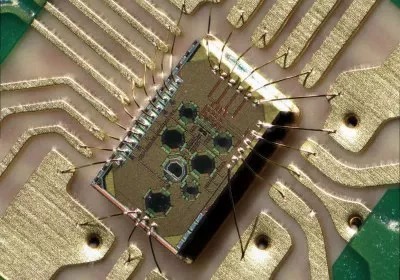
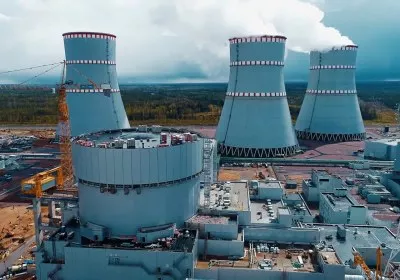
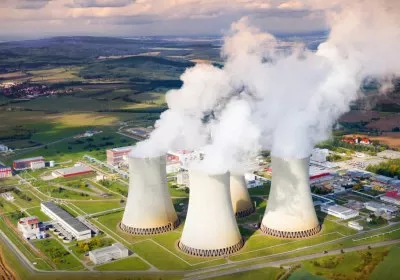
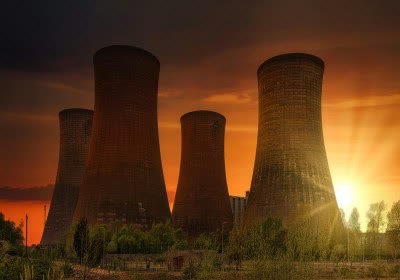
Highly anticipated: A team in Japan has developed a Wi-Fi receiver capable of operating in the extreme radiation inside nuclear reactors, an advance that could help robotics teams safely decommission aging power plants. The receiver, developed at the Institute of Science Tokyo, demonstrated resilience under radiation doses roughly 1,000 times higher than what typical electronics can withstand.
Winners & losers: In a world where military planners are increasingly turning to AI for strategy modeling, a recent experiment from King's College London offers a serious warning: when left to their own devices, AI systems tend to go nuclear. Dr. Kenneth Payne, a defense studies scholar at the university, tested three of the most advanced LLMs: GPT-5.2, Claude Sonnet 4, and Google Gemini 3 Flash, by placing them in a series of simulated global crises. The results revealed alarming patterns of aggression and miscalculation that challenge assumptions about AI's potential role in warfare management.
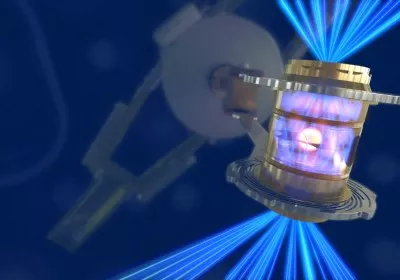
Latest experiments more than doubles fusion energy output
Forward-looking: While the path to practical fusion energy remains long, the recent advances at the National Ignition Facility have emboldened researchers. The facility's ongoing progress is a testament to decades of persistence – and a sign that the age of controlled fusion ignition is no longer a distant dream.