
When we last updated our GPU buying guide in August, the graphics card market was fully headed in the wrong direction. A few months later, things have gone from bad to genuinely ridiculous. Earlier this year, we were talking about $250 Intel Arc B580s, $350 16GB Radeon RX 9060 16GB XTs, and $600 Radeon 9070 XTs.
None of those were particularly revolutionary products, but they represented some semblance of progress for PC gamers. Today, those prices seem almost too good to be true.
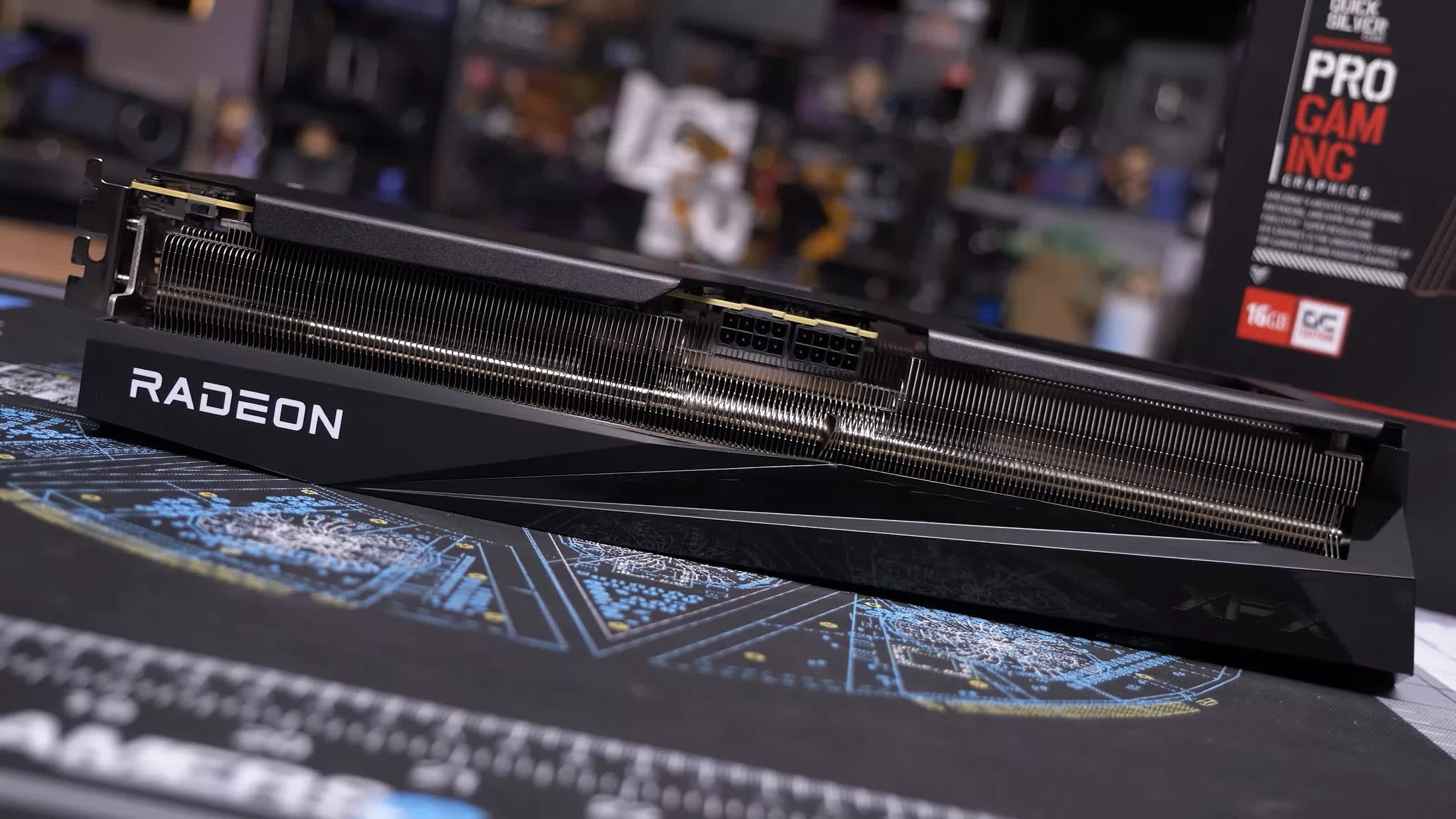
AI's seemingly insatiable appetite for silicon, rising memory costs, and the prioritization of more profitable enterprise hardware have left gamers fighting over what's left, often at two or three times the intended retail price. Meanwhile, we've had enough corporate drama at Nvidia, including the firing and rehiring of its CEO, to keep us entertained while we game at suboptimal frame rates.
All of this is to say that if you can avoid buying a new graphics card right now, you probably should.
There are no meaningful new gaming GPUs to factor into this guide, either. We're largely looking at the same hardware we've been recommending for the better part of a year, just at considerably higher prices and with increasingly limited availability.
All of this is to say that if you can avoid buying a new graphics card right now, you probably should. We don't particularly enjoy making that recommendation in a GPU buying guide, but that's the state of the industry.
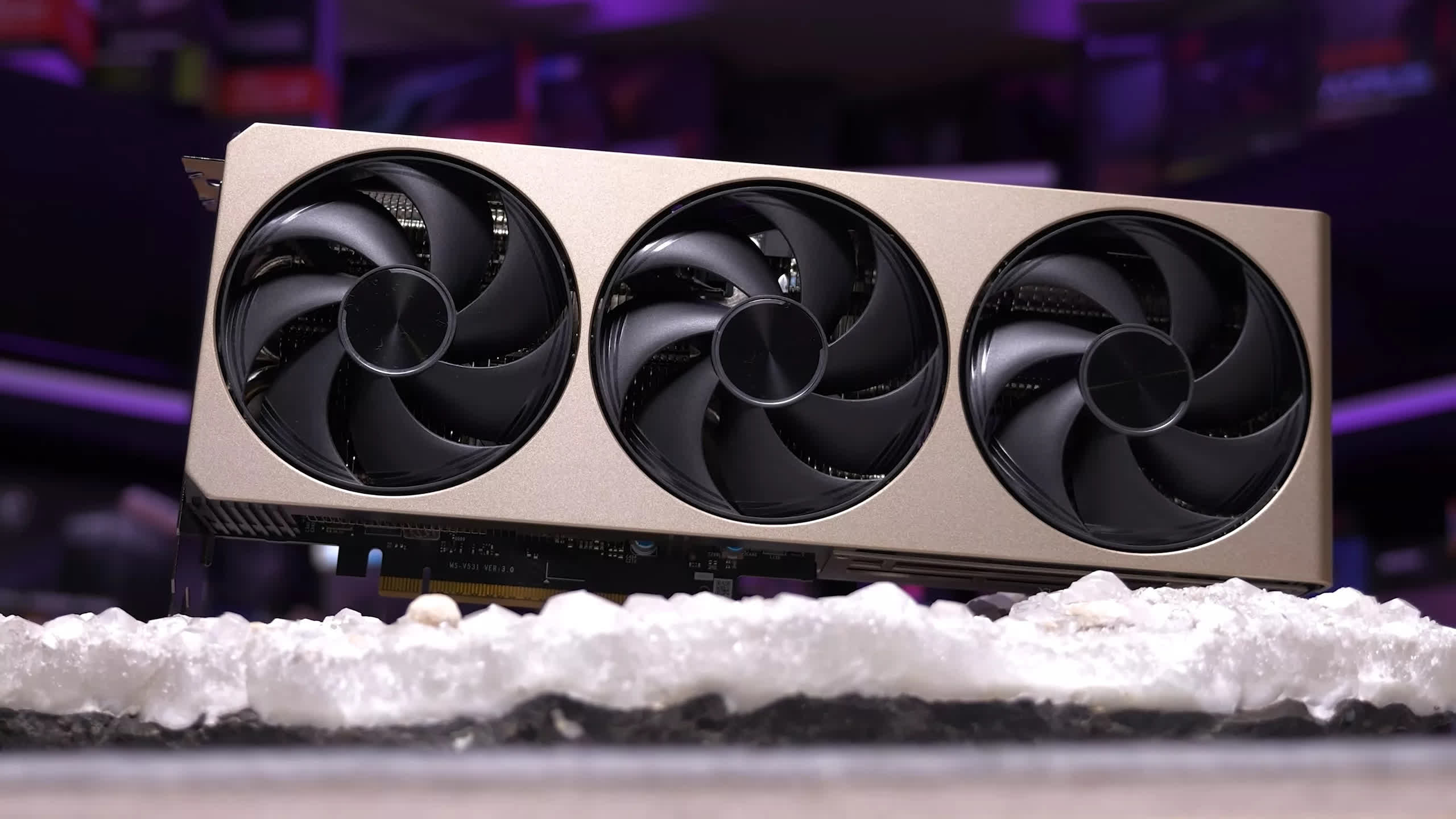
Of course, some of you have been trying to wait out the storm and can no longer do so. Whether you're building a new gaming PC, replacing a failed graphics card, or upgrading hardware that's well past its prime, there are still a few options that make more sense than others. So, based on our extensive GPU testing and the latest retail pricing, let's try to find some graphics cards worth buying. Relatively speaking, anyway.
Entry-Level GPUs: Scraping the Bottom of the Barrel
- Intel Arc B570: $290
- GeForce RTX 5050: $450
- GeForce RTX 5060: $460
- GeForce RTX 5060 Ti 8GB: $500
- Radeon RX 9060 XT 8GB: $540
- Intel Arc B580: Out of stock
- Radeon RX 9050: Unavailable in the US
Starting with the entry-level options, sadly, things become very mid-range in their pricing rather quickly. At the time of writing, Intel's Arc B580 supply has dried up in the US, while in places like Australia, availability is very limited, with just a few models priced at $450 AUD.
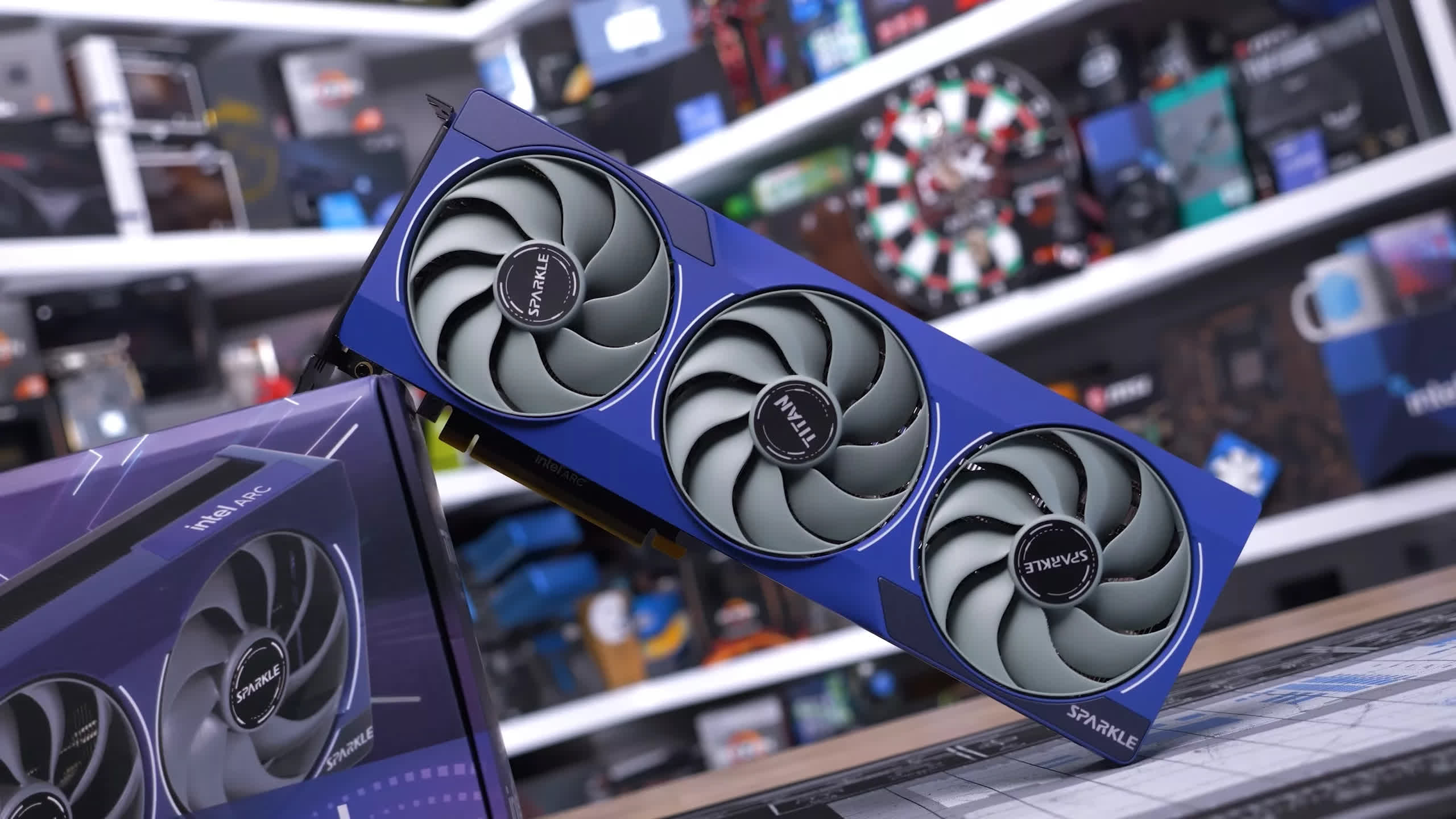
Fortunately for American buyers, there are still a few B570s kicking around. Newegg, for example, has an Asrock Challenger model for $290. If you want a budget GPU, that's without question your best bet. Just don't waste too much time, as we suspect these will be gone fairly soon.
AMD and Nvidia are both supposed to have options that compete with the B570 and B580, but neither is particularly good, and despite that, both are difficult to find. Nvidia's RTX 5050 somehow starts at $450, and most models are priced at $500 or more. We could find only one model selling for $450, so that's pretty bad.
AMD's RX 9050 can't be found in the US, but you can buy one here in Australia for $450 AUD, the same price as the faster and much better B580. If you're an Aussie, just get the Intel GPU.
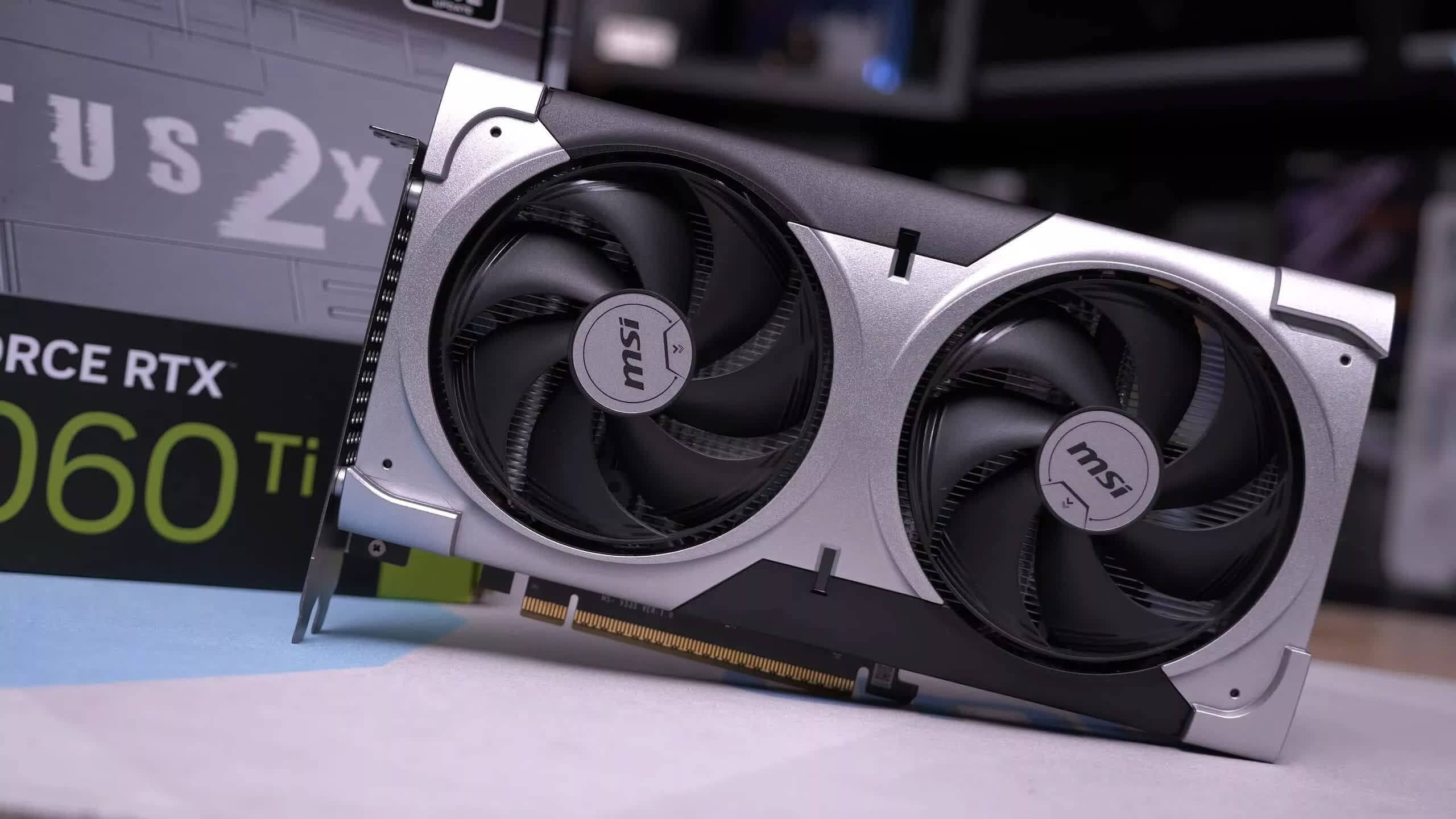
Shockingly, the next best option is somehow the GeForce RTX 5060 Ti 8GB, which costs an eye-watering $500. The 5060 Ti is around 40% faster on average, though, provided you don't exceed its 8GB memory buffer.
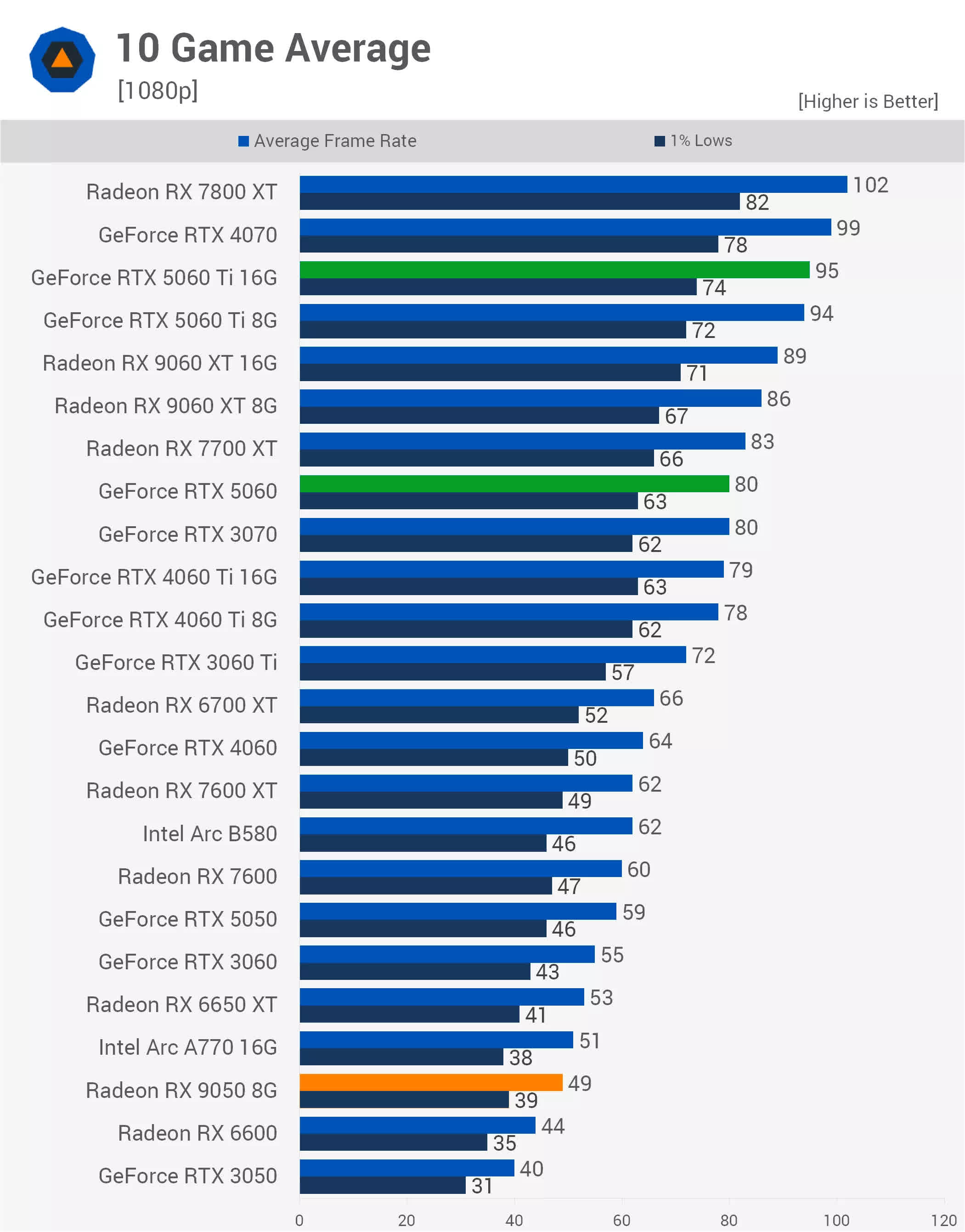
For reference, the cheapest standard RTX 5060 currently costs $460, so it's not worth saving $40 over the Ti version. Meanwhile, AMD's Radeon RX 9060 XT 8GB somehow costs more than the 5060 Ti at $540, and it's absolutely not worth that premium.
So the best entry-level buys right now are the Intel Arc B570 or B580, depending on pricing and availability in your region, or the RTX 5060 Ti 8GB. The latter costs around 70% more than the B570 but is considerably faster and offers more advanced features such as DLSS.
Mainstream GPUs ($700 to $850 - WTF)
We thought things were pretty bad for the entry-level options, but then we started researching the next price bracket, and suddenly updating this GPU buying guide seemed like a much less appealing proposition. In the middle of this process we were basically writing this against our will.
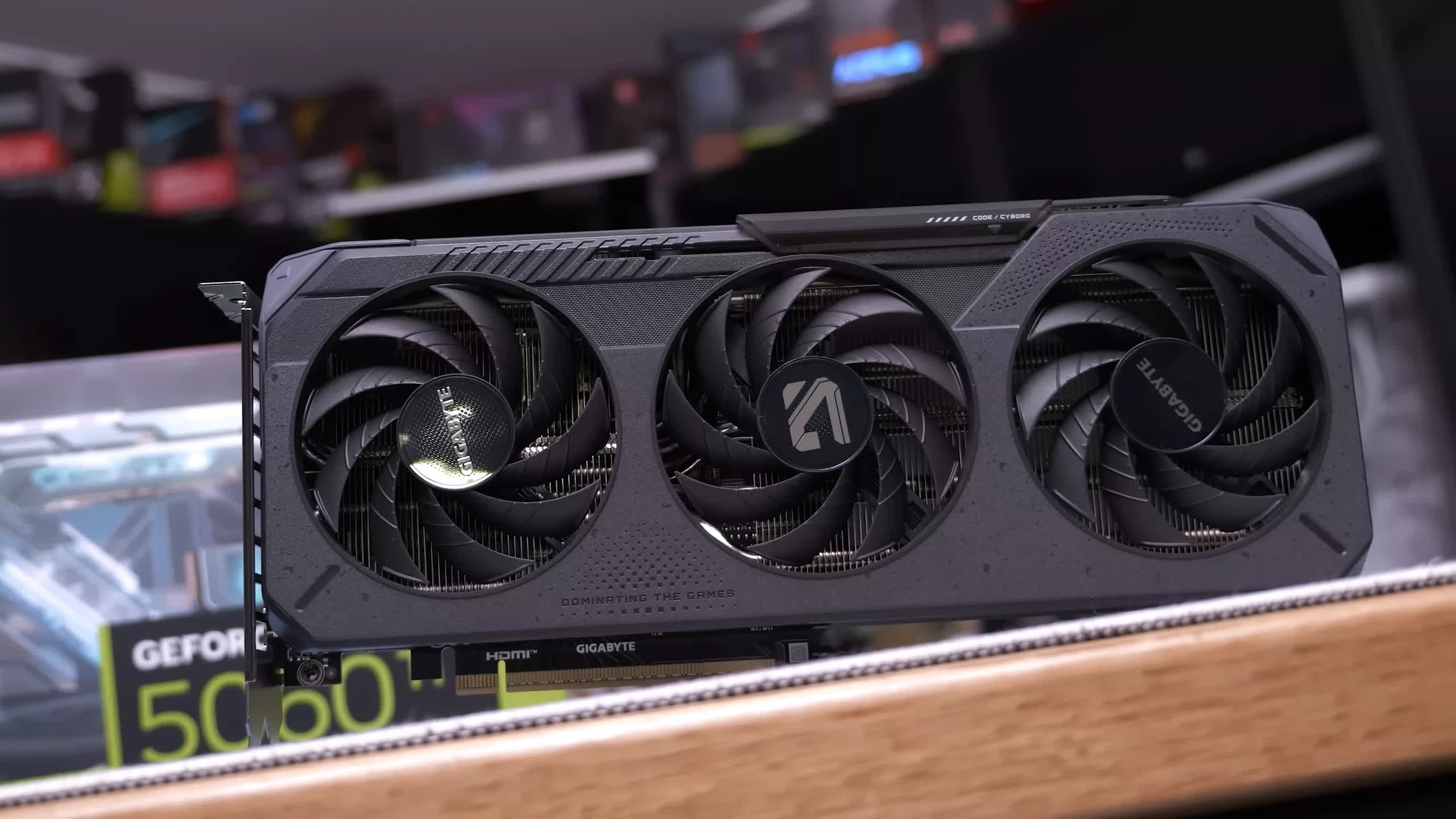
The formerly budget-friendly mid-range options, namely the Radeon 9060 XT 16GB, RTX 5060 Ti 16GB, and Radeon 9070 GRE, all cost upwards of $700. In fact, the cheapest option here is the 9070 GRE at $730, though it comes with just 12GB of VRAM. The other two 16GB models cost $750 for the 9060 XT and $810 for the RTX 5060 Ti.
Now, there was a period when it was primarily GeForce pricing that was disgustingly bad. But in typical AMD fashion, the company couldn't bring itself to capitalize on a situation that might have allowed it to claw back some much-needed market share, apparently at the expense of healthy margins or industry friendliness.
After all, AMD CEO Lisa Su publicly stated that "Everybody is so friendly. Everyone loves each other, even if they're competitors, it doesn't matter." She went on to explain that many people in Taiwan's semiconductor industry had grown up professionally together and were happy to see their colleagues succeed. Of course, Lisa Su and Jensen Huang are actually related, being first cousins once removed.
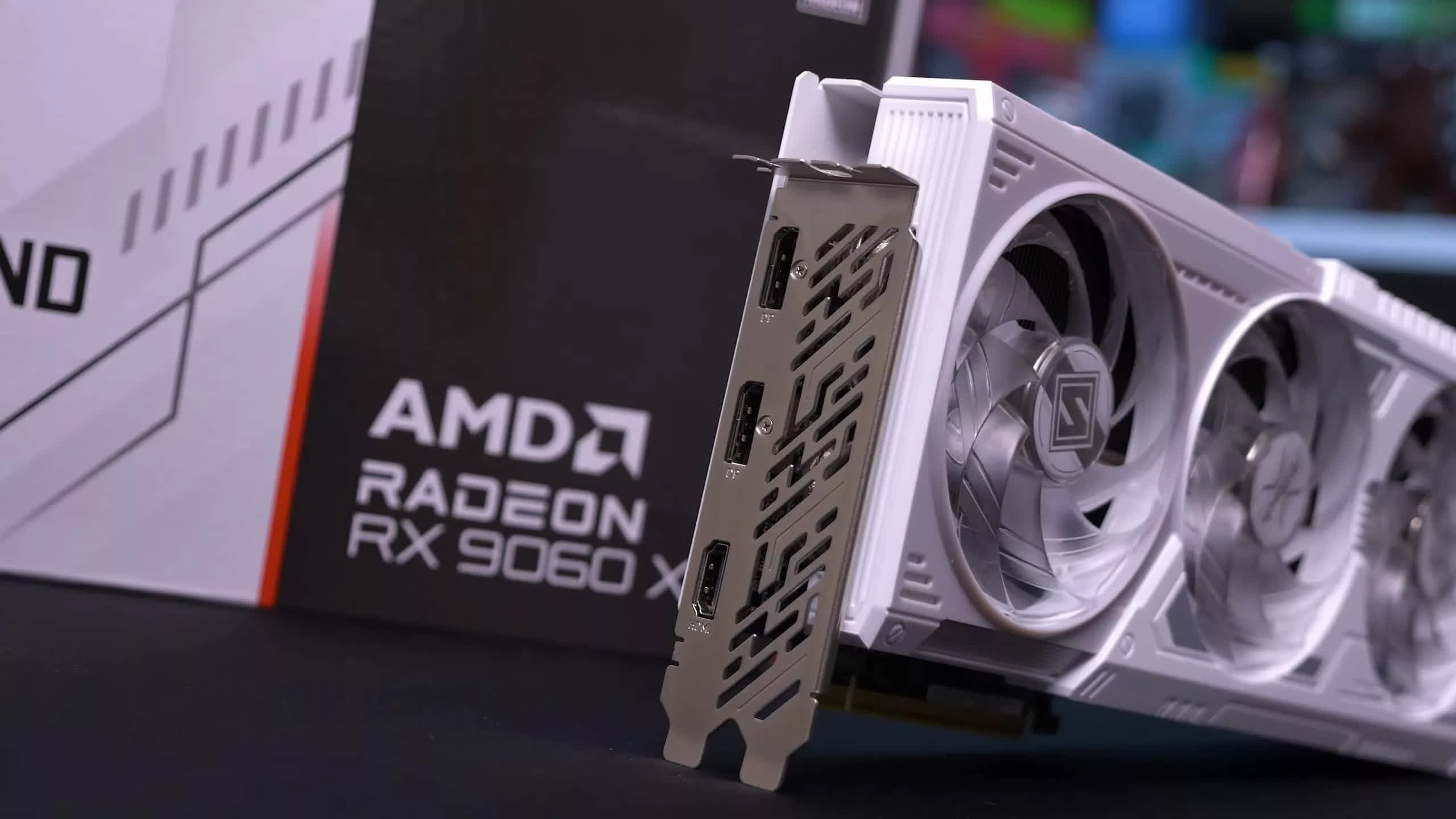
Family connections and conspiracy theories aside, AMD's reluctance to compete aggressively on GPU pricing has been a source of frustration for years. Nvidia minus $50 has largely been AMD's losing strategy, though the company did at least attempt to change things with the Radeon 9000 series. For a little while there, anyway, before everything became very friendly again.
So here we are. What should be a $430 RTX 5060 Ti is now selling for 88% over MSRP, and the $350 Radeon 9060 XT costs 114% over MSRP. Great stuff, everyone.
Anyway, this is the part where we're supposed to recommend one of these ridiculously overpriced GPUs. As bad as $730 is, the Radeon 9070 GRE is actually the best value option here, offering 25% more performance than the 5060 Ti 16GB while costing 10% less.
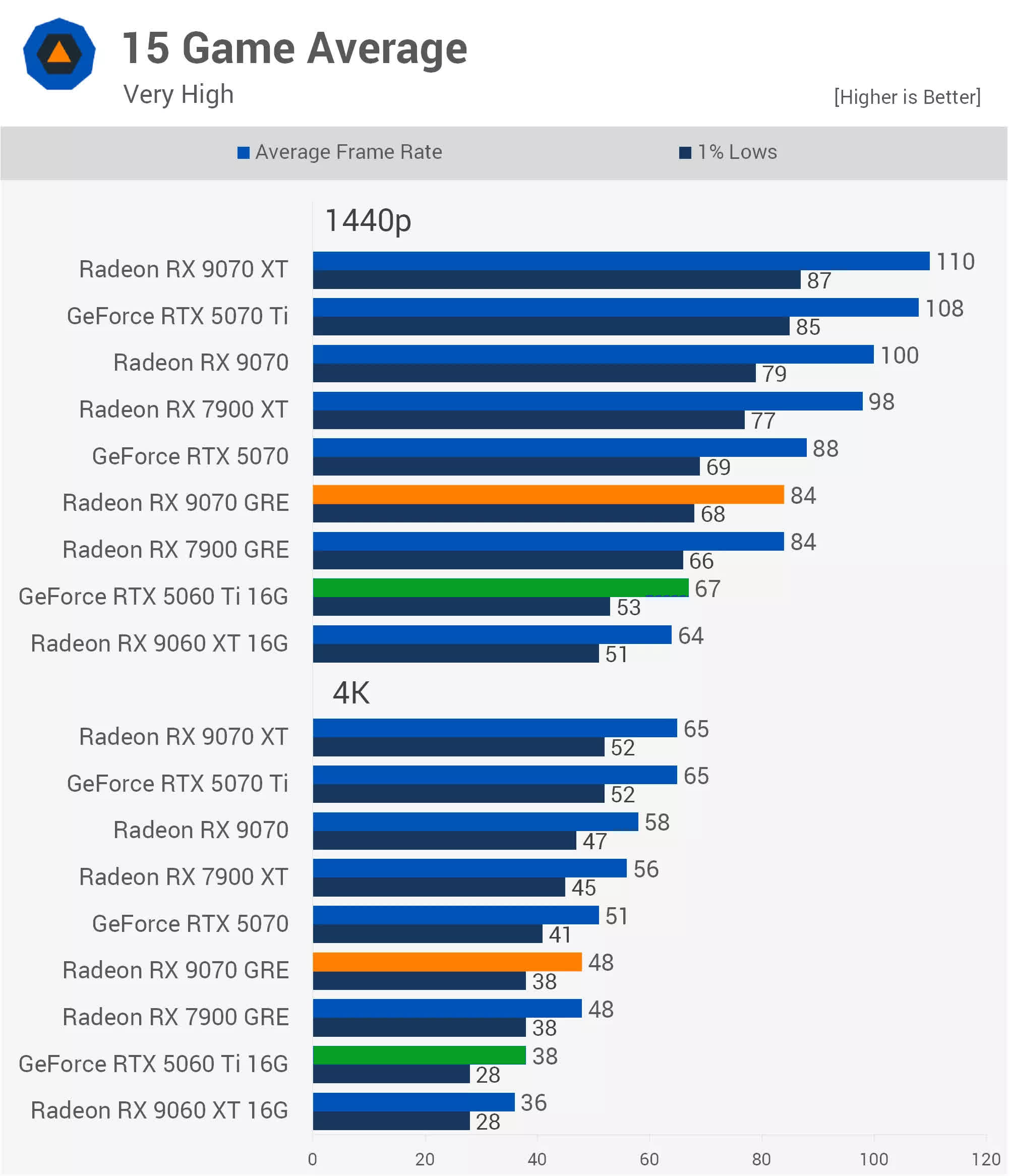
It's also a little over 30% faster than the 9060 XT 16GB. So although it has less VRAM than either of those cards, it's a fairly obvious choice given the performance difference. You should also be able to make do with 12GB of VRAM for a while yet.
Upper Mid-Range GPUs ($900 to $1,000)
If you want something faster than the 9070 GRE, there's the RTX 5070, but based on our testing, the GeForce GPU is only about 5% faster. Paying $900, a 23% premium, hardly seems worth it, especially when both cards come with just 12GB of VRAM.
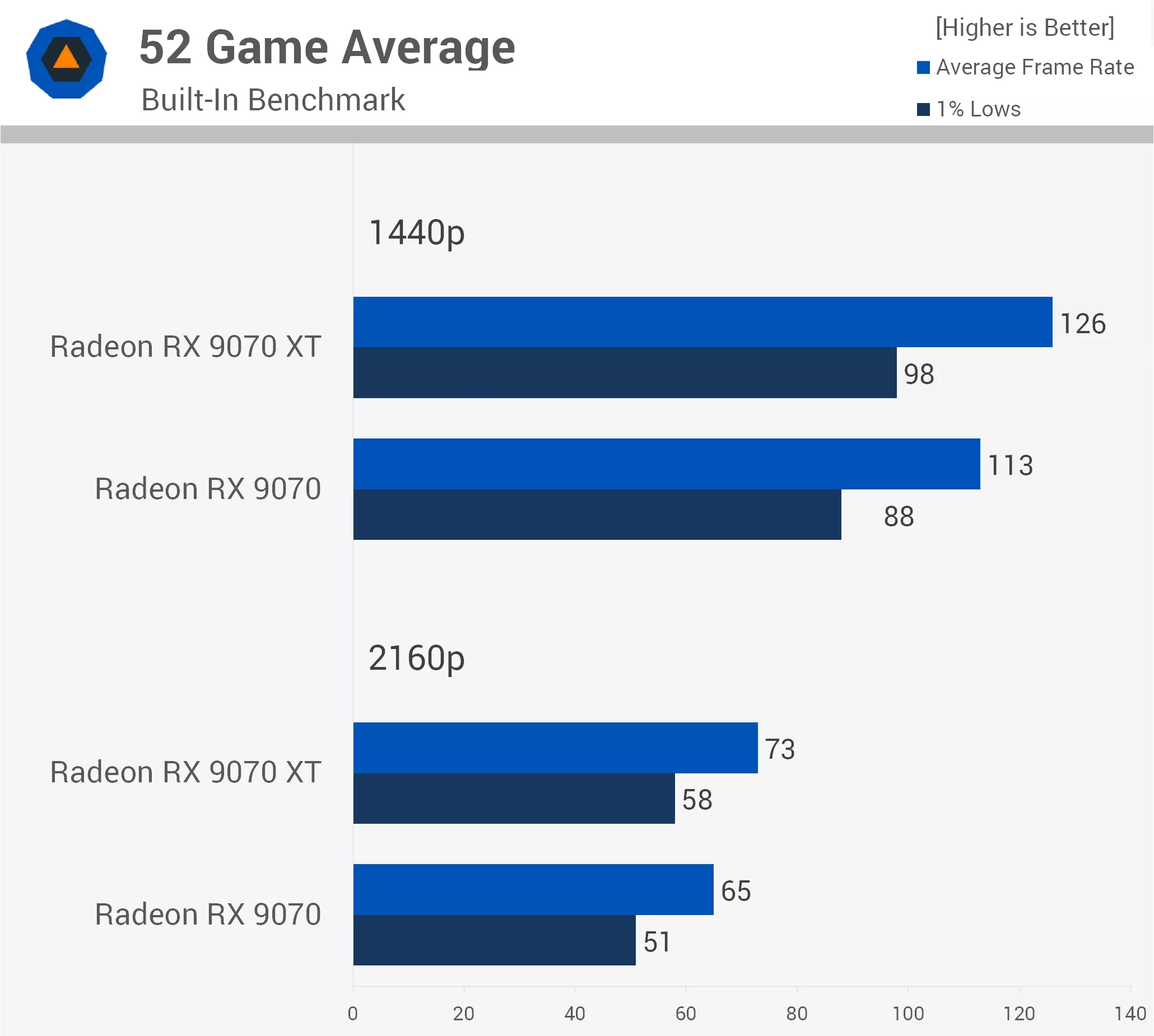
That leaves the Radeon RX 9070 and RX 9070 XT, and right now, for the most part, they cost about the same amount. Most RX 9070 models are priced at around $980, the same price as the XT version, though at the time of writing, Newegg has a Gigabyte Gaming model selling for $935, making it just 5% cheaper than the most affordable XT models.
The non-XT version is around 10% slower, so you'd want at least a 10% saving to justify buying it. Here in Australia, the non-XT models are around 10% cheaper, so you're looking at similar value down under, but that's not the case in the US.
As usual, it will come down to pricing and availability in your region. In the US, the 9070 XT is currently the way to go, whereas either version is viable here in Australia.
What remains constant is that the Radeon 9070 series offers gamers some of the best value available right now, even if the pricing is still quite terrible. As with everything else in this guide, we'd recommend holding off on buying one if you can.
High-End GPUs (Over $1,000)
GeForce RTX 5070 Ti: Very Difficult to Recommend
If you don't want to buy a Radeon GPU for whatever reason, and personally, we think you should seriously consider one, there are still options from Nvidia. Some people only have eyes for GeForce, but the question is just how much you're willing to pay for that privilege.
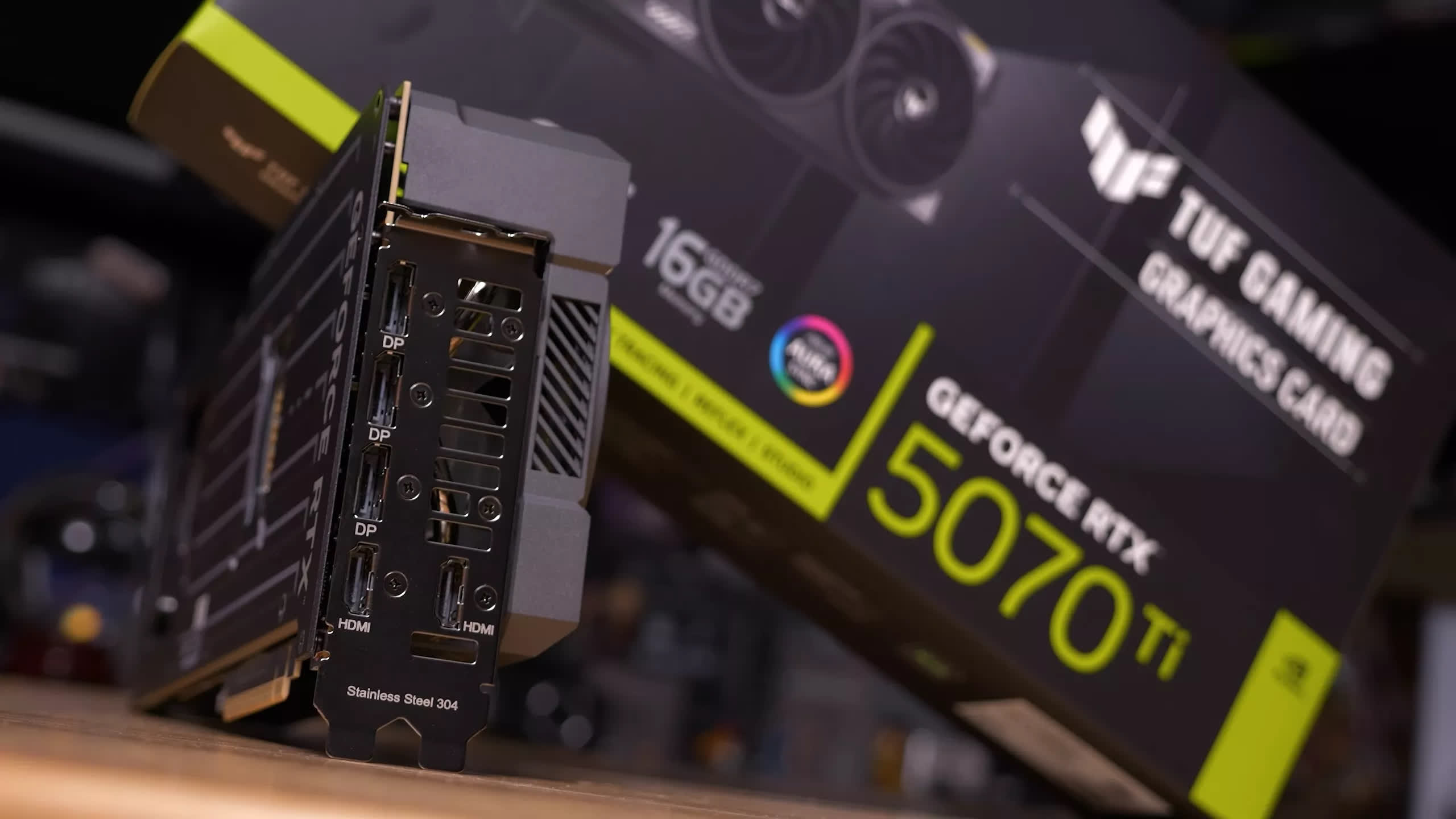
The answer, apparently, is $1,440 for a GeForce RTX 5070 Ti, a GPU that is technically on par with the Radeon 9070 XT. That's a 92% increase over MSRP and nearly 50% more than the 9070 XT for a similar level of performance and features.
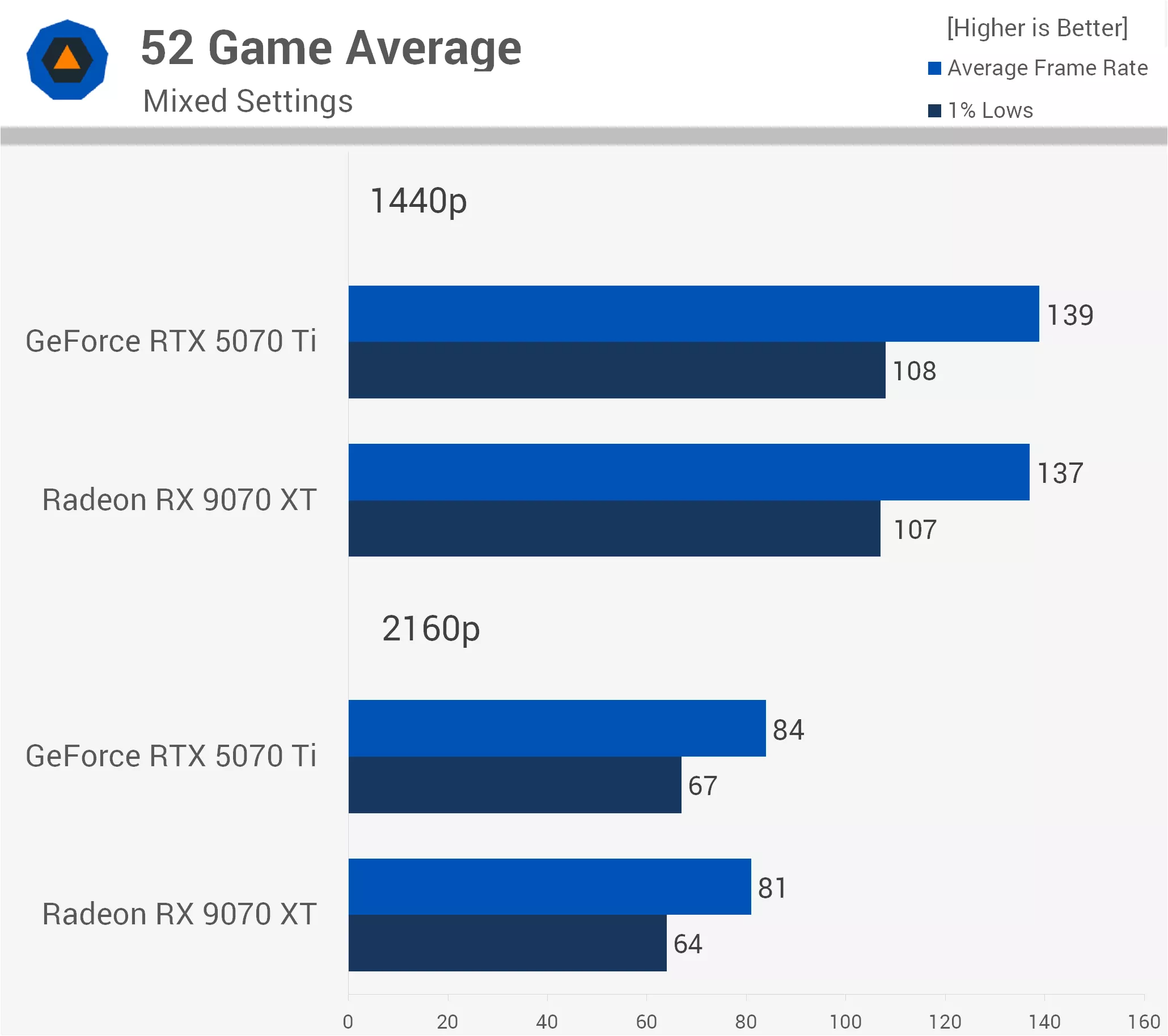
Yes, DLSS is still a little better, but the gap has narrowed considerably and is quickly becoming a non-issue for many gamers. There also doesn't appear to be much excitement among gamers for DLSS 5, not that we'd expect RTX 5070 Ti owners to make extensive use of it anyway.
There have also been efforts to get the technology running on Radeon hardware, so we're not sure how that's all going to play out for Nvidia. Suffice it to say, the company has had significantly bigger issues to deal with lately.
Of all the GPUs we've discussed so far, this one comes with one of our strongest "do not buy" recommendations, probably beaten only by a $500 RTX 5050 and the OEM version of the RX 9050, or any 9050 for that matter.
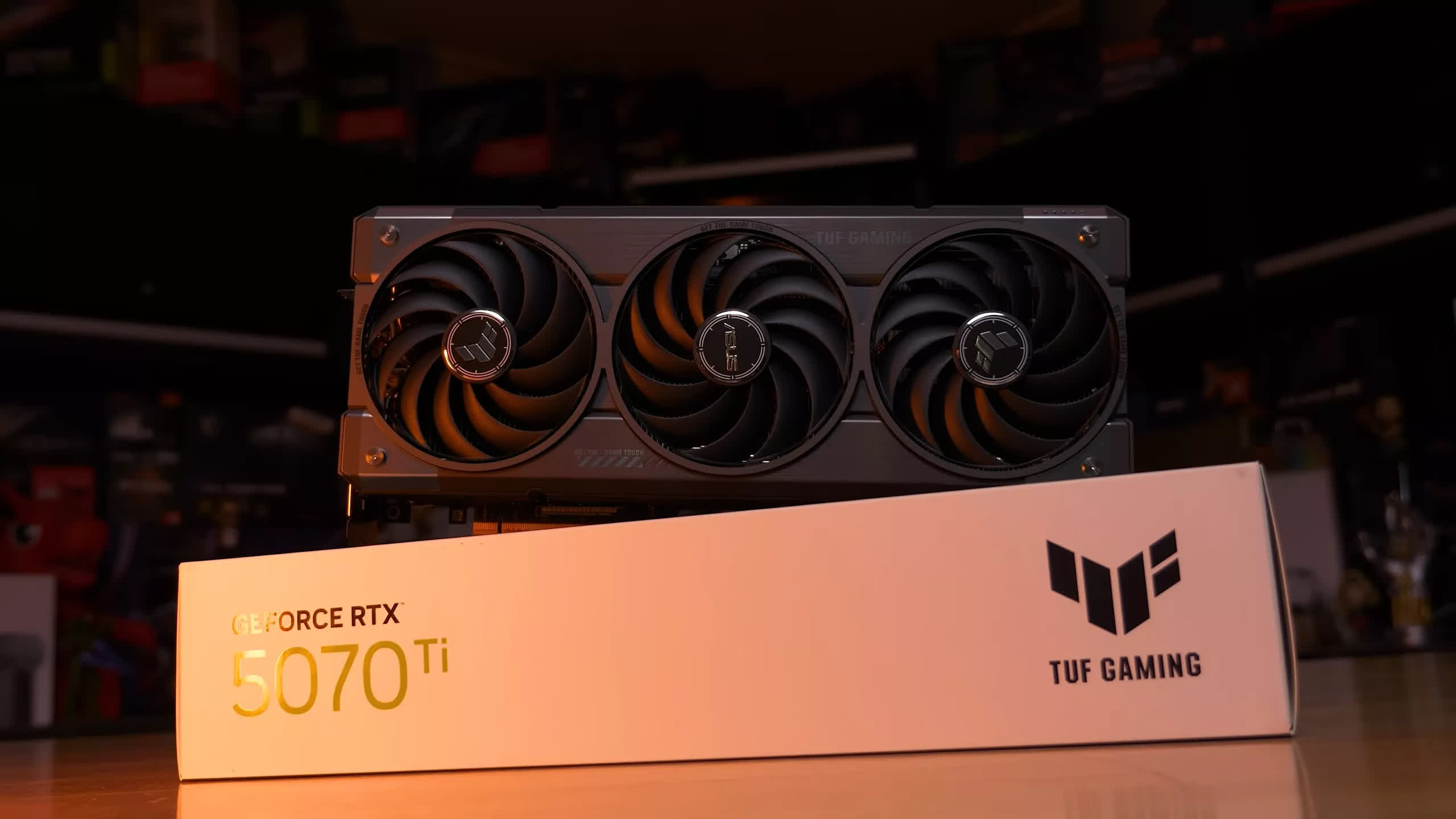
It's also worth keeping in mind that $1,440 is the starting point. Just a single model is available at that price, with most costing $1,500 or more. For those wondering about Australian pricing, the 5070 Ti costs $2,100 AUD locally, making it 56% more expensive than the 9070 XT.
Interestingly, back in January, Asus told us that it was placing its entire RTX 5070 Ti product line into end-of-life status due to limited supply. After we made that information public, Nvidia pushed back hard, and Asus subsequently walked back those statements and evidently continued producing RTX 5070 Ti graphics cards.
Ever since, though, they've been priced so far above MSRP that it's difficult to imagine many gamers buying them. With the 9070 XT now rapidly increasing in price, that could change, although we suspect the 5070 Ti will continue to be a tough sell.
Ultra High-End GPUs (Over $2,000)
GeForce RTX 5080: Still Not Worth It
Another GPU that Nvidia has seemingly unofficially canceled for the better part of a year now is the RTX 5080, and in more ways than one. It was already a fairly unappealing product to anyone familiar with the performance numbers at its $1,000 MSRP. That's a 33% premium over the 5070 Ti while still packing just 16GB of VRAM and offering only 15% greater performance on average at 4K.
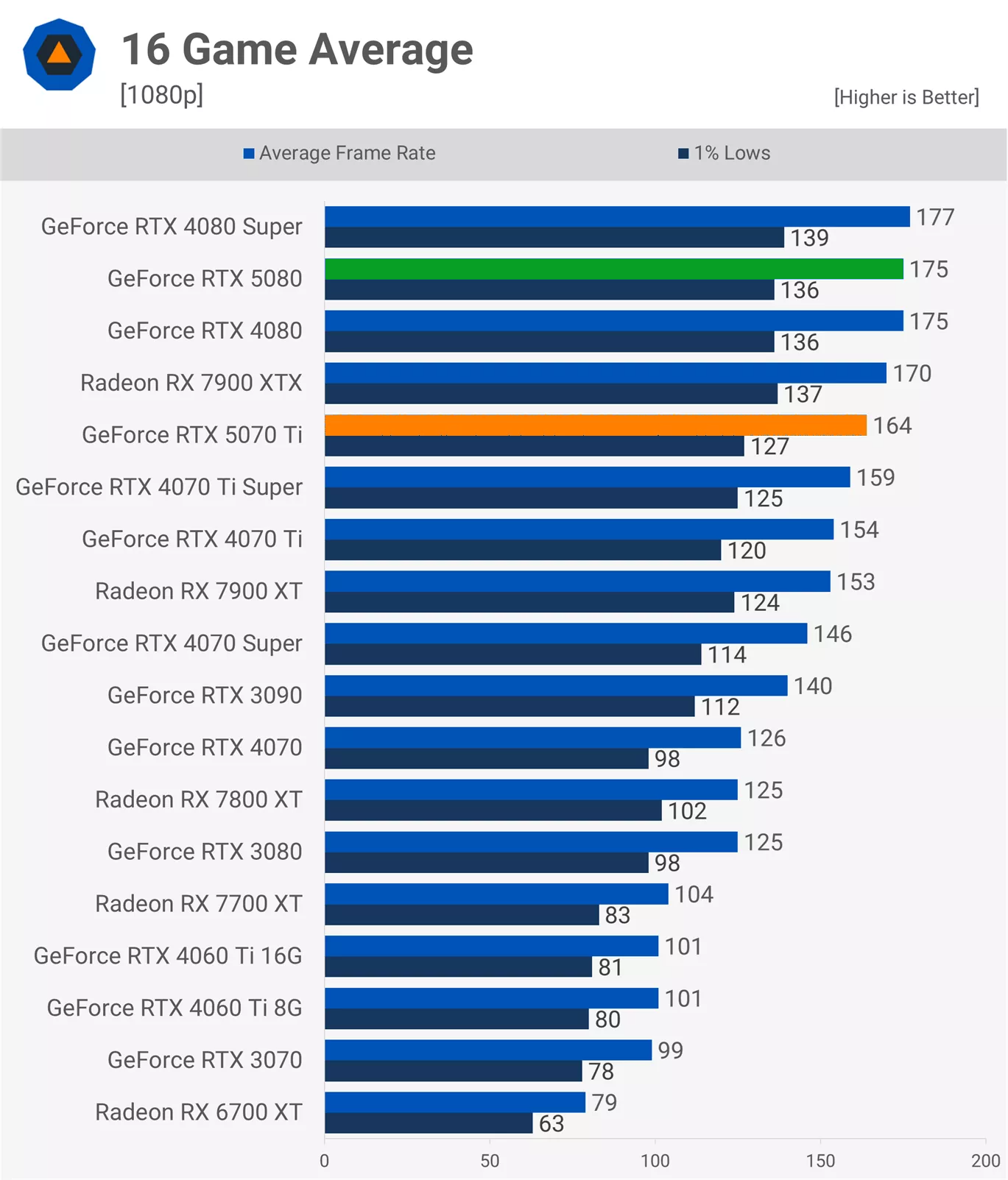
If we go back more than a year to June 2025, you could reliably buy the 5070 Ti for around $840, whereas at the same time, RTX 5080s were selling for $1,390 at best, an absurd 65% premium.
As things stand today, the RTX 5080 actually fares a little better relative to the 5070 Ti, coming in at a 53% premium, though at $2,200, we're not sure many gamers will count that as a win.
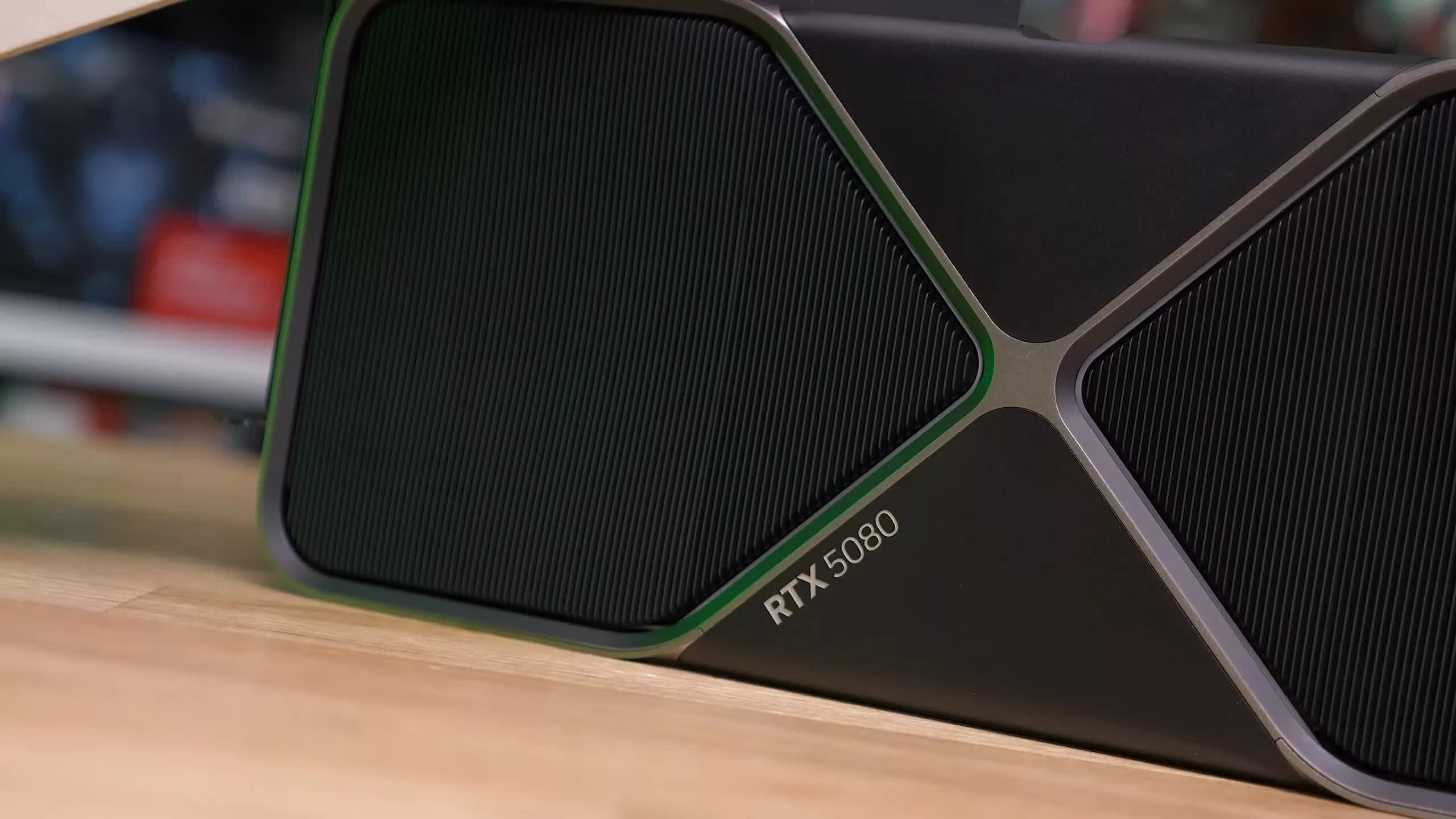
The RTX 5080 continues to be one of Nvidia's most pointless GeForce 50 series GPUs. It also currently costs 125% more than the Radeon 9070 XT for just 16% greater performance on average at 4K. Pretty amazing stuff.
What Is Even Money? (Seriously)
The $6,500 Nvidia GeForce RTX 5090
We'll come clean with you here. This is really more of a top three best GPU list because there simply aren't enough viable price points and products available at those price points right now. That said, if we count our two entry-level recommendations separately, the Arc B570 and RTX 5060 Ti 8GB, then it's technically a top four best GPU guide, so we got pretty close.
But if you're not accepting our questionable math on this one, may we introduce you to the GeForce RTX 5090? Yes, it's back. Nvidia said the RTX 5090 hadn't reached end-of-life status, and technically, the company was right. It just costs $6,500 now.
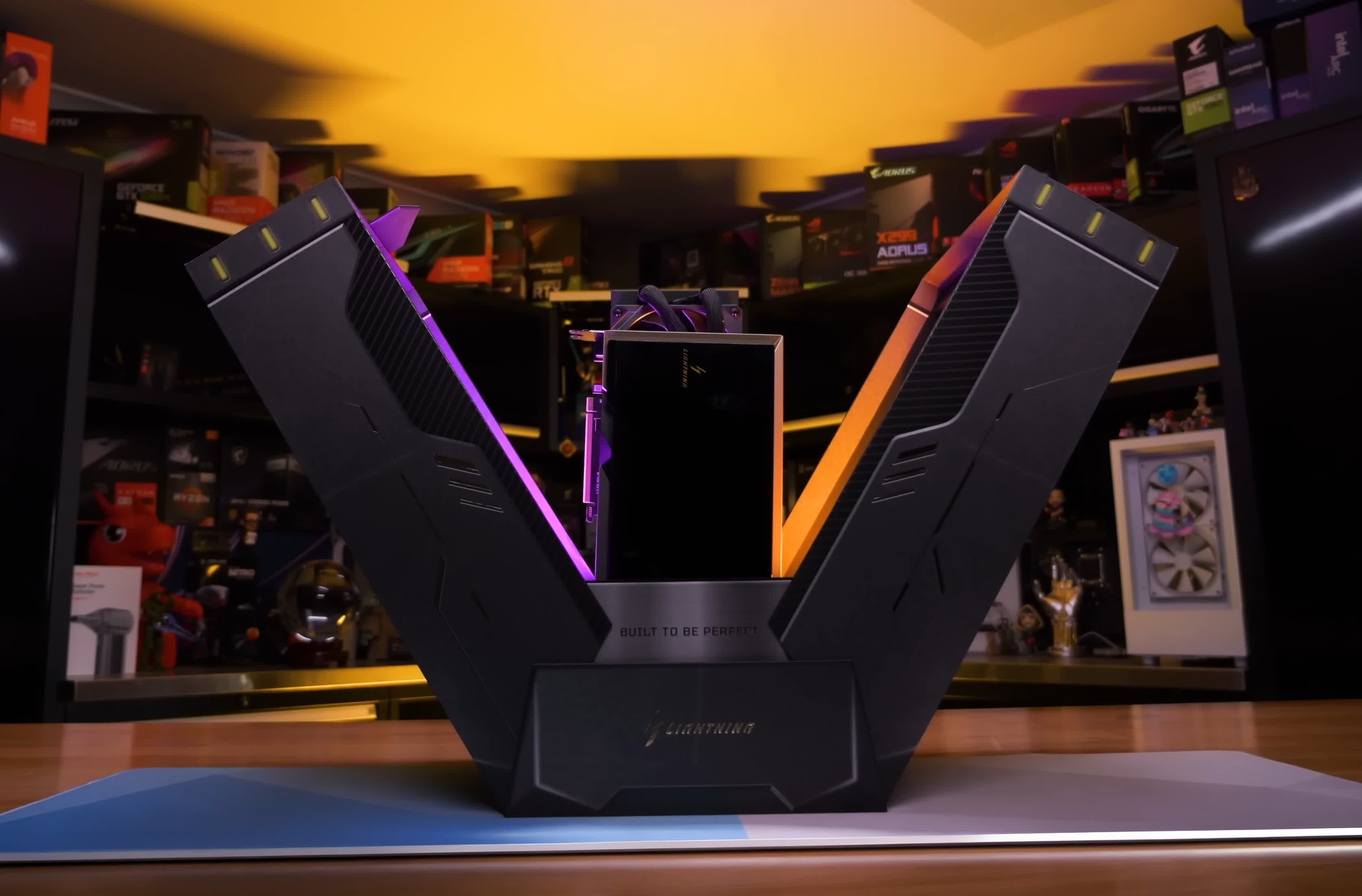
Of course, we always suspected this would be the situation. Nvidia has every incentive to divert GB202 silicon to its more profitable RTX Pro workstation and AI GPUs. Why sell an RTX 5090 for $5,000 or more when you can sell an RTX Pro 6000 for upwards of $16,000?
Nvidia has spent the better part of a year operating in a market where demand for its silicon far exceeds the available supply, and the company is taking full advantage of that situation. Apparently, those of you willing to part with a mere $2,000 for a gaming graphics card are no longer Nvidia's target demographic.
The RTX 5090 remains the fastest gaming GPU money can buy, and by a considerable margin. Unfortunately, that's about the only justification we can offer for buying one at its current price.
As for everyone else, the advice we started this guide with still stands. If your current graphics card is getting the job done, hang on to it. There are better things to spend your money on, and right now, almost anything qualifies.