California's largest AI data center is suing for access to 287 million gallons of Colorado River water a year

midian182

Posts: 11,771   +179
Staff member
A hot potato: Once again, an AI data center is embroiled in controversy. This time, it's not land, electricity, or tax breaks under the spotlight, but water – specifically, water from the Colorado River. And the company behind the facility is suing to get it.
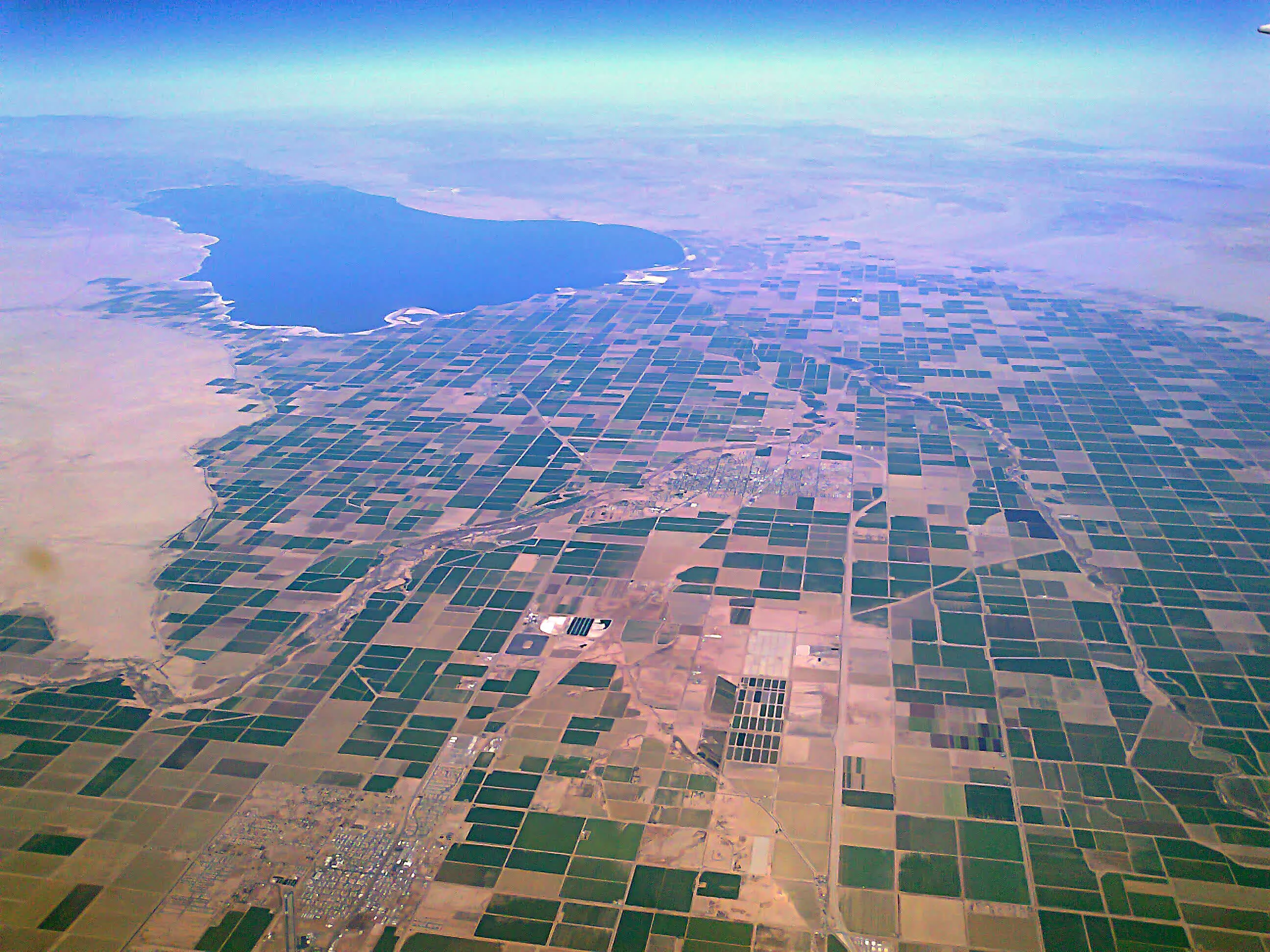
Imperial Valley Computer Manufacturing (IVCM), the company behind what could become California's largest AI data center, is suing the Imperial Irrigation District (IID) after the publicly owned utility rejected its application for water.

The proposed $10 billion, 950,000-square-foot, 330-megawatt facility would require roughly 750,000 gallons per day for cooling, or about 287 million gallons annually.

That amount equals around 880 acre-feet, just 0.03% of IID's 3.1 million-acre-foot annual entitlement. However, the Colorado River is Imperial Valley's only source of fresh water and supplies between 35 million and 40 million people across the West. Federal officials are preparing new operating rules as reservoirs remain under pressure from prolonged drought and weak runoff.

Developer Sebastian Rucci argues that the project wouldn't increase overall demand. IVCM has leased 160 acres of nearby farmland and plans to stop irrigating it, redirecting roughly the same amount of water to the data center.

The company says the facility would create 1,688 construction jobs, more than 100 permanent positions, and nearly $3 billion in economic impact over 30 years in a county where unemployment reached 17.6% in June.
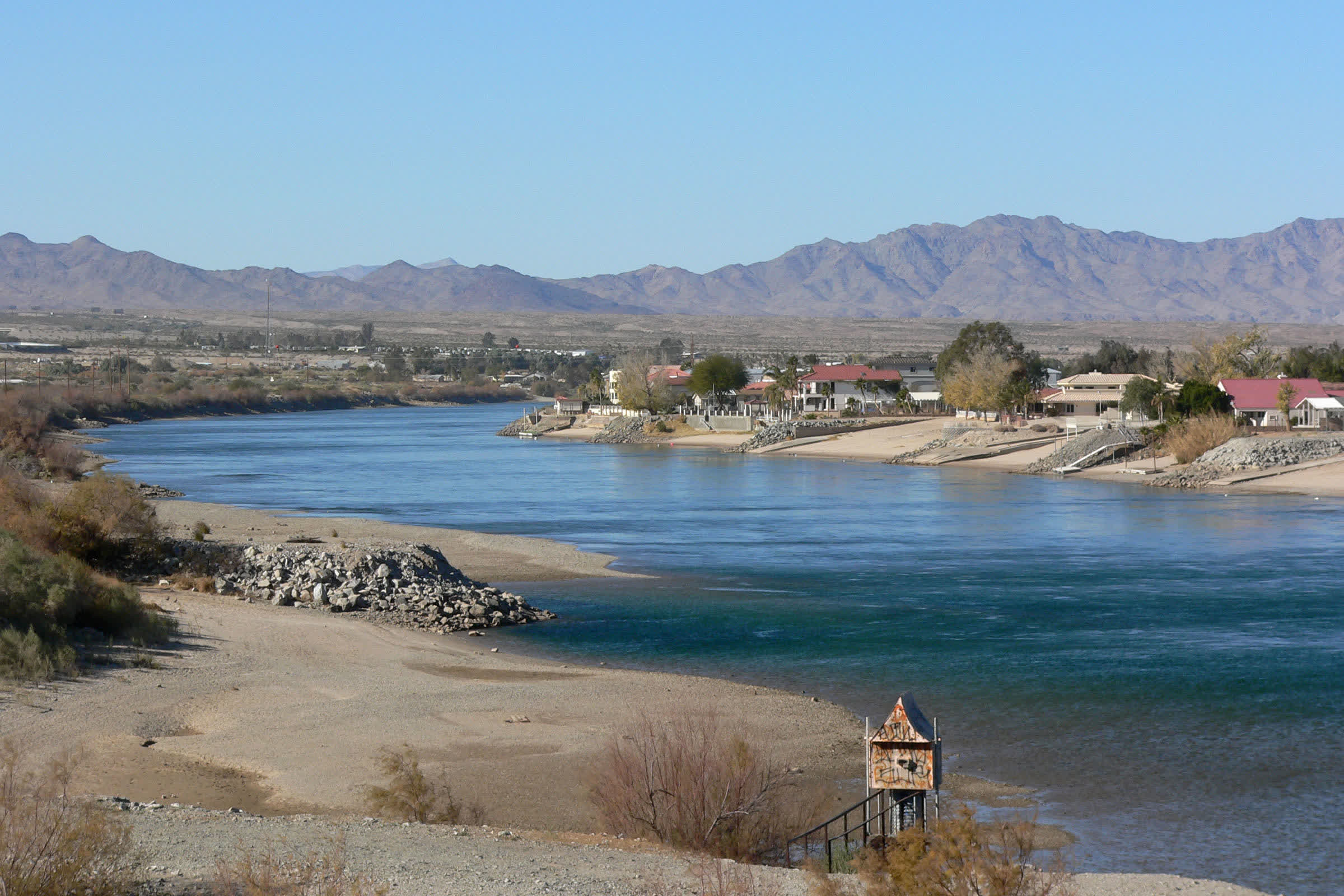
That pitch might sound enticing, but it hasn't won over the project's opponents. Water rights in Imperial Valley are held in trust and administered by IID rather than belonging outright to individual landowners. Critics fear that allowing private deals to shift agricultural water toward data centers could weaken public control and encourage more farmers to sell access to water instead of growing crops.

Imperial County has imposed a temporary moratorium on new data center projects while a commission reviews its rules.

While fallowing 160 acres is unlikely to threaten America's food supply, what's worrying people here is the potential precedent. Agriculture supports not only landowners but farmworkers, equipment suppliers, repair shops, transport companies, and other businesses. Once water becomes more valuable for powering AI than growing produce, the economic effects could spread beyond the fields being taken out of production.

The lawsuit arrives amid rapidly growing hostility toward data centers, especially over water use. There were the Georgia residents who blamed nearby facilities for water problems, a Fayette County data center that consumed 29 million gallons before receiving a bill, and Virginia's soaring data center water use. In Chile, facilities have been accused of worsening a 1,000-year drought, while wastewater from Meta's unfinished Cheyenne site recently introduced a rare bacterium into the city's reclaimed-water system.

Permalink to story:

 
The datacenter is asking for 0.03%, a quantity that doesn't even register .. and it's denied to them???

I remember the IID Board of Directors was involved in various dark funding corruption scandals. If the purpose of the bribes was to stop a datacenter, apparently the dark money comes from China.

But the datacenter company is also at fault. I mean, who in their right mind builds something in California??? There are so many normal places around to build whatever you like.
 
But the datacenter company is also at fault. I mean, who in their right mind builds something in California??? There are so many normal places around to build whatever you like.

Tech jobs/support. Also remember that land in rural California is dirt cheap.
 
The precedent concern is the real issue here, not the 0.03% figure.

Once a private AI operator can sue a public water district, lose the administrative process, then force the question into court by claiming “we’ll just fallow some leased farmland and it’s a wash,” you’ve opened the door. Every subsequent project can run the same playbook: buy or lease a bit of ag land that already has a delivery right, stop irrigating it, and demand the water be re-characterized as industrial/cooling use. Courts are not designed to be water-policy bodies; they’re designed to decide whether a specific denial was arbitrary under existing rules. If the rules are weak or the district is pressured, the lawsuit becomes the path of least resistance.

Water rights in the Imperial Valley are held in trust by IID for the benefit of the district’s users and the broader Colorado River system, not as freely transferable private assets that can be flipped to the highest-value industrial use on a project-by-project basis. Treating them that way changes the incentive structure for landowners and weakens the public control that was the whole point of the trust arrangement. The 160-acre fallowing plan may be a net-zero volume claim on paper, but it still converts ag water into permanent industrial demand and sets the template for the next operator who wants a larger slice.

The economic pitch (jobs, tax revenue, construction employment in a high-unemployment county) is real and should be weighed. But once the mechanism is “sue until the resource is reallocated,” the resource decisions start being driven by whoever can sustain the legal costs rather than by elected or appointed water managers operating under public-interest criteria. That is the dangerous precedent.
 
The precedent concern is the real issue here, not the 0.03% figure.
Translation: "don't confuse me with facts and figures, my mind is made up."

Every subsequent project can run the same playbook: buy or lease a bit of ag land that already has a delivery right, stop irrigating it, and demand the water be re-characterized as industrial/cooling use.
What's your point? If they do so, they are not increasing demand by one single drop. Therefore, any claims the change would "increase demand" or "imperil water resources" is prima facie false. Public water is public ... and that includes public companies (which are owned by members of the public) as well as private citizens. If you bought land in Colorado with a house on it, and tore it down to build a newer home, would you have the right to sue if the local utility denied to sell you any water?
 
@Endymio
Translation: "don't confuse me with facts and figures, my mind is made up."

Note I did not dispute the 0.03% figure. My comment was about who has authority to approve or deny the transfer.

What's your point? If they do so, they are not increasing demand by one single drop. Therefore, any claims the change would "increase demand" or "imperil water resources" is prima facie false. Public water is public ... and that includes public companies (which are owned by members of the public) as well as private citizens. If you bought land in Colorado with a house on it, and tore it down to build a newer home, would you have the right to sue if the local utility denied to sell you any water?

Nobody said the project would magically create new demand for Colorado River water. The argument is that converting agricultural allocations into industrial allocations changes who gets the water and who gets to make that decision.

Those are governance questions, not arithmetic questions.

Your homeowner analogy fails because a homeowner asking for utility service isn't asking a court to override a water district's decision on the reallocation of existing water rights.
 
Now like never before is the time to increase spending on next gen cooling that requires little to no water.
I was never a hater of AI, but their greed for resources that people need more could make me one eventually.
This is year 2026 and they still waste immense amount of water while datacenters have grown exponentially. They should be forced to invest in the new cooling methods just as they begin to invest in their own electricity sources.
 
FACT: You do not need to use potable water to cool a data center. Gray water works just fine.
The bigger issue is whether the treated wastewater supply is already critical to the community's water balance. In areas where reclaimed water is heavily allocated, a large data center can still create resource pressure even without using drinking water.
 
Note I did not dispute the 0.03% figure.
Good, because the figure is wrong. The actual amount of new usage is 0.00%. Nothing.

My comment was about who has authority to approve or deny the transfer.
We have 250 years of case law in this country that government does not have unlimited authority to make decisions, especially when they transgress the rights of property owners.

Nobody said the project would magically create new demand for Colorado River water.
LOL, what? Countless people have implied just that, starting with the click-bait article headling itself.

The argument is that converting agricultural allocations into industrial allocations changes who gets the water and who gets to make that decision.
They are both commercial users of water. Government does NOT have the authority to value one user over another, based not on the effects on the water system but merely on how that water will be used.

Your homeowner analogy fails because a homeowner asking for utility service isn't asking a court to override a water district's decision
Oops! You are claiming governments do have the right to make such decisions. So what if they did -- but made them against a private resident, rather than a private company. Don't dodge the question-- answer it.
 
Last edited:
I've been hearing warnings about California being a drought for the last 20 years. So, either they aren't in a drought (and haven't been forever, it's just fear mongering) OR corporate interests matter more than the residents of the state.
 
Back