GrapheneOS says its data-wiping "duress" password is perfectly legal, after user faces federal charges

Alfonso Maruccia

Posts: 2,621   +983
Staff
Get Off My Phone: The recently unveiled case brought by the US Department of Justice against a GrapheneOS user is rekindling debate around privacy and effective operational security on mobile devices. The GrapheneOS Foundation has joined that debate, reaffirming some key points about the operating system's security features and whether previously deleted data can ever be recovered.
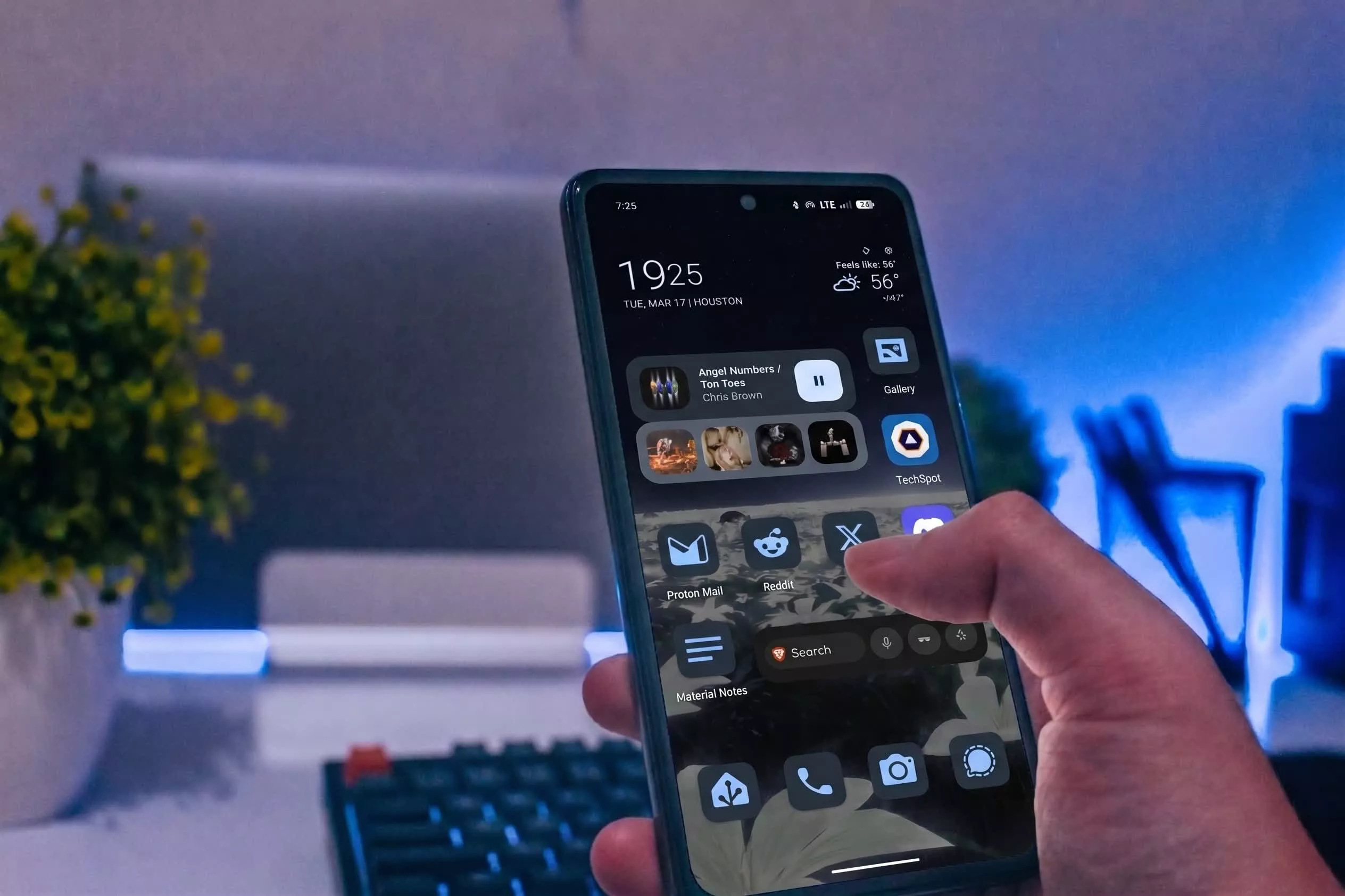
According to the GrapheneOS Foundation, the operating system that got Sam Tunick prosecuted by the US government has nothing to do with unlawful practices. The Toronto, Canada-based non-profit joined the fray to defend its open-source OS, which it maintains is a completely legal platform under US law.

The foundation says it has no obligation to weaken GrapheneOS features designed to improve user and data security. The Android-based OS, it argues, is protected by the US Constitution, meaning no one can (theoretically) be prosecuted for creating, developing, or even using the platform on their devices.

The foundation also believes any new law designed to make the software or its security features illegal would likely be unconstitutional. Similarly, the organization confirmed that once data has been wiped from a GrapheneOS-powered phone, there's no way to recover any of it.

The software, and the hardware it's compatible with (Google Pixel phones for now) is designed specifically to prevent attempts to bypass or tamper with data encryption.
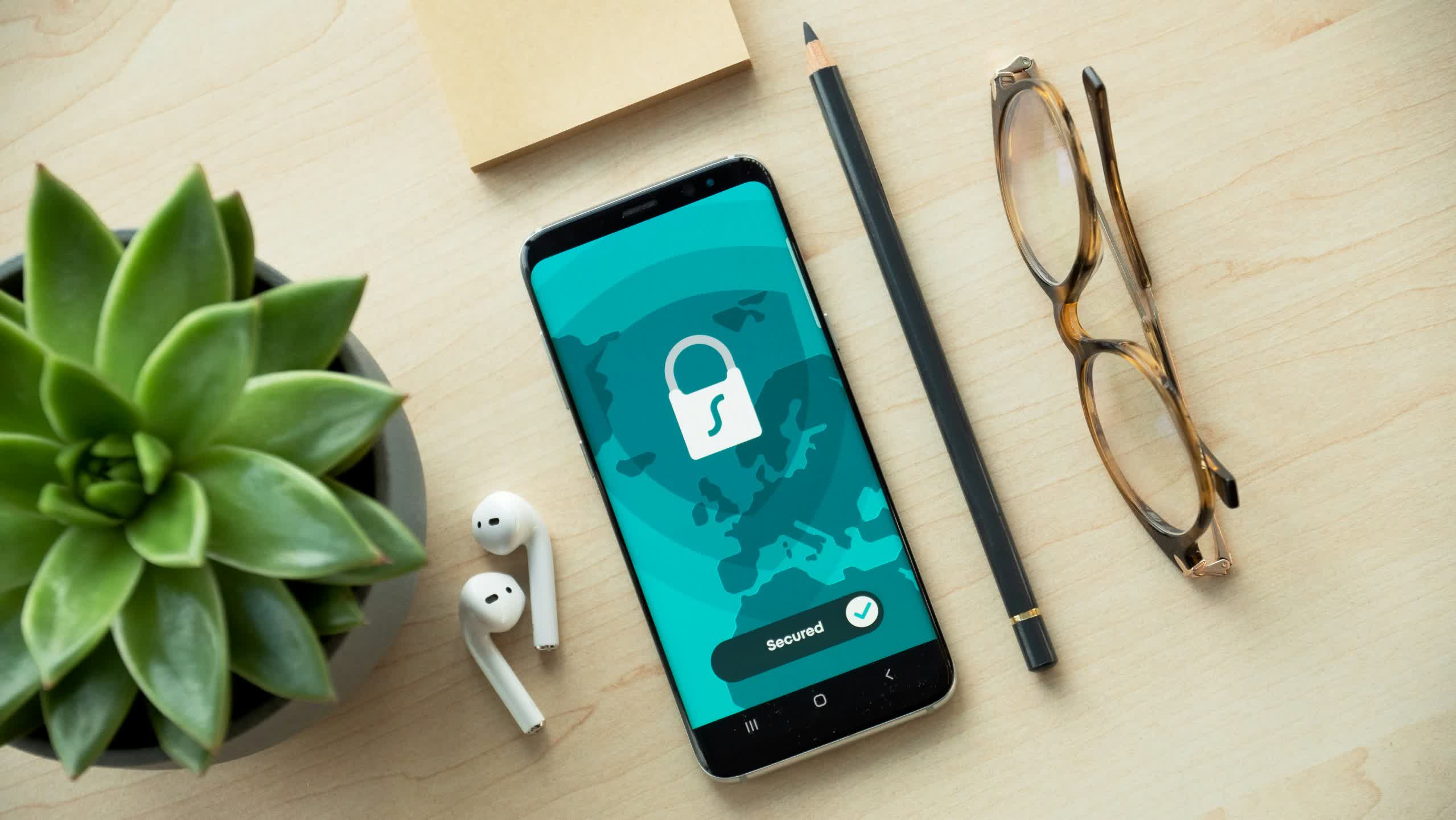
Tunick ran into trouble after providing a US Customs and Border Protection officer with a "duress password," one of GrapheneOS' options for strengthening a user's right to privacy. Once used to forcibly unlock a phone, the duress password/PIN wipes all data on the device, including eSIM content. The process happens instantly, can't be stopped, and is irreversible.

The GrapheneOS Foundation has since tried to downplay the importance of duress passwords for the platform's security. The feature, the organization said, is just a minor option within a much broader security model. It can also carry physical or legal consequences, which is why users should carefully weigh whether it's the right approach for outsmarting attackers or coercive enforcement attempts by federal agents.

The lawyer representing Tunick against the US government said the border agent failed to read Tunick his Miranda rights, as required, and ignored his requests to speak with a lawyer. The lawyer is now trying to get a US judge to dismiss all evidence recovered in the case, arguing that Tunick's constitutional rights were violated.

Permalink to story:

 
Would be interesting to see which part of the constitution they believe protects it.
My opinion is that Graphene OS should be able to offer that "duress password" as an option; free speech protects the code needed to write those functions. If it is your phone, you should be able to wipe it whenever you choose too, or set the wipe command to be whatever you want it to be. However, if someone uses that option to wipe the phone before a legitimate government investigation then that person should subject to the same penalty they would get if they destroyed potential evidence by other methods, like slamming the phone into the ground.
 
Last edited:
A few things I love about this case
>this did not happen on US land so US law shouldn't apply
>he did not destroy evidence, the investigators did. He just gave them a code and the investigators entered it
>it can't be proven that the investigators didn't enter the code incorrectly

There is protocol for how these devices are supposed to be handled and the investigators screwed up in basically every step of the process.

But here is the thing about grapheneOS, it encrypts itself after a few hours of not being used
 
A few things I love about this case
>this did not happen on US land so US law shouldn't apply
>he did not destroy evidence, the investigators did. He just gave them a code and the investigators entered it
>it can't be proven that the investigators didn't enter the code incorrectly
It was in Atlanta’s airport - so it was on US land.
And the only way for all the data to be deleted would have been using the duress password - an “incorrect password” would simply have encrypted the data.

Of course, by not allowing a lawyer and reading rights, they messed up… and I still don’t think it should be illegal to wipe your phone - although in this case, it probably was.
 
It was in Atlanta’s airport - so it was on US land.
And the only way for all the data to be deleted would have been using the duress password - an “incorrect password” would simply have encrypted the data.

Of course, by not allowing a lawyer and reading rights, they messed up… and I still don’t think it should be illegal to wipe your phone - although in this case, it probably was.
What im saying is that we don't know if the real password and duress password were similar enough that a typeo could have activated it. I also saw somewhere that airports are not sovereign land. You dont technically enter the country until you leave the airport
 
What im saying is that we don't know if the real password and duress password were similar enough that a typeo could have activated it. I also saw somewhere that airports are not sovereign land. You dont technically enter the country until you leave the airport
Once you hit customs, you are on US soil…
 
A few things I love about this case
>this did not happen on US land so US law shouldn't apply
Get ready to post another refrigerator photo, as you have again made an absurd factual error: this happened at Atlanta International Airport.

>he did not destroy evidence, the investigators did.
Oops again! It was his act of providing a self-destruct code that led to the destruction. Your juvenile argument is like claiming had he handed the police a booby-trapped briefcase, rigged to explode, that whoever opened the case was guilty of the deaths and destruction that resulted, not him.

>it can't be proven that the investigators didn't enter the code incorrectly
Of course it can.

There is protocol for how these devices are supposed to be handled and the investigators screwed up in basically every step of the process.
Who told you something so absurd? You're confusing a routine border search with a criminal investigation.
 
Last edited:
Once you hit customs, you are on US soil…
My point is that the case lacks consistency. Either he didn't have 4th amendment rights because he wasn't in the US meaning the US can't charge him for a crime or he was on US soil requiring a warrant to search his phone. Either way, the strength of what he is charged with is in question
 
My point is that the case lacks consistency. Either he didn't have 4th amendment rights because he wasn't in the US ...
He was in the US. Do you believe Atlanta is located in Zimbabwe?

...or he was on US soil requiring a warrant to search his phone.
Hello, and welcome to Planet Earth. Hope you enjoy your stay:

"....The border search exception allows federal authorities to conduct routine, warrantless searches and inspections of people and property entering or leaving the United States without any individualized suspicion, probable cause, or a warrant...."

 
He was in the US. Do you believe Atlanta is located in Zimbabwe?


Hello, and welcome to Planet Earth. Hope you enjoy your stay:

"....The border search exception allows federal authorities to conduct routine, warrantless searches and inspections of people and property entering or leaving the United States without any individualized suspicion, probable cause, or a warrant...."

Get ready to post another refrigerator photo, as you have again made an absurd factual error: this happened at Atlanta International Airport.


Oops again! It was his act of providing a self-destruct code that led to the destruction. Your juvenile argument is like claiming had he handed the police a booby-trapped briefcase, rigged to explode, that whoever opened the case was guilty of the deaths and destruction that resulted, not him.


Of course it can.


Who told you something so absurd? You're confusing a routine border search with a criminal investigation.
1000000502.jpg
 
My point is that the case lacks consistency. Either he didn't have 4th amendment rights because he wasn't in the US meaning the US can't charge him for a crime or he was on US soil requiring a warrant to search his phone. Either way, the strength of what he is charged with is in question
It does not lack consistency. There is a border exemption to the 4th amendment, which has existed since 1789.

It was literally written in there by the founding fathers themselves. It is not unconstitutional to search your device at a border crossing without a warrant. When you travel into the us via airplane, that airport is considered a border crossing.
 
Back