It's not just memory anymore: AI data centers are taking all the CPUs, too

Daniel Sims

Posts: 2,457   +74
Staff
Ripple effect: Ongoing AI datacenter construction has created shortages of DRAM and NAND that manufacturers say will impact prices for years, but memory isn't the only component that datacenters require. Recent reports indicate that manufacturers are also facing shortages of CPUs that might further increase prices.
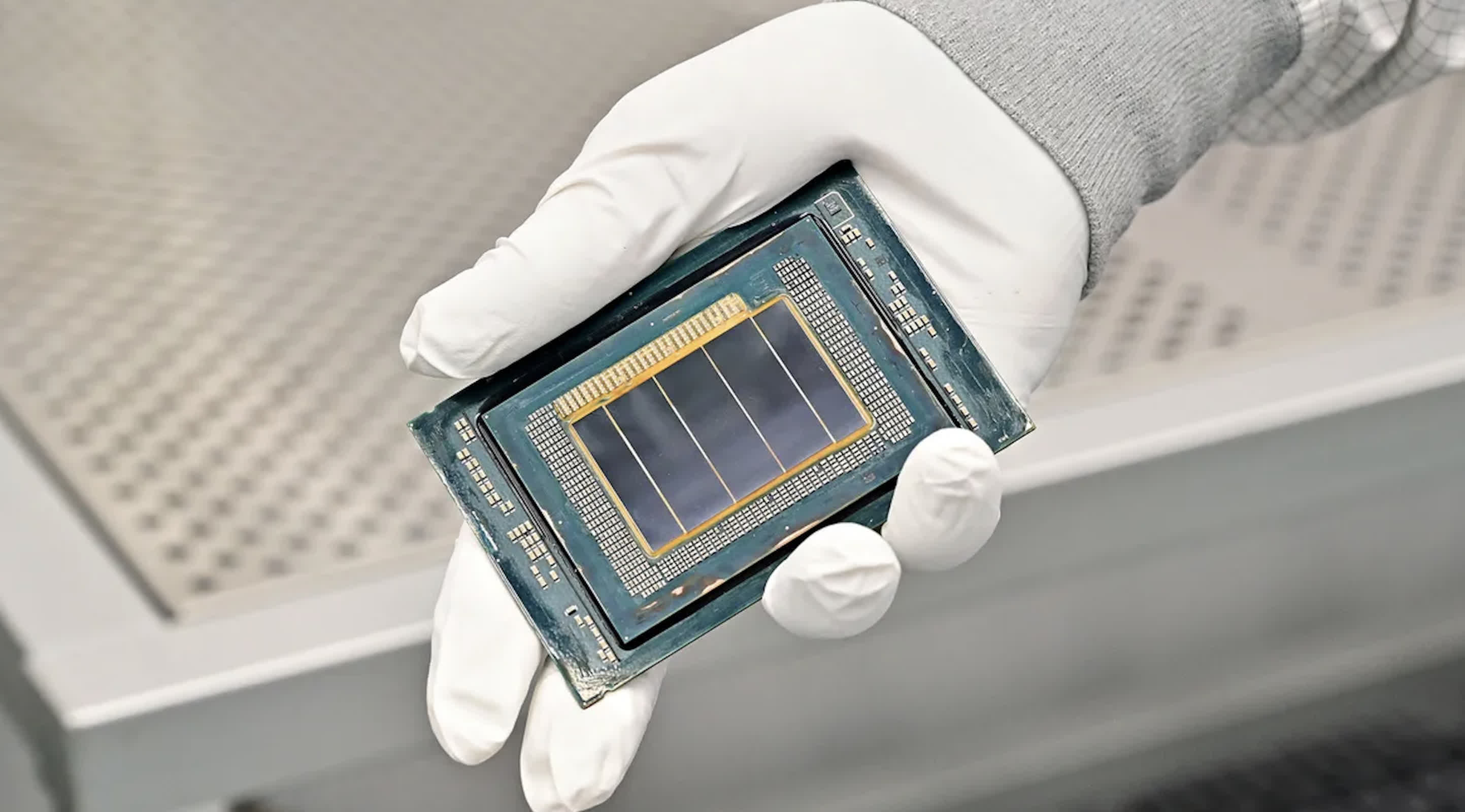
PC and server manufacturers recently informed Nikkei Asia that they are no longer receiving enough processors from Intel and AMD to satisfy demand. Server and OEM PC manufacturing could face delays, and prices might rise by 10% to 15%.

Companies such as Dell and HP report that delays and shortages have worsened in recent months. One server manufacturer stated that lead times have lengthened from two weeks to several months, and other sources report that delays and shortages could become even more severe in the second quarter of 2026. While Intel's foundries partially insulate it from the problem, AMD must compete with other chipmakers for semiconductors.
TrendForce reported disruptions in Intel and AMD CPU supply chains earlier this month, which might contribute to rising prices that threaten to eliminate the entry-level laptop market. Earlier this year, Intel and AMD also acknowledged CPU demand spikes and supply shortages. The problem compounds other issues caused by memory shortages, which have also led to delays and price hikes.

Since AI datacenters require massive amounts of RAM and storage, the ongoing AI boom has diverted DRAM and NAND manufacturing capacity previously intended for consumer PCs and other electronics. DDR5 memory has become so expensive that PC upgrade cycles have stalled, as users try to save money by sticking to older processors and motherboards that support DDR4.
Laptop prices have also increased, and Valve was forced to delay its upcoming Linux mini PC, the Steam Machine. Micron shuttered its nearly three-decade-old consumer RAM business, and other manufacturers predict that the crisis could last into 2030.
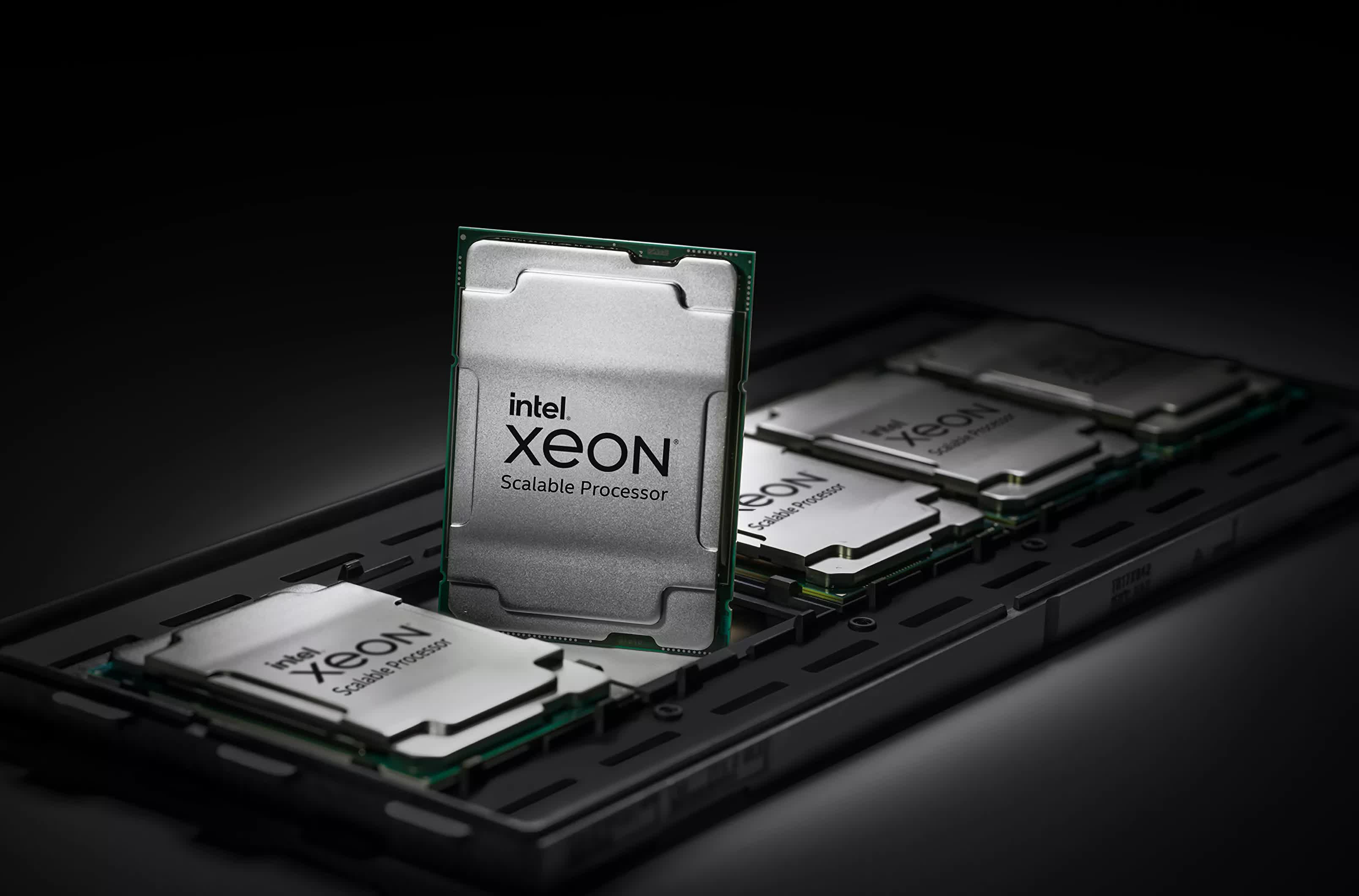
However, Arm is one company that sees an opportunity in the ongoing demand for datacenter hardware. While Arm normally licenses its IPs and delivers reference designs to other manufacturers, the company recently unveiled the first independent product in its 35-year history, the AGI CPU.

Arm's big wager that it can satisfy demand for agentic AI processors unmet by Intel and AMD server CPUs is already receiving support from Meta, Cloudflare, SK Telecom, Lenovo, OpenAI, and many other companies.

Permalink to story:

 
This is the end of the democratization of computing hardware as we know it.

From here on out, I think that we're going to start seeing a lot more components being integrated similar to how SoCs are made today. Gone will be the days of fully modular systems in that PCs will look more like NUCs and Apple Minis.

I mean, if you think about it from a purely business point of view, it makes manufacturing a whole lot easier and cheaper since you've reduced the required SKUs down to maybe a handful. Good for business but bad for enthusiasts but then again... why should they care? Profits are the name of the game and manufacturing costs are going up with hardware manufacturing complexities.
 
If people saw how much of this hardware is sitting idle in warehouses because they simply can't turn data centers on after building them they would be flabbergasted. Buying more hardware does nothing if you can't use it, that's why we have ideas like data centers in space

Everyone should hit the pause button on buying hardware until we can use all the hardware. I've heard lots of things saying that 25% of data centers are dark, but I've heard that number could be closer to 40%.

Gotta keep feeding those money furnaces, though. Can we build power plans that use money burning technology? It might be cheaper to just burn money to produce electricity than coal or gas.
 
This is the end of the democratization of computing hardware as we know it.

From here on out, I think that we're going to start seeing a lot more components being integrated similar to how SoCs are made today. Gone will be the days of fully modular systems in that PCs will look more like NUCs and Apple Minis.

I mean, if you think about it from a purely business point of view, it makes manufacturing a whole lot easier and cheaper since you've reduced the required SKUs down to maybe a handful. Good for business but bad for enthusiasts but then again... why should they care? Profits are the name of the game and manufacturing costs are going up with hardware manufacturing complexities.
I think you're jumping the gun a bit here.

Packaging the hardware on a SoC isnt going to improve the supply of chips, and making big SoCs isnt cheap. Look at the cost of Strix Halo vs a dedicated GPU and CPU that can beat it.

These price increases are coming form pure greed, despite the "shortages" we have no issue finding anything. Nothing is sitting out of stock. Its just expensive, all the prices are jacked up as everyone tries to squeeze profit out of the market before the next collapse.
 
If people saw how much of this hardware is sitting idle in warehouses because they simply can't turn data centers on after building them they would be flabbergasted. Buying more hardware does nothing if you can't use it, that's why we have ideas like data centers in space

Everyone should hit the pause button on buying hardware until we can use all the hardware. I've heard lots of things saying that 25% of data centers are dark, but I've heard that number could be closer to 40%.

Gotta keep feeding those money furnaces, though. Can we build power plants that use money burning technology? It might be cheaper to just burn money to produce electricity than coal or gas.
If I'm not mistaken it's not just hardware that sits in warehouses but much of this supposed hardware does not exist, it's just PROMISED hardware.

In any case, I'm hoping that when the bubble pops maybe instead of buying cheap parts I can skip building a machine and buy a pre-built monster machine instead.

As things currently stand...I just checked RAM pricing and the cheapest DDR5 would set me back a bit over 1200 bucks for 128GB (which IMO is the required amount for a new box that must last).
I don't know that I would pay that even if I had the money; it just doesn't sit right with me.
 
It could be a good opportunity for pc components that AI can not affect. Things like power supply’s, case’s and monitors. With fewer folks building pc’s this drives up the inventory and potentially lowers the price.

Maybe you have that project you’ve been putting off that does not require ram or a cpu, or even a gpu. Even other interface devices could come down like mice and keyboards as well. I’ll be keeping an eye out because I have such a project in mind that I’ve been putting off.
 
"This just in: ALL consumer-focused companies will be redirecting 110% of their resources into AI. Sources say they are sending armed militia into people's homes, to reclaim 'excess merchandise', to be repurposed into their data centers. Expect no laptops, desktops, smartphones, smart appliances―really anything that uses an SoC, embedded or otherwise―until 2050 at the earliest."
 
It could be a good opportunity for pc components that AI can not affect. Things like power supply’s, case’s and monitors. With fewer folks building pc’s this drives up the inventory and potentially lowers the price.

Maybe you have that project you’ve been putting off that does not require ram or a cpu, or even a gpu. Even other interface devices could come down like mice and keyboards as well. I’ll be keeping an eye out because I have such a project in mind that I’ve been putting off.
I've actually been thinking about this, I've always wanted a small ITX build for my TV, ITX cases tend to be quite expensive, but since nobody is building at the moment, the cases are getting cheaper, it's tempting to wait this out but maybe buy up some of the usually more expensive items while they're cheap.
 
If people saw how much of this hardware is sitting idle in warehouses because they simply can't turn data centers on after building them they would be flabbergasted. Buying more hardware does nothing if you can't use it, that's why we have ideas like data centers in space

Everyone should hit the pause button on buying hardware until we can use all the hardware. I've heard lots of things saying that 25% of data centers are dark, but I've heard that number could be closer to 40%.

Gotta keep feeding those money furnaces, though. Can we build power plans that use money burning technology? It might be cheaper to just burn money to produce electricity than coal or gas.
It doesn't matter to the big tech CEOs. All they need to do is to continue to "fan the hype" and they get paid handsomely. And as called out earlier, a lot of these so called "deals", are nothing more than what they say. I don't believe there is anything concrete or binding. Just look at recent case between Nvidia and OpenAI and it's a very clear case. 100 billion vs 30 billion. Both are just word of mouth anyway.

In any case, shortages of CPU doesn't really matter now since most people are not going to rush out and get a new PC given the stupid prices of RAM and SSD. I am sure sales of other PC parts would have tanked.
 
Last edited:
Oh ya theyre buying all the toilets too since they gotta $hit while working overtime. Its BS. Companies are jacking up the prices since governments are being bought out by private firms. Ai is a fantasy for them to do whatever they want and get away with it. Whats next? prices of cars going up since the gotta drive to work?
 
If I'm not mistaken it's not just hardware that sits in warehouses but much of this supposed hardware does not exist, it's just PROMISED hardware.

In any case, I'm hoping that when the bubble pops maybe instead of buying cheap parts I can skip building a machine and buy a pre-built monster machine instead.

As things currently stand...I just checked RAM pricing and the cheapest DDR5 would set me back a bit over 1200 bucks for 128GB (which IMO is the required amount for a new box that must last).
I don't know that I would pay that even if I had the money; it just doesn't sit right with me.

Why 128GB? If you’re gaming it doesn’t make sense to get more than 32 at the minute and 16 chugs along just fine in most cases. There’s not many workloads that would benefit from over 64 either unless you’re getting into threadripper type builds. By the time you’re wanting to upgrade we’ll likely be on DDR6 and a new socket so you’ve spent 1200 on RAM that’s now worth 1/6 if what you paid.
 
Why 128GB? If you’re gaming it doesn’t make sense to get more than 32 at the minute and 16 chugs along just fine in most cases. There’s not many workloads that would benefit from over 64 either unless you’re getting into threadripper type builds. By the time you’re wanting to upgrade we’ll likely be on DDR6 and a new socket so you’ve spent 1200 on RAM that’s now worth 1/6 if what you paid.
Why bother quoting my post if you didn't read it?
 
When the AI bubble burst there will be lots of cheap hardware....relax grasshopper.

When this bubble bursts, being able to afford Pc Parts will be the least of our worries...having a job to put food on the table and keeping a roof over ones head, will be.
 
Back