
The big picture: The NHTSA has not indicated whether it plans to investigate Tesla's Robotaxi crashes beyond the current reporting framework, but recent crash incidents in Austin add new pressure on the automaker as it transitions from supervised self-driving to full autonomy. For now, Tesla's most advanced vehicles continue to drive with a human safety monitor close at hand – required by law, and, at least for the moment, still necessary in practice.
Tesla's autonomous vehicle program is facing fresh scrutiny following a series of crashes involving the company's new Robotaxi fleet in Austin, Texas – an early test market for what Tesla hopes will become its driverless transportation network.
According to data released by the NHTSA, Tesla's Robotaxis have been involved in four crashes since September, all occurring within months of the service's launch in late June. The most recent incident took place in a parking lot when one of the company's fully autonomous vehicles collided with a fixed object. Property damage was reported, though details beyond that remain limited.
Under federal law, manufacturers operating vehicles with advanced driver-assistance (ADAS) or automated driving systems (ADS) must notify regulators of any crash involving those technologies within five days of learning of it. The reports are part of a longstanding NHTSA mandate meant to track emerging safety issues as automakers push further into self-driving technology.
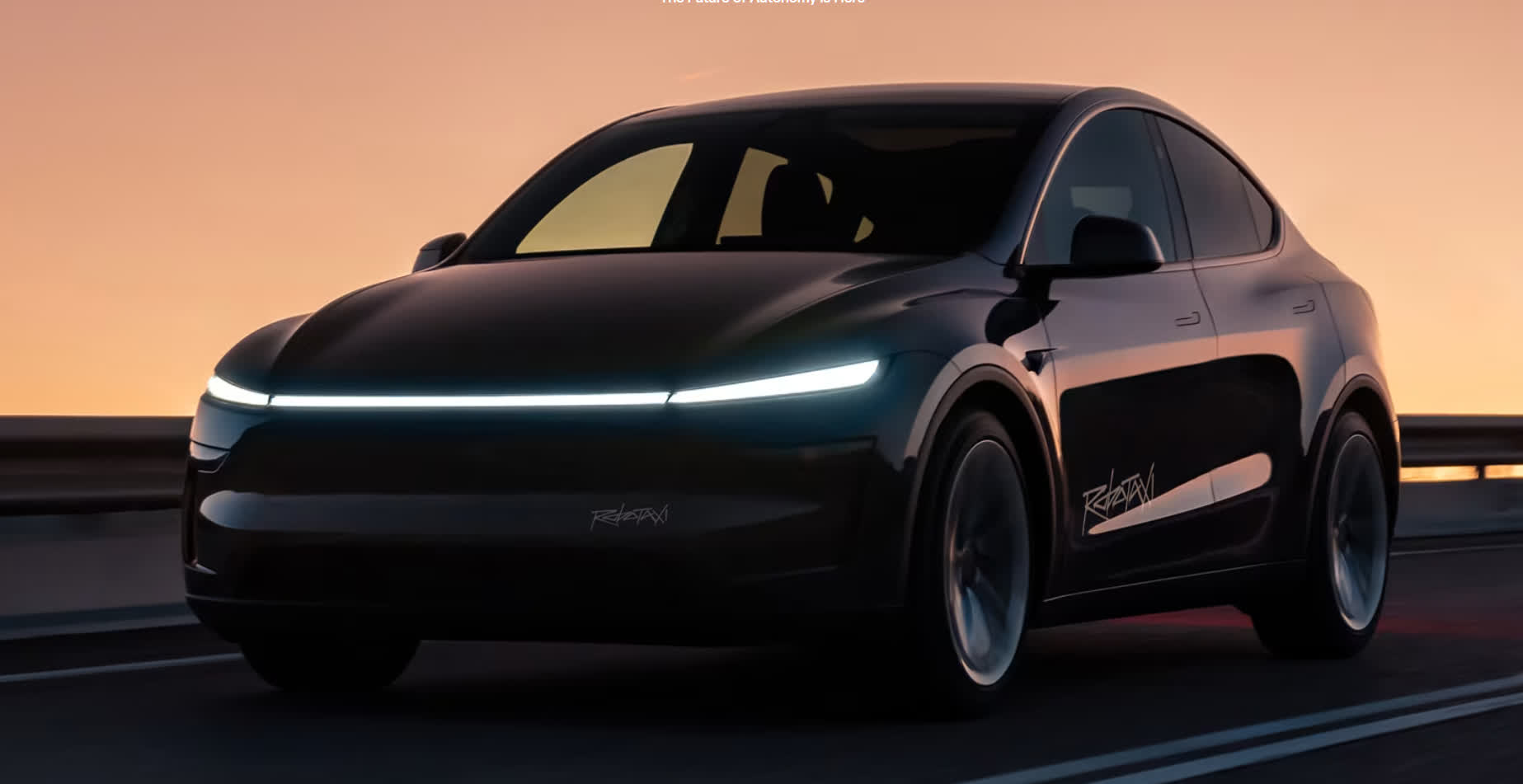
Tesla has historically only reported incidents related to its Level 2 systems – such as Autopilot and Full Self-Driving – which still require a human driver to remain active behind the wheel. But the company's new Robotaxi service in Austin represents a step further into automation.
The program operates under Level 4 classification, where the vehicle performs all driving functions within a defined area. Even so, Texas regulations still require a human safety monitor to remain inside the car. These monitors, supplied with a kill switch, can override the system if the vehicle fails to respond appropriately.
The NHTSA's standing general order on autonomous systems mandates that Tesla and other automakers disclose details about ADS-related crashes, including where and how they occur.
Independent analyses of those disclosures suggest Tesla provides far less detail than other companies. Electrek noted that Tesla heavily redacts its incident reports, offering almost no insight into the nature or severity of most accidents. Waymo, by contrast, releases more complete data sets on its operations.
Tesla told investors during its recent quarterly call that its Austin Robotaxi fleet has covered approximately 250,000 miles since entering service. Based on the four reported crashes, that equals roughly one crash for every 62,500 miles traveled. While Tesla has not released figures showing how often safety monitors have had to intervene, the company says its vehicles remain under "active human supervision" during this stage of testing.
By comparison, NHTSA records show Waymo's vehicles have been involved in 1,267 crashes over a far larger footprint – about 125 million driverless miles nationwide. That equates to one reported crash every 98,600 miles. Unlike Tesla's Robotaxis, Waymo's vehicles operate without a human driver on board to take control in the event of a malfunction.
The difference in crash frequency underscores the varying levels of autonomy and transparency among companies developing driverless systems. Waymo has been testing and deploying fully autonomous vehicles for several years across multiple US cities, while Tesla's Robotaxi program is still in its early pilot phase, limited to Austin. Regulators and industry observers say the discrepancy highlights just how uneven the field of autonomous driving remains, even as the technology inches closer to commercial scale.