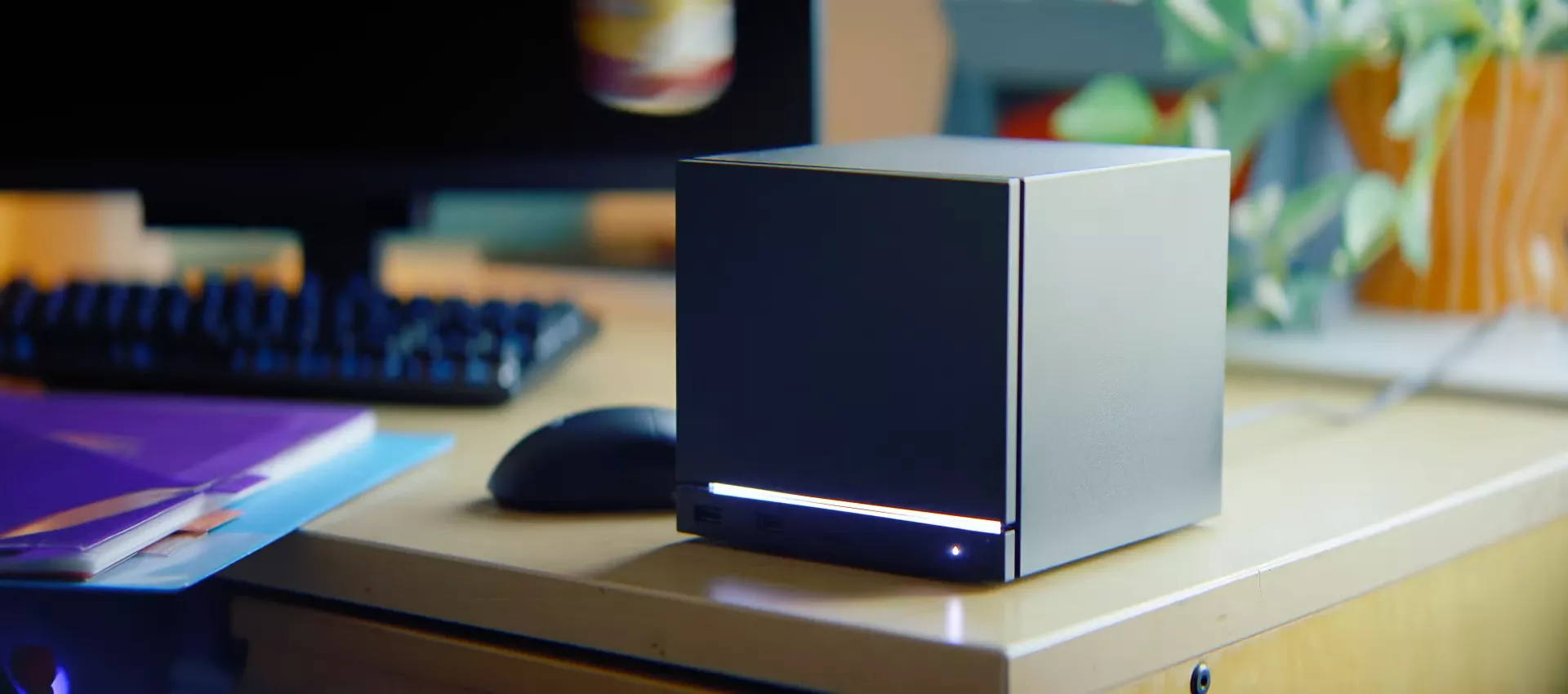
In a nutshell: With all the problems and delays stemming from the memory crisis, it's understandable that people are worried about the Steam Machine being delayed for a second time. Those fears were intensified on Friday when Valve said a fairly noncommittal "we hope to ship in 2026." But the company has now emphasized that the device will arrive this year.
In February, Valve published its first hardware-related post since announcing the Steam Machine, Steam Frame, and Steam Controller 2 last year. The devices were supposed to launch before the end of March, but Valve extended the window to the first half of 2026.
On Friday, Valve's new Steam Year in Review 2025 post mentioned that the company "hope[s]" the devices would ship this year. It led to plenty of speculation that another delay was on the cards or, at the very least, Valve isn't confident it will meet its H1 2026 timeline.
Responding to the speculation, a Valve PR rep told The Verge that "nothing has actually changed on our end." While that statement alone might not alleviate fears, Valve's post has been amended to read "we will be shipping all three products this year." It also mentions that this will happen despite the current industry challenges.
It might not be delayed for a second time, but the memory shortages are likely to push the Steam Machine's MSRP higher than Valve initially intended. The PC/console hybrid has 16GB of DDR5 RAM and 8GB of GDDR6 VRAM. Those aren't exactly huge numbers, but DDR5 and GDDR6 have become comically expensive recently. Most estimates say the Steam Machine's price will be around $700, though it could reach $1,000 for a 1TB version.
Like every other tech giant, Valve is facing a series of issues related to the industry's memory crisis. In addition to the original Steam Machine delay, the company confirmed last month that the Steam Deck OLED is out of stock because of the memory and storage shortages.
It's impossible to escape stories about how AI data centers' appetite for memory and storage is forcing manufacturers to redirect production capacity to this lucrative market. Unfortunately, the issue is not going away anytime soon, with some insiders estimating it will last beyond 2027.