AMD Ryzen 7 7800X3D Review: Gaming Efficiency FTW!
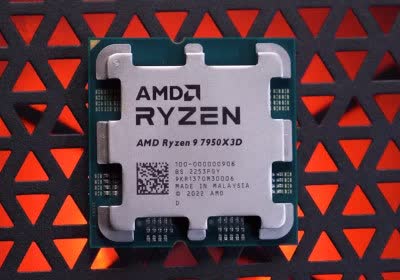
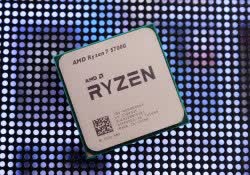
The Ryzen 7 7800X3D is the Zen 4 3D V-Cache CPU that gamers should all be interested in, it's fast and extremely power efficient. Moreover, at $450 the 7800X3D is just $50 more than the 7700X.
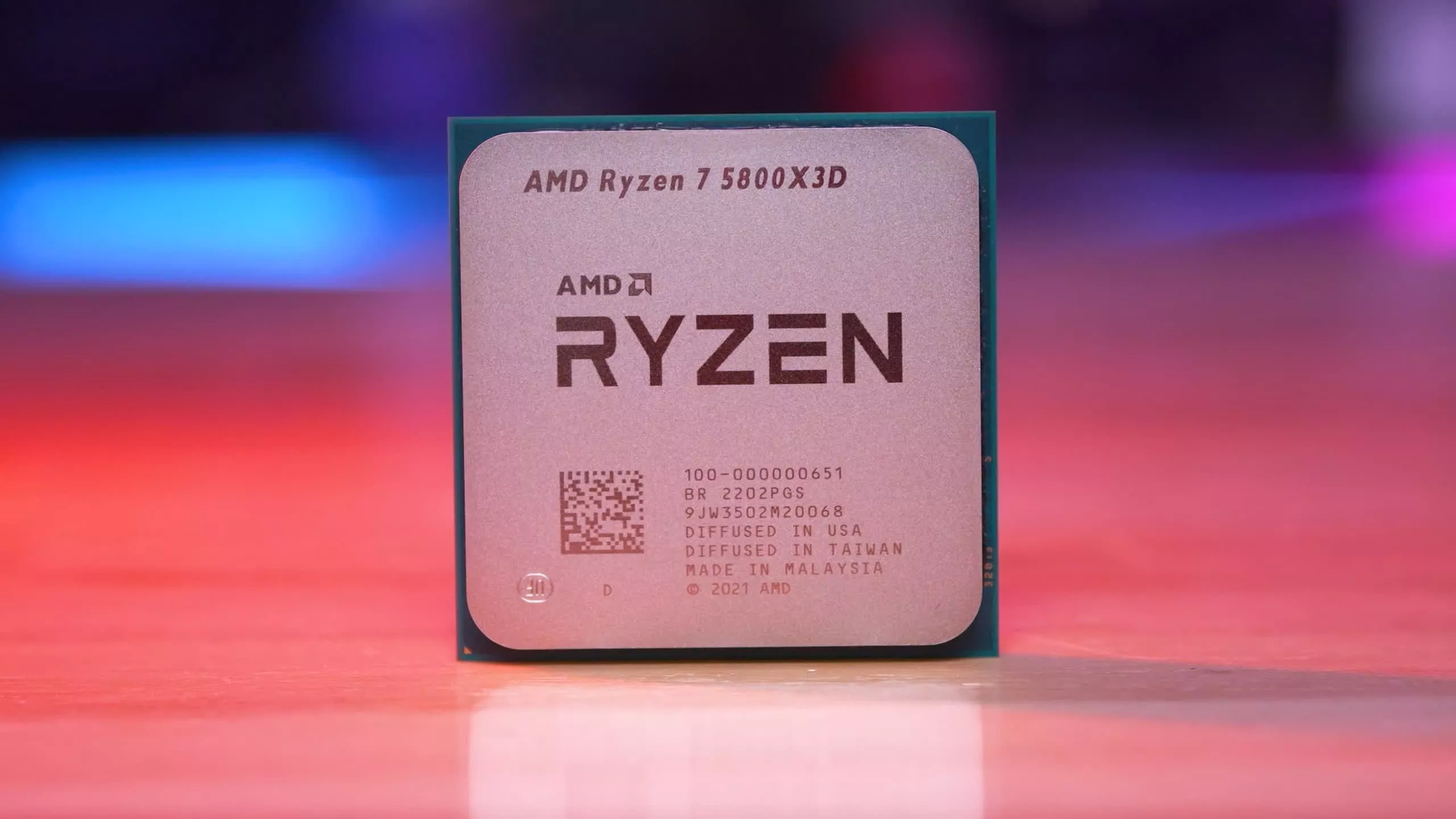
On the menu today is another 40 game benchmark – actually 41. This time it's the 5800X3D against its spiritual predecessor, the 5800X, to see where that massive L3 cache can help out.
Making CPU cores faster rather than adding more cores is the best way to boost PC gaming performance. That's why AMD has supercharged their 8-core, 16-thread CPU to create the Ryzen 7 5800X3D with 3D V-cache.
How much difference can L3 cache make with just 4 CPU cores active? We've gone back to test a variety of CPUs checking for frequency, number of cores and L3 cache to draw some conclusions.
At some point you may have heard someone say that for gaming you need X amount of cores. Examples include "6 is more than enough cores," or "you need a minimum of 8 cores for gaming," let's address that misconception.
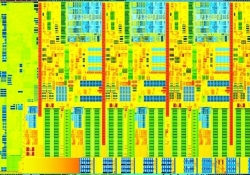
Every single CPU found in any computer, from a cheap laptop to a million-dollar server, will have something called cache. It must be important, otherwise why would it be there? But what does cache do?
Last January, Crucial announced the Adrenaline SSD series. Not meant to replace their existing and well regarded m4 drives, the Adrenaline is a cache solution meant to work along your existing disk drive, using a 50GB SSD to act as solid state flash-based cache for your larger primary hard drive.
The Adrenaline doesn't require any special drivers as it uses the SATA interface, it can be installed at any point and can therefore be fitted to any computer without the need to reinstall Windows.