Multi Frame Generation is one of the standout features in DLSS 4 and the new Nvidia RTX 50 series GPUs. This review dives into its performance, image quality, and whether it's truly worth upgrading for.
The theme of machine dominance would later find its way into numerous works of science fiction
Through the looking glass: In an era when the American Civil War dominated headlines, an English sheep farmer in New Zealand penned a letter that would prove remarkably prophetic. On June 13, 1863, The Press newspaper of Christchurch published a missive titled "Darwin among the Machines," which may contain the first published argument for halting technological progress to prevent machines from dominating humanity.
Interacting with AI chatbots like ChatGPT can be fun and sometimes useful, but the next level of everyday AI goes beyond answering questions: AI agents carry out tasks for you.
While chiplets have been around for decades, today they are the hottest trend in chip making powering millions of devices from PCs, to servers, phones and wearables.
Pat Gelsinger is out, but the big questions remain
In context: Intel has been in play since reporting its disastrous June quarter. Despite turning in a decent quarter last month, the writing has been on the wall for several months that Gelsinger was under pressure. That pressure was coming from all directions – customers, partners, employees, and, not least, the Street. After the company reset guidance in July, the consensus across the financial community was that Intel had to be split in two, and increasingly that Gelsinger had to go.
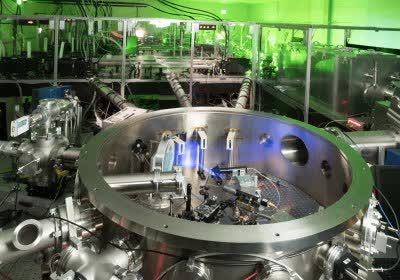
Forward-looking: Fusion energy is often regarded as the holy grail of power generation because it harnesses the same atomic process that powers the sun. The concept involves forcing atomic nuclei to fuse together, unleashing immense energy. If scientists can crack the code using lasers, it could lead to a virtually limitless supply of safe, sustainable energy without any carbon emissions.
Dystopian Kurzweil: As Big Tech continues frantically pushing AI development and funding, many users have become concerned about the outcome and dangers of the latest AI advancements. However, one man is more than sold on AI's ability to bring humanity to its next evolutionary level.
Forward-looking: OpenAI just introduced GPT-4o (GPT-4 Omni or "O" for short). The model is no "smarter" than GPT-4 but still some remarkable innovations set it apart: the ability to process text, visual, and audio data simultaneously, almost no latency between asking and answering, and an unbelievably human-sounding voice.
A hot potato: A lot of companies try to assuage fears that employees will lose their jobs to AI by assuring them they'll be working alongside the tech, thereby improving efficiency and making their duties less tedious. That claim feels less convincing in light of a new survey that found 41% of managers said they are hoping to replace workers with cheaper AI tools in 2024.
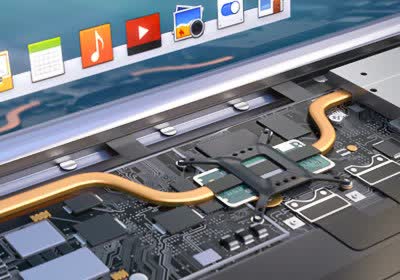
In context: We've noticed a burning sensation in our pockets lately. Not the bite of inflation, but an actual heat source coming from our phones. Maybe it is 5G, maybe it is a design decision made by Apple, or by TSMC, whatever the reason, our smartphone runs hot.
Gone are the days when the sole function for a graphics chip were, graphics. Let's explore how the GPU evolved from a modest pixel pusher into a blazing powerhouse of floating-point computation.
Some would argue that AI is a fad, the next bubble waiting to burst
Editor's take: Like almost everyone in tech today, we have spent the past year trying to wrap our heads around "AI". What it is, how it works, and what it means for the industry. We are not sure that we have any good answers, but a few things have been clear. Maybe AGI (artificial general intelligence) will emerge, or we'll see some other major AI breakthrough, but focusing too much on those risks could be overlooking the very real – but also very mundane – improvements that transformer networks are already delivering.