In a nutshell: TSMC's 2nm manufacturing process is in development, and the world's largest semiconductor manufacturer is said to have secured orders from around 15 customers for N2. But companies such as Apple and Nvidia could pay up to 66% more for the generational improvements – a price hike that may be passed on to consumers.
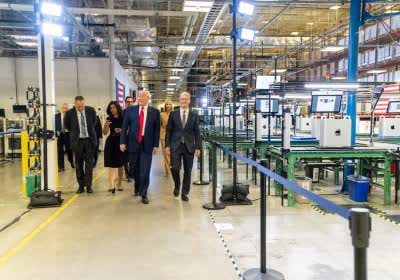
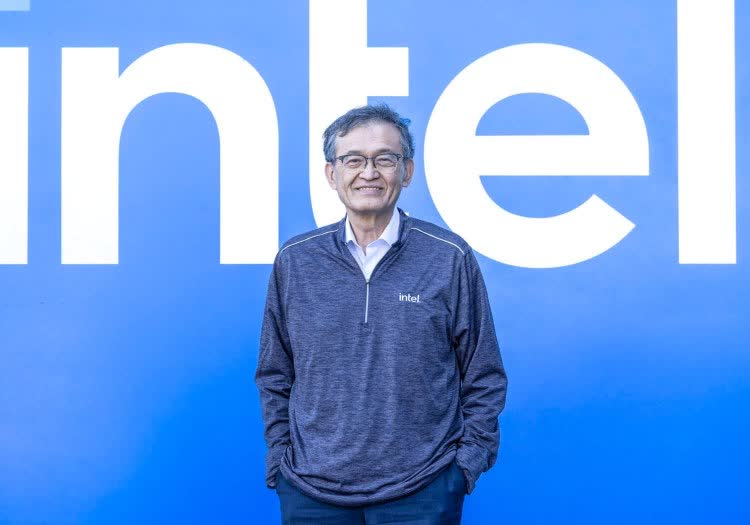
In context: Barely a week after President Trump called for Intel's new CEO to resign, reports suggest that the White House is considering buying a stake in the beleaguered chip giant, with its current boss presumably still in place. If implemented, the plan would mark the second time in the past 12 months that the government has mulled direct intervention in the United States' only advanced semiconductor manufacturer.
In context: As tensions rise over semiconductor dominance, intellectual property tied to chip manufacturing has become a prime target for espionage. Companies like ASML and NXP sit at the center of this strategic tech battleground, making any breach not just a corporate concern but a geopolitical one. A recent case in the Netherlands highlights just how far some actors are willing to go to access this sensitive technology.