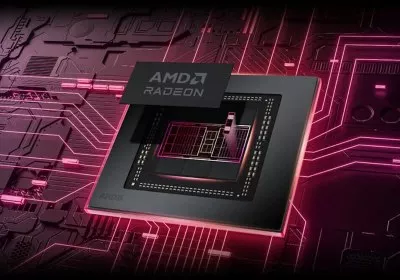
RDNA 5 is shaping up as a bigger architectural step than RDNA 4, while Nvidia's main focus is on the data center
Rumor mill: The timeline for the next generation of gaming GPUs is starting to look less predictable – and possibly longer – than PC enthusiasts have grown used to over the past several cycles. Conversations at Computex 2026 suggest AMD's upcoming RDNA 5 architecture is still some distance away from the market.
Server-first strategy could leave gamers waiting years
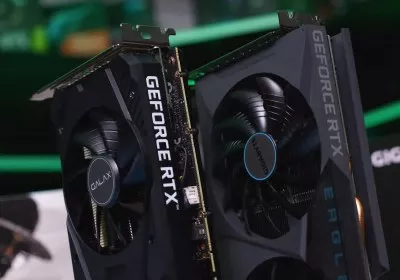
Winners & losers: The absence of new GeForce RTX graphics cards at CES is an unusual break from tradition, fueling speculation that memory shortages driven by AI demand are disrupting Nvidia's usual launch cadence (well, that and an obvious shift in priorities). As the company rolls out its next architecture, a prominent leaker says consumers could be facing one of the longest generation gaps in the history of GeForce.
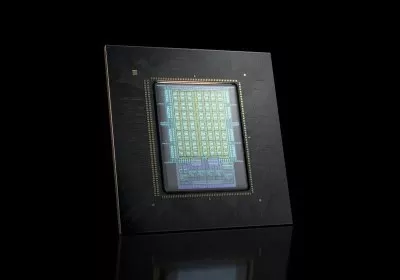
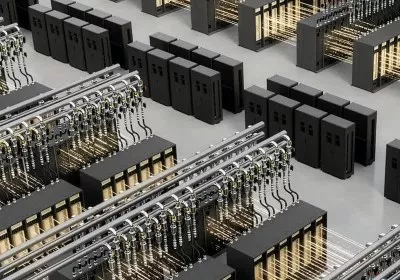
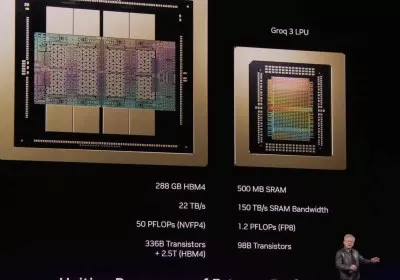
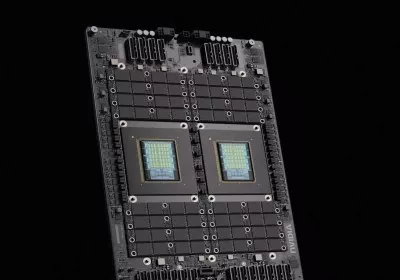
The six-chip Vera Rubin system claims up to 5× training compute and a 10× reduction in inference costs.
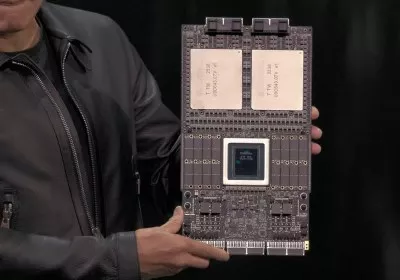
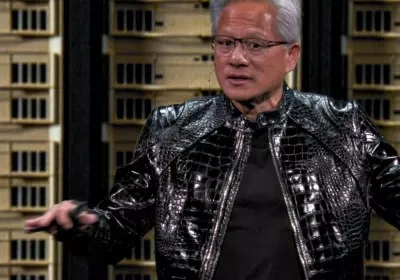
Looking ahead: Nvidia kicked off the year with an unusual move: unveiling its next-generation AI computing architecture months ahead of schedule. At CES 2026 in Las Vegas, CEO Jensen Huang used his keynote to introduce the company's Vera Rubin server systems – a clear signal that Nvidia intends to press its advantage as demand for ever-larger AI models accelerates.