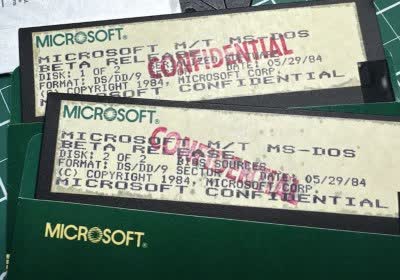
Microsoft releases MS-DOS 4.0 source code and floppy images through an open-source license
The package also includes DOS 4 beta editions and scans of the original documentation
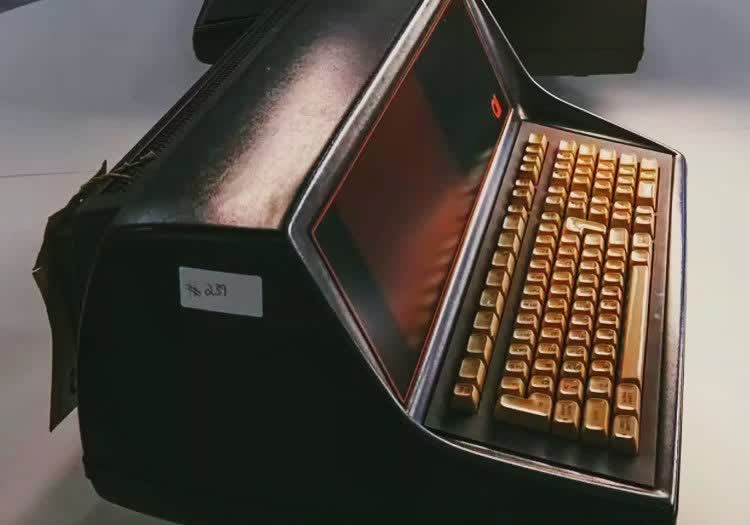
#TBT The year was 1982 and computers had finally made the jump from machines that took up a full room to something that could fit on a desk. But they were still far from portable, so three entrepreneurs decided to change that.

In the late 1970s, Mattel developed a gaming system called Intellivision to compete against the equally legendary Atari 2600. Both systems would leave a lasting impression on the history of console gaming.

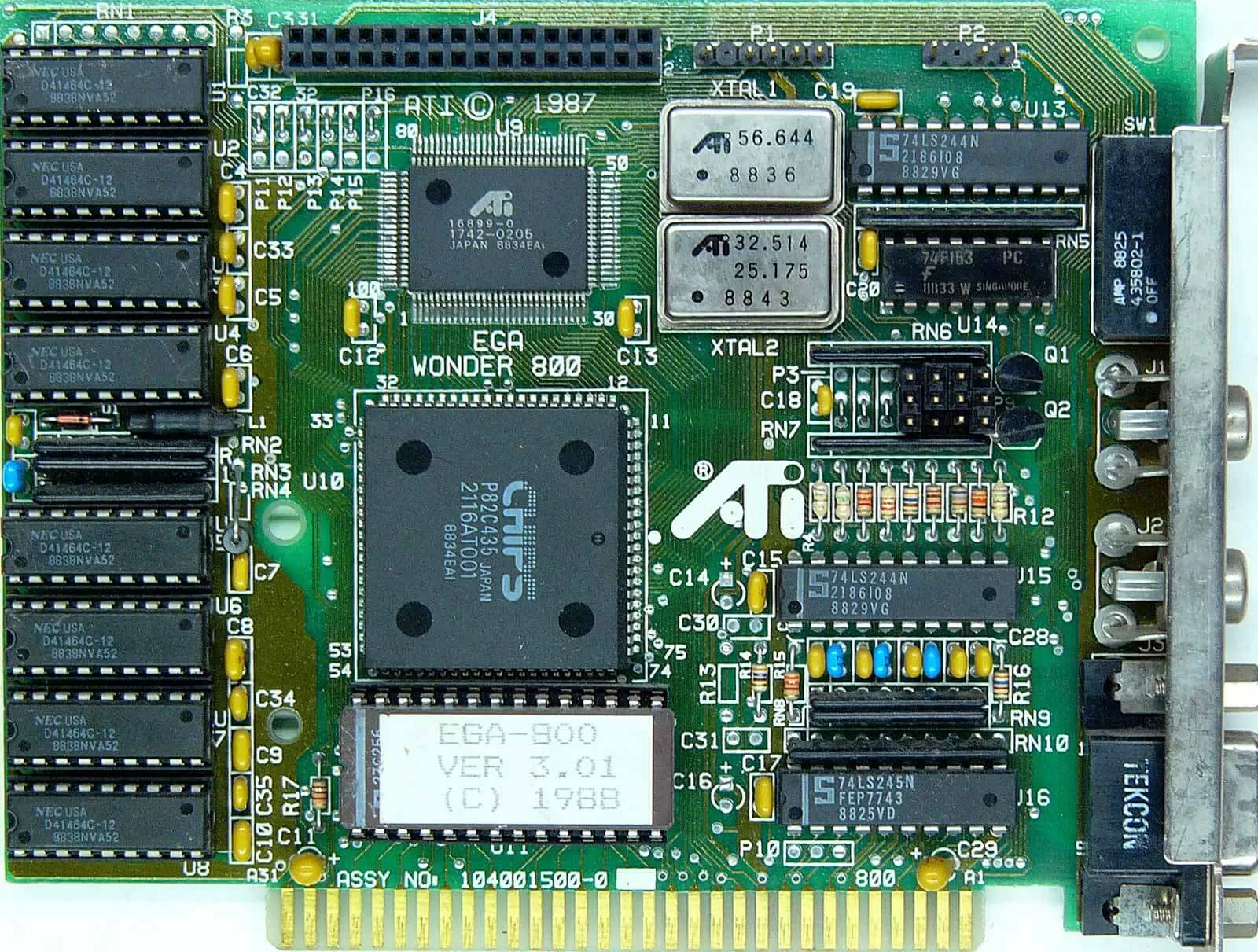
Gone are the days when the sole function for a graphics chip were, graphics. Let's explore how the GPU evolved from a modest pixel pusher into a blazing powerhouse of floating-point computation.

The Prince of Persia series likely means different things to different generations of gamers, from unprecedented realism in the 2D era, to unforgettable 3D platformers and pioneering mobile games. Whenever a new Prince of Persia game is released, you know it will be a game like no other.

#ThrowBackThursday Most people who hear the word "Nokia" associate it with mobile phones, but there's a convoluted history to tell since the company's humble beginnings over 150 years ago and many reinventions.


Doom is rightly considered the granddaddy of the FPS genre, a claim few games can make. Let's look at each memorable entry in the Doom series from development to reception.

3D graphics transformed a somewhat dull PC industry into a spectacle of light and magic after generations of innovative endeavor. TechSpot's look at the history of the GPU goes from the early days of 3D, to game-changing hardware and beyond.
#TBT A journey through memorable video game music, this second article is dedicated exclusively to PC video game soundtracks. We have our hands full given the wealth of excellent material available.


It's been four years since AMD launched RDNA, the successor to the venerable GCN graphics architecture. We take a look through the tech and numbers to see just how successful it's been.


At the turn of the millennium, Yahoo! was the most visited site on the web. In Web 1.0 terms, Yahoo! was like Google and Facebook combined. So what happened?

Few things are as closely associated with PC gaming as Steam. Microsoft might provide the OS. Intel, AMD, and Nvidia power the most popular gaming hardware. But for most people, Steam is PC gaming.


With an increasing number of people spending more of their hard-earned money on the latest tech and services, games expanded into new arenas. History showed once more, new tech paved the way for new opportunities.

#TBT These days it's rare to see a new hardware company break ground in the world of PCs, but 30 years ago, they were popping up all over the place. Join us as we pay tribute to S3 and see how its remarkable story unfolded over the years.

Over the last 30 years, the PC has utterly transformed in appearance, capability, and usage. From the hulking beige boxes to an astonishing array of powerful, colorful, and astonishing computers.
