
See our latest update to this buying guide: The Best CPUs
Picking the best CPU could be as simple as matching a budget to a benchmark chart. But these days the landscape feels more like a negotiation. AMD and Intel both have solid chips at nearly every price tier, but platform costs and upgrade paths now matter just as much as raw performance – and for many buyers, they matter more.
Right now, the biggest spoiler isn't a weak processor lineup but memory pricing. Sure, you can snag a Core Ultra 5 225F, 14600K, or Ryzen 5 7500F for around $200 or less, but dropping another $200-plus on a 32GB DDR5 kit takes a lot of shine off those value builds.
And then there's the elephant in the room: platform longevity. Right now, buying into Intel – whether it's LGA 1700 or the newer LGA 1851 – feels like signing up for a platform that's already run out of road. Unless you're getting the motherboard practically for free, it's hard to justify investing in a socket with no meaningful upgrade path. Our audience agrees: the overwhelming majority say longevity is a top priority, and only a sliver of buyers are willing to shrug it off.
The math doesn't help Intel's case. Take the Core Ultra 5 225F: roughly 10% slower than the Ryzen 5 7500F in games, typically around $160, and usually paired with a $140-plus B860 board – or closer to $180 if you want Z-series features. Add in DDR5 and you're easily staring at a $300+ combo. Meanwhile the 7500F with a decent B650/B850 board lands closer to $280, runs faster in most titles, and sits on a platform with at least one more generation of CPUs on the way. For Intel's mid-range option to be compelling, it would need to shed about $100 from the total build cost – essentially pushing the 225F down to $60, which isn't realistic.
Intel's strongest counterargument right now is the Core Ultra 7 265K, a chip that puts up real productivity numbers without guzzling power. But even here, gamers have little incentive to bite: the 265K trails AMD's 9700X out of the box and doesn't offer meaningful savings once you factor in the motherboard. And for creators, spending $100 more for the Ryzen 9 9900X gets you comparable productivity performance plus a platform with a future. For Intel's chip to become an easy recommendation, it would need to fall closer to $250 – again, a steep ask.
As the market heads into another cycle, the message from consumers is loud and clear: performance matters, but longevity matters as much. AMD understands this. Intel, for the first time in years, no longer seems able to skate by without addressing it. Whether the next platform finally fixes that is the question hanging over everything. Without further ado, here come our CPU picks:

- Entry-Level Upgrade
- Best Mainstream CPU
- Best Value Mid-Range CPU
- Best Gaming CPU
- Best Productivity CPUs
Best CPU, Entry-Level Platform Upgrade
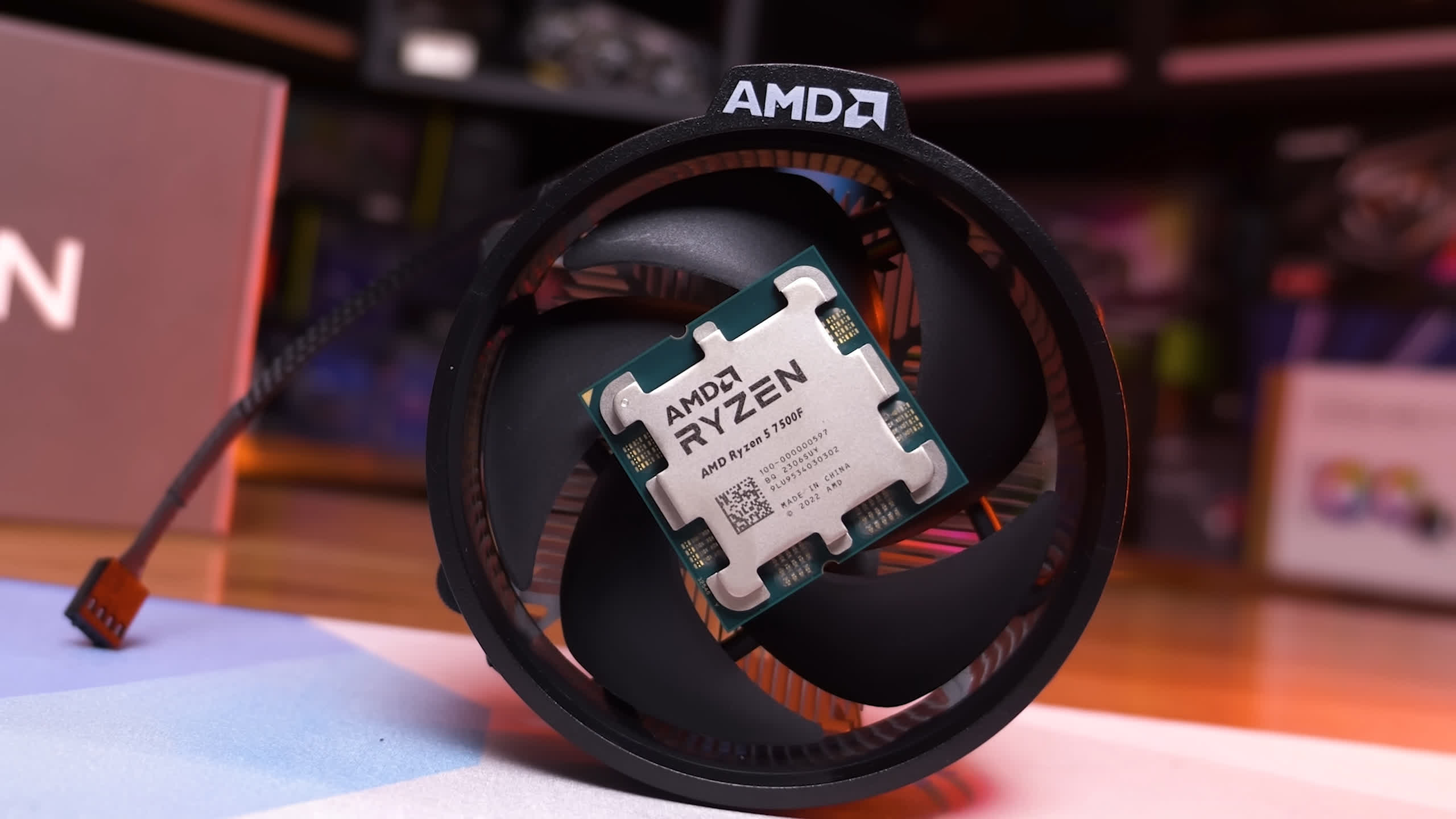
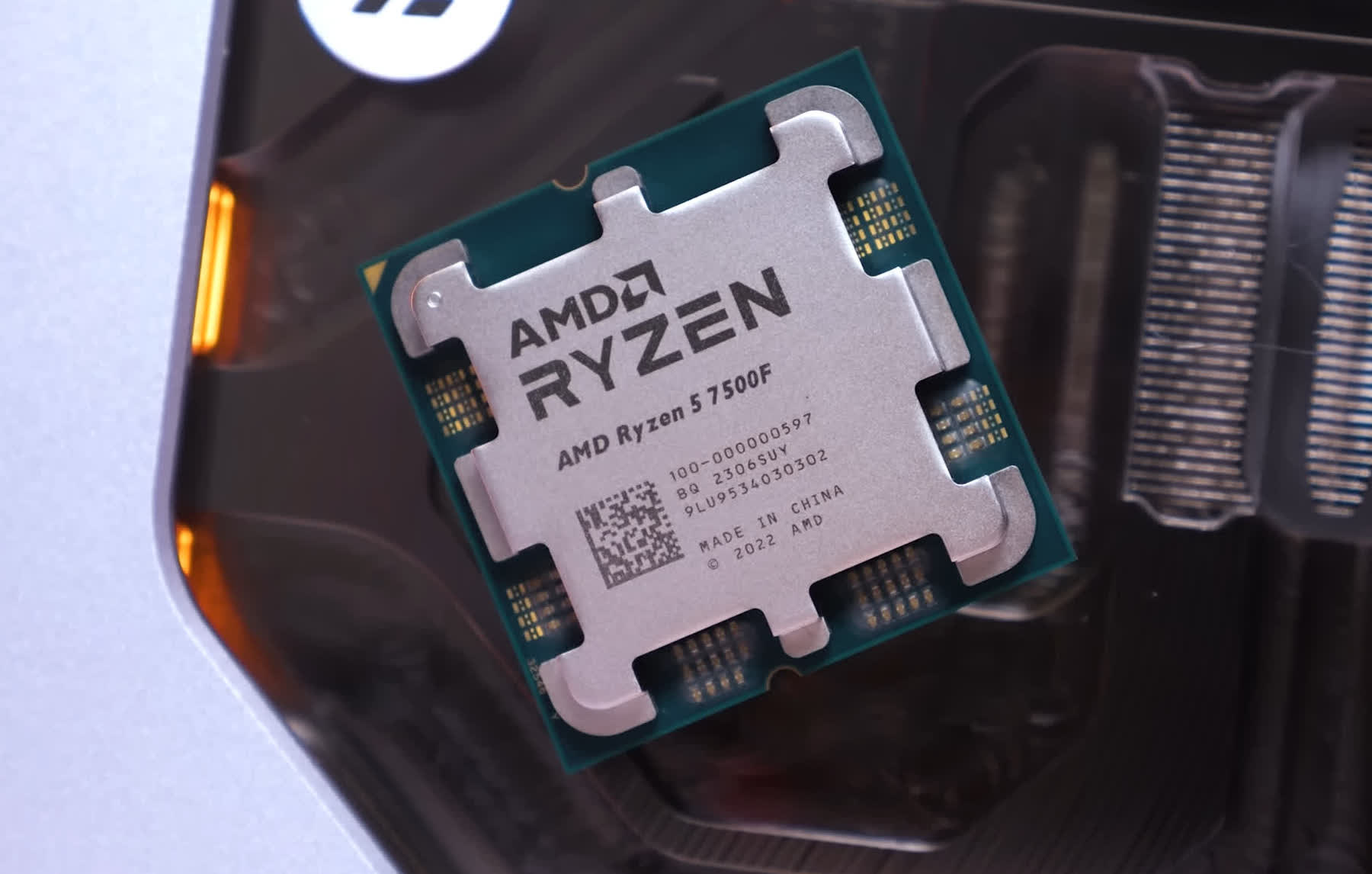
AMD Ryzen 5 7500F

 Tech Specs

For years now, Intel has been our go-to choice for the best entry-level option. For quite some time we recommended the Core i3-12100F, and then we moved up to the Core i5-12400F. Recently, we revisited the 12400F and compared it with the similarly priced Ryzen 5 8400F, 7500F, and 7600F. In short, the 12400F only roughly matched the performance of the cut-down 8400F, while the 7500F was on average 20% faster.
The entire Core i3 range is now far too slow with just four P-cores, so they're out. The 12400F currently costs $140, and it's no longer worth investing in. The 12600KF, which costs $165, is in a similar situation. Around that same price, you'll also find the Core Ultra 5 225F, but that part is extremely slow for a modern processor, roughly matching the 12400F in gaming and offering weak productivity performance, typically only comparable to the slowest 6-core AM5 parts.
The most appealing Intel CPU for $200 or less is the 14600KF, and it's really the only part we'd consider buying from Intel right now. For value, it's the best all-rounder in this price range. AMD's alternative would be the 9600X, which currently costs a little more at $215 (the same price as the 14600K), so if you need or want the iGPU, they end up costing about the same.
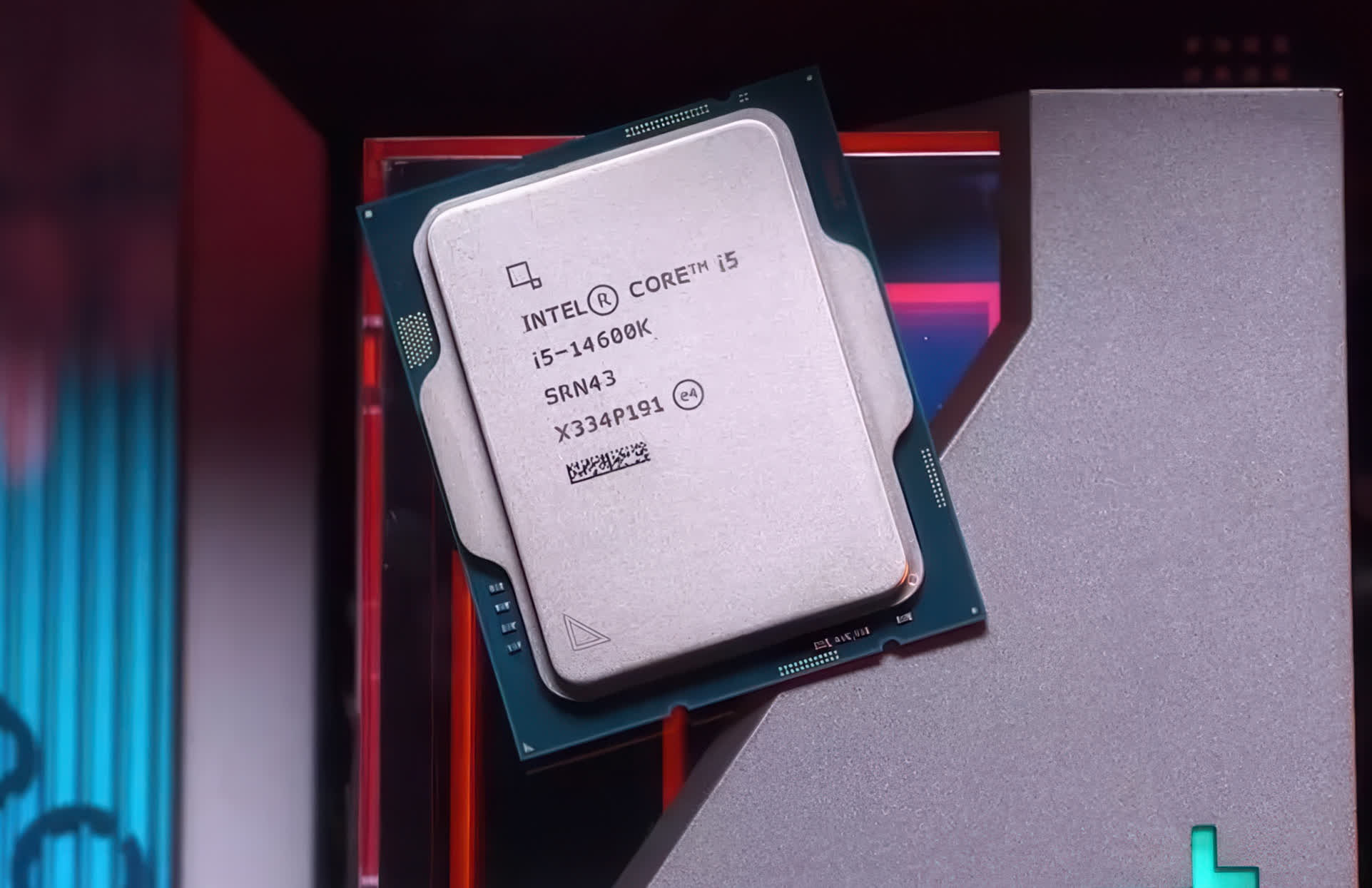
In terms of gaming performance, the two are close, but for productivity the Core i5 can be up to 40% faster. It does, however, consume over 130% more power to deliver those results. At around $200, neither is priced well enough to be considered entry-level, so the best option is the Ryzen 5 7500F (if it's available in your region). Newegg lists it for just $145.
If the 7500F is not available for you and you're choosing between the 14600K and 9600X at similar pricing, the decision comes down to your needs and priorities.
The advantages of the Core i5-14600K are strong gaming performance and unmatched productivity speed for the money. The key downsides are its high power consumption and its dead-end upgrade path. Intel's LGA1700 socket is finished, and upgrading to a second-hand Core i7 or Core i9 from the 13th or 14th generations should be avoided.
The advantages of the Ryzen 5 9600X include excellent power efficiency, strong gaming performance, and a current platform with future upgrade options. Strictly for gaming, we'd recommend the 9600X, while we struggle to recommend anyone invest in the 14600K today. For a new system build or full platform upgrade, it's a lot of money to spend on hardware with no future path. But if you want the best productivity performance available for $200 or less, the 14600K is still likely your best option.
All things considered, our pick for the best entry-level CPU is the Ryzen 5 7500F.
Best CPU for a New Gaming PC
Ryzen 5 9600X (Gaming) or Core Ultra 5 245K (Productivity)

The $200 to $250 price range is a tricky one, because for gaming you're not getting anything meaningfully better than the 7500F, if better at all. The 9600X vs. 14600K battle shows up again: both are faster than the 7500F in games, but not by much. The Core Ultra 5 245K also enters the mix at $230, nearly $100 below its launch price, but its gaming performance is slower than almost everything else in this bracket.
The advantage of the 245K is its excellent productivity performance, and like the 14600K, nothing else can match it for the money. However, where the 14600K guzzles power, the 245K is far more efficient, so out of the two it would be our choice for a productivity-focused build.
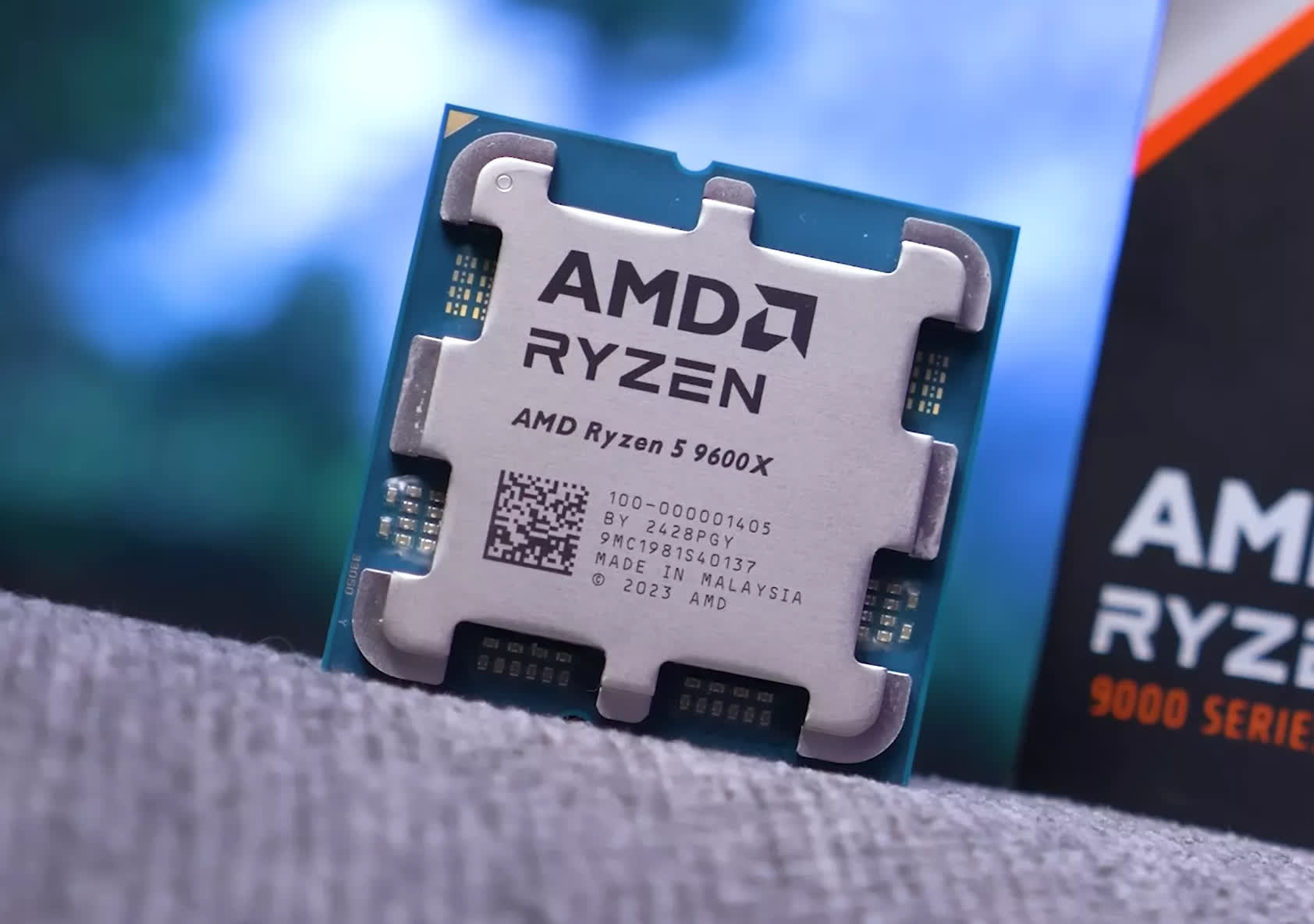
For gaming, though, we'd lean toward the Ryzen 9600X. In our testing, it's a little over 10% faster than the 245K on average, and it offers a real upgrade path with Zen 6 arriving in 2026 on the same platform. There's even a chance Zen 7 could land on AM5 – though we'll have to wait and see on that.
The point is this: the motherboard you buy today will last well into the future, whereas the 245K sits on a dead platform with no meaningful upgrade options. The 265K, for example, is only single-digit percentages faster in games. If the 245K had an upgrade path, it would be an easy pick for us, but in its absence we'd invest in the 9600X. In most real-world scenarios you wouldn't be able to tell these CPUs apart anyway, so the upgrade path is what pushes the Zen 5 part over the line.
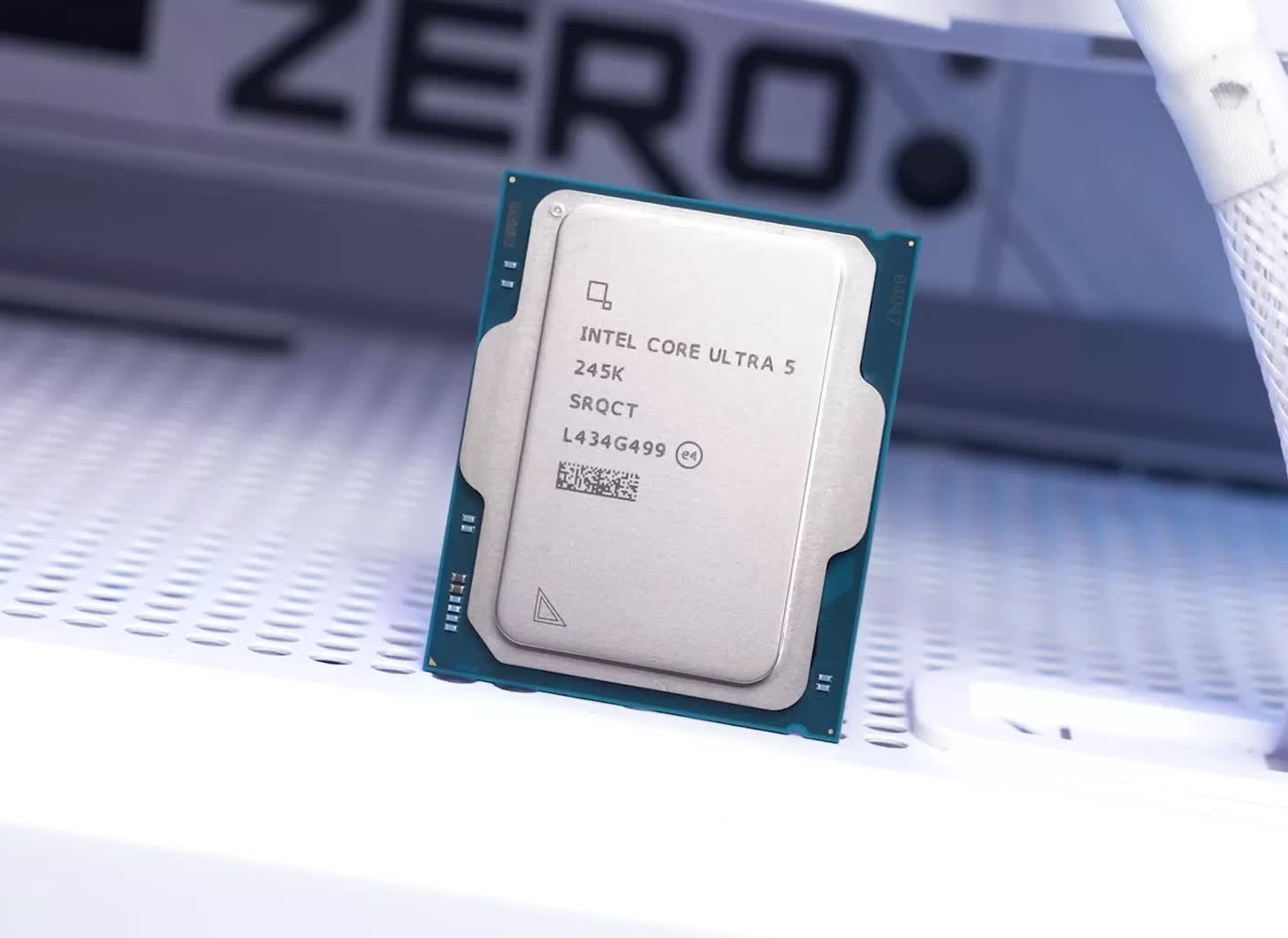
That said, if you're primarily focused on productivity and don't care much about future upgrades, the 245K is a great choice – it's up to 55% faster than the 9600X in those workloads, which is a massive advantage.
Best Value Mid-Range CPU
Ryzen 7 9700X (Gaming) or Core Ultra 7 265K (Productivity)

The best-value mid-range CPU for you will depend on the same preferences outlined in the previous categories. Key options include the Ryzen 7 7700X at $300, the 9700X at $330, the Ryzen 9 7900X at $375, the 9900X at $400, and from Intel the Core Ultra 7 265K at $310, along with older 14th-gen Core i7 and Core i9 parts such as the 14700K at $335 and the 14900K at $470.
The 14900K is still very expensive and competes with higher-end Ryzen processors, so we'll skip it here. The 14700K is slightly slower than the 265K in productivity workloads while consuming at least 40% more power, so we'd skip that one as well, especially given the platform's ongoing issues.
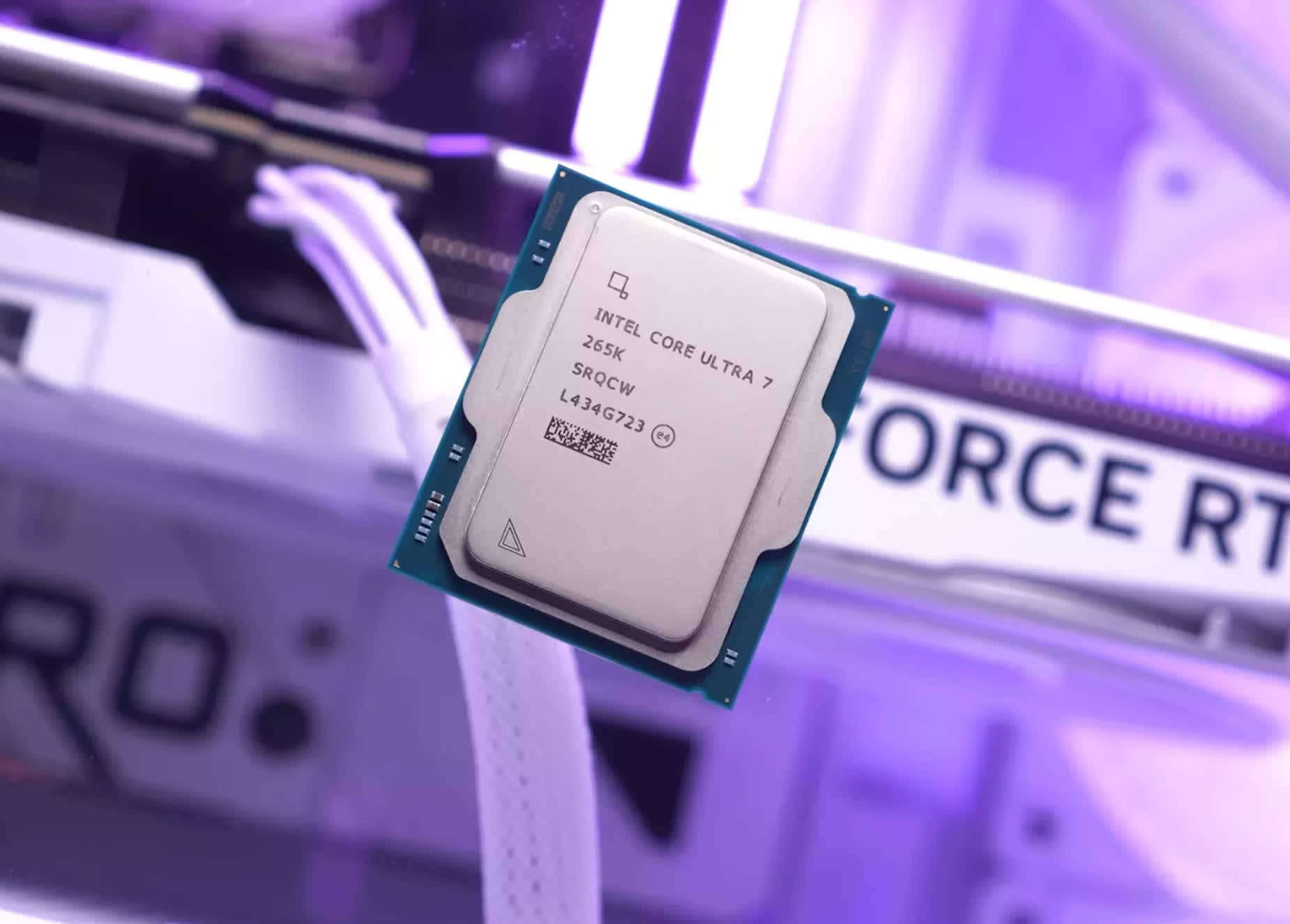
That leaves the Core Ultra 7 265K, Ryzen 7 9700X, and Ryzen 9 9900X as the most viable options. The 9900X and 265K trade blows in productivity performance, but the Ryzen 9 part currently costs nearly 30% more, making it significantly more expensive.
The Core Ultra 265K also outperforms the 9700X in productivity for roughly the same money. So if productivity matters most, Intel provides the best value... depending on how much importance you place on platform longevity. The pricier 9900X could save you money in the long run thanks to its upgrade path, but if you're focused on performance today, the 265K is the best all-rounder.
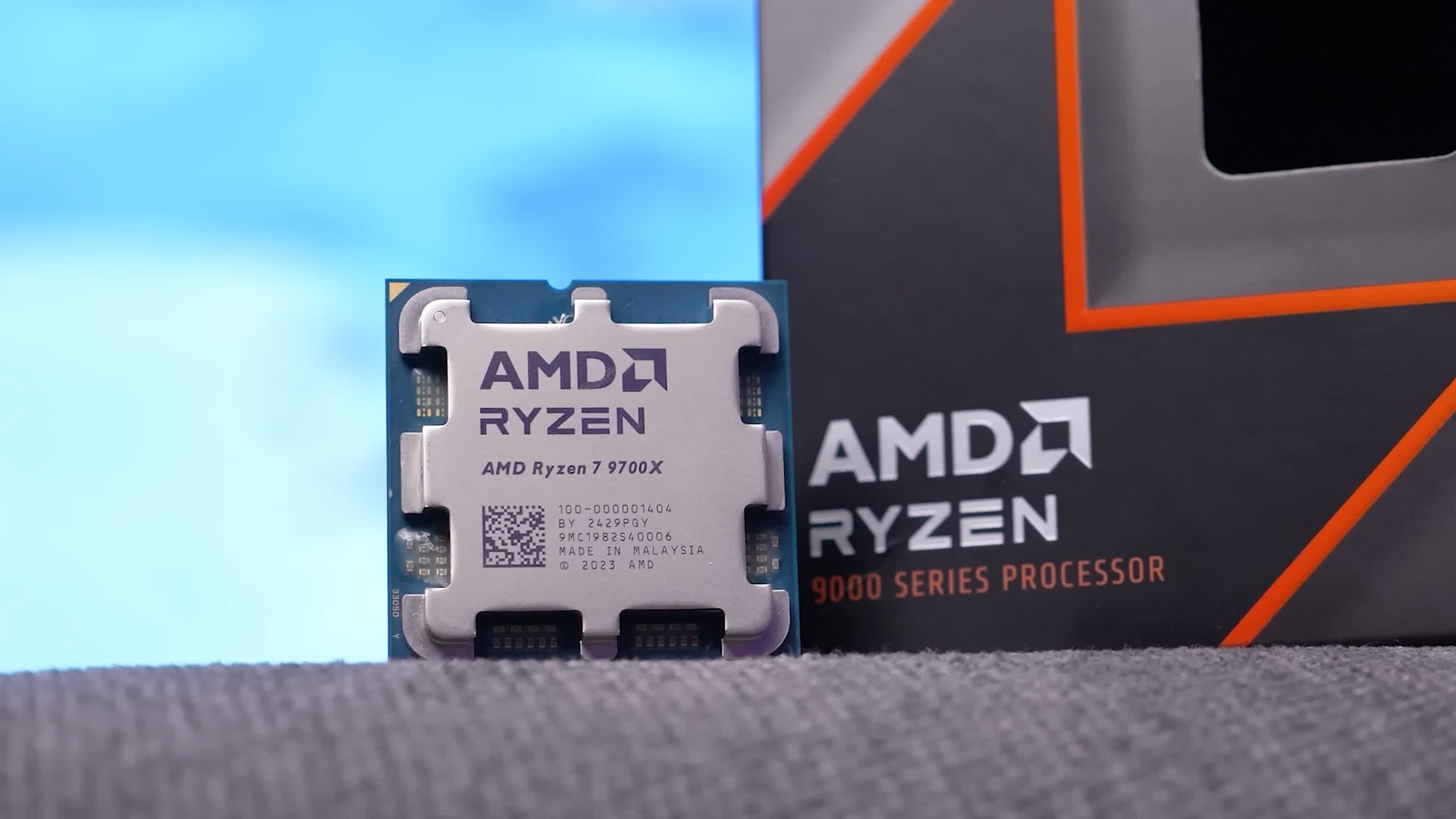
Bottom line, if gaming is your priority, the Ryzen 9700X is the better buy. With memory profiles enabled, it's faster in virtually every game, though in practice you'd be hard-pressed to notice the difference. In short: the 9700X offers a future upgrade path, while the 265K delivers much stronger productivity performance, so choose based on which matters more to you.
Best Gaming CPU
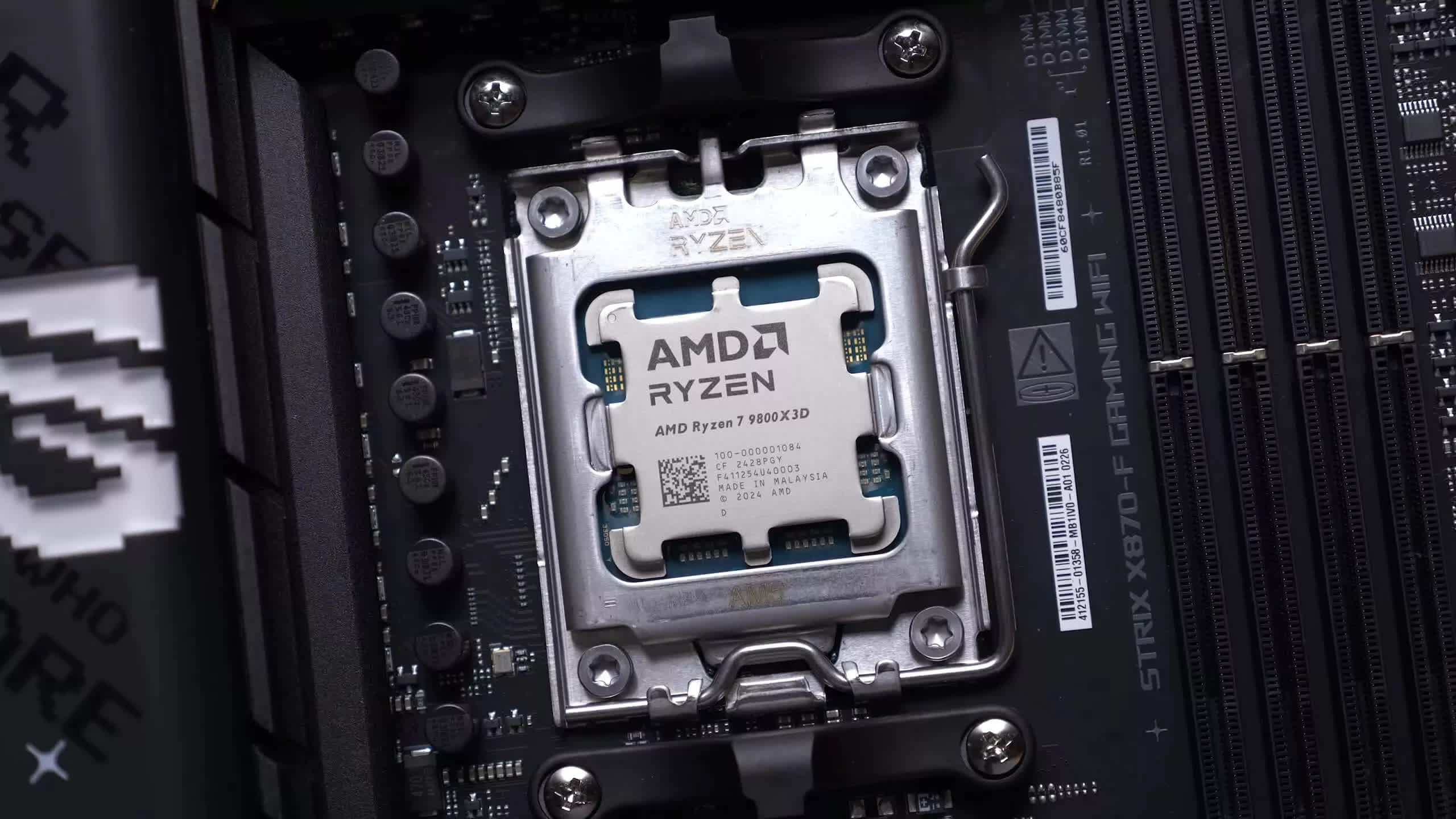
AMD Ryzen 7 9800X3D
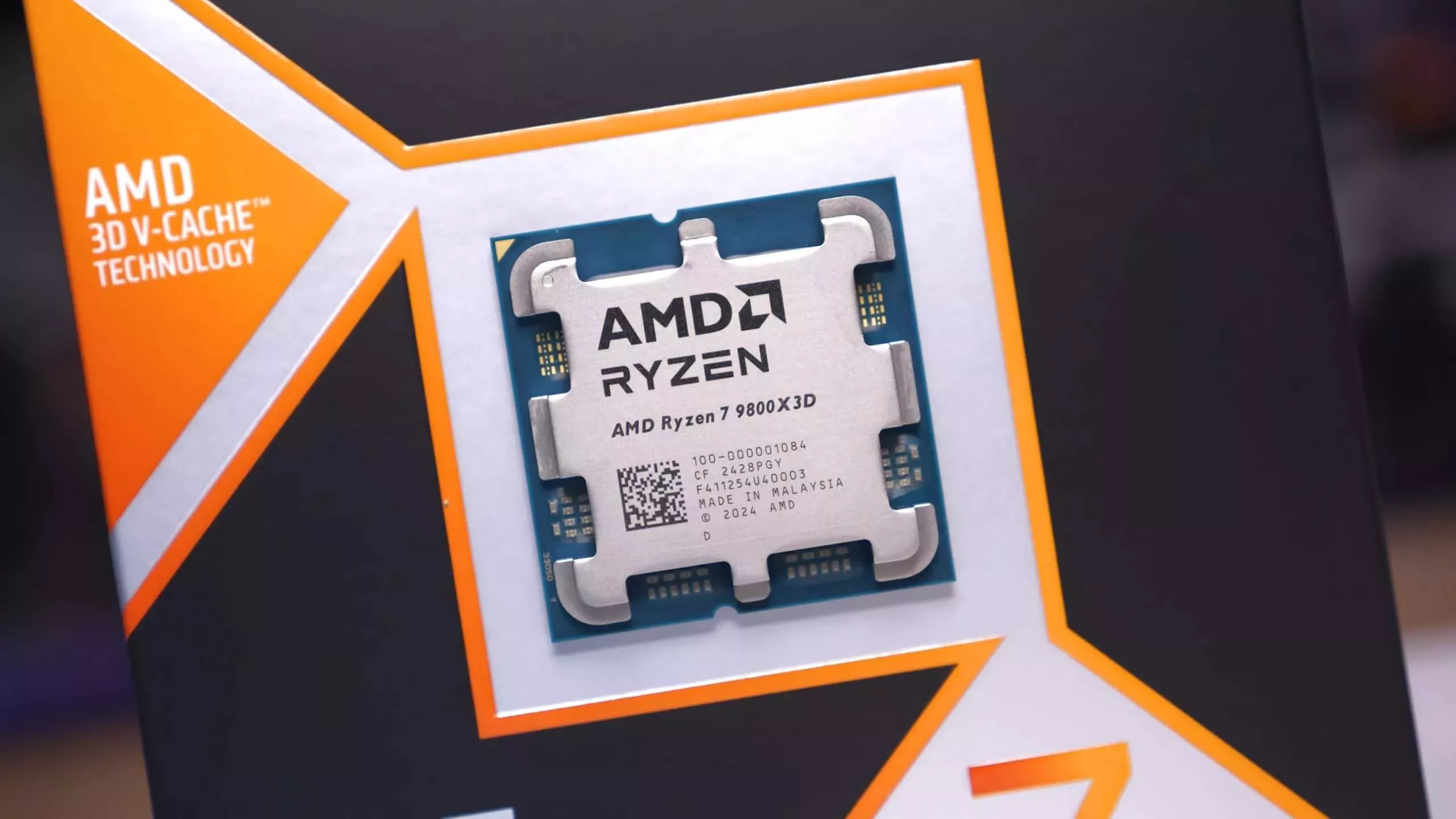
There's really no debating this one: the Ryzen 7 9800X3D is hands down the best gaming CPU you can buy, and it was also our pick in the 2024 version of this guide. Pricing has remained largely the same since then, but availability has improved considerably, making the 9800X3D easy to purchase.
With most of the Internet in agreement, AMD has seen little need to discount the highly in-demand 9800X3D. Recent Amazon deals have dropped it to $450, but for the most part it has hovered around $480.
The next best option is the 7800X3D, which currently sells for about $415. That makes it the better value choice, given that the 9800X3D is only ~8% faster on average. So if you want premium gaming performance but wouldn't mind saving some money, the 7800X3D is an excellent pick.
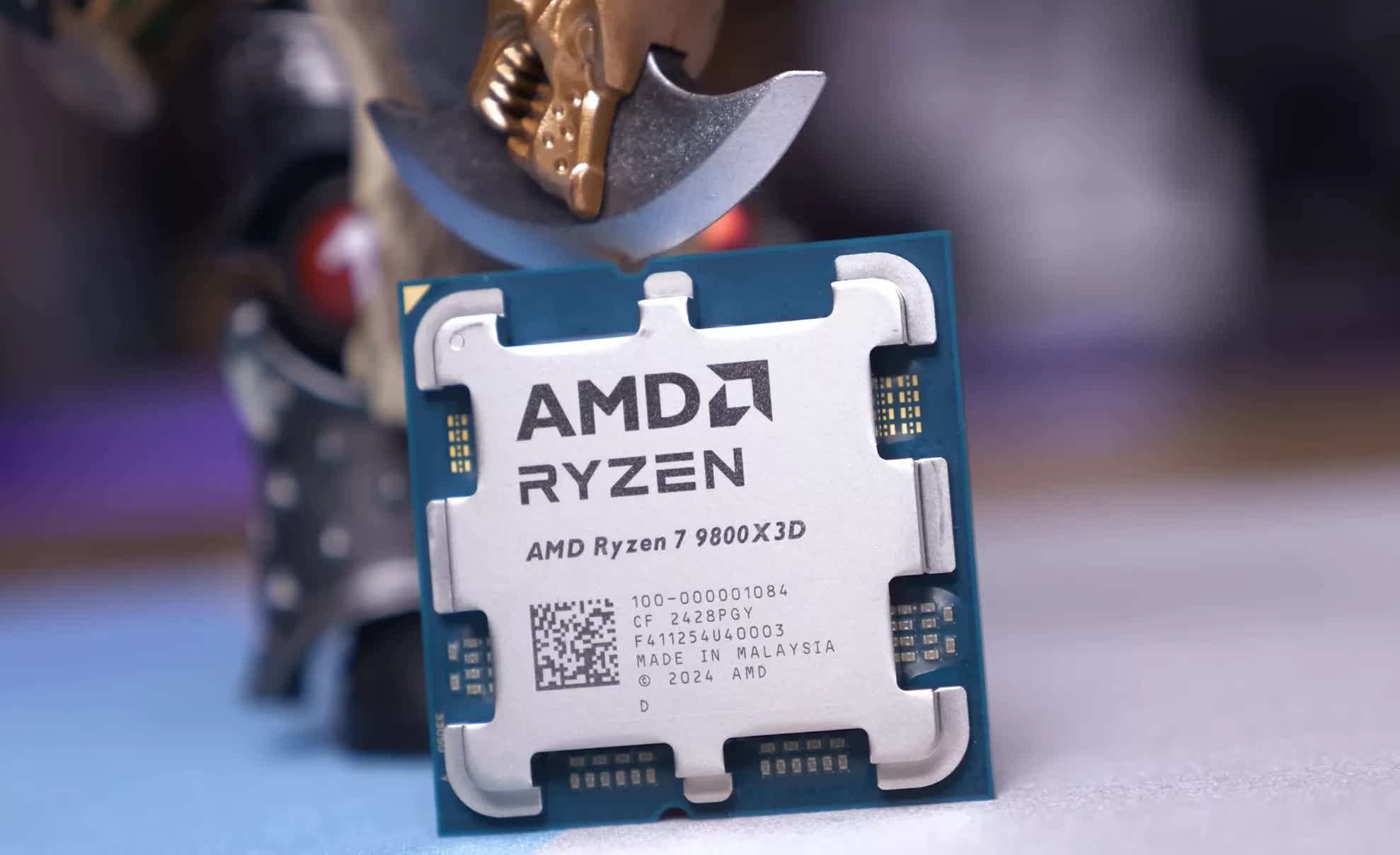
As noted, the 9800X3D is extremely popular simply because it's clearly the top performer, and gamers love having the best. But the truth is, not everyone needs it. For many players, our earlier recommendation – the Ryzen 7 9700X – will perform just as well while offering far better value.
That's because in most modern games, performance is limited by the GPU rather than the CPU. With a capable processor like the 9700X, your frame rate will almost always hit a GPU bottleneck long before the CPU becomes a factor. There are exceptions, mainly competitive shooters, along with certain strategy, city-builder, and turn-based titles – but for most gamers, the GPU will be the limiting factor far more often than the CPU. Keep that in mind when choosing what to buy.
Best Productivity CPUs
AMD Ryzen 9 9950X3D or AMD Ryzen 9 9950X

Time for the best productivity CPU, and there are only a few real contenders: the Ryzen 9 9950X, the 9950X3D, and the Core Ultra 9 285K. The outright fastest of the group is unsurprisingly, the most expensive: the 9950X3D, which currently costs $700.
But if your workloads don't benefit from 3D V-Cache and you're not gaming, the standard 9950X offers better value at $600. There's also the 9900X3D at $600, though most users will be better served by the 16-core models.
Then we have Intel's Core Ultra 9 285K, which is readily available and heavily discounted at around $530, making it a very appealing option for high-end productivity. That puts it roughly 12% cheaper than the 9950X, and depending on the workload, the 285K can even come out ahead. You'll want to check benchmarks specific to your applications to know for sure.
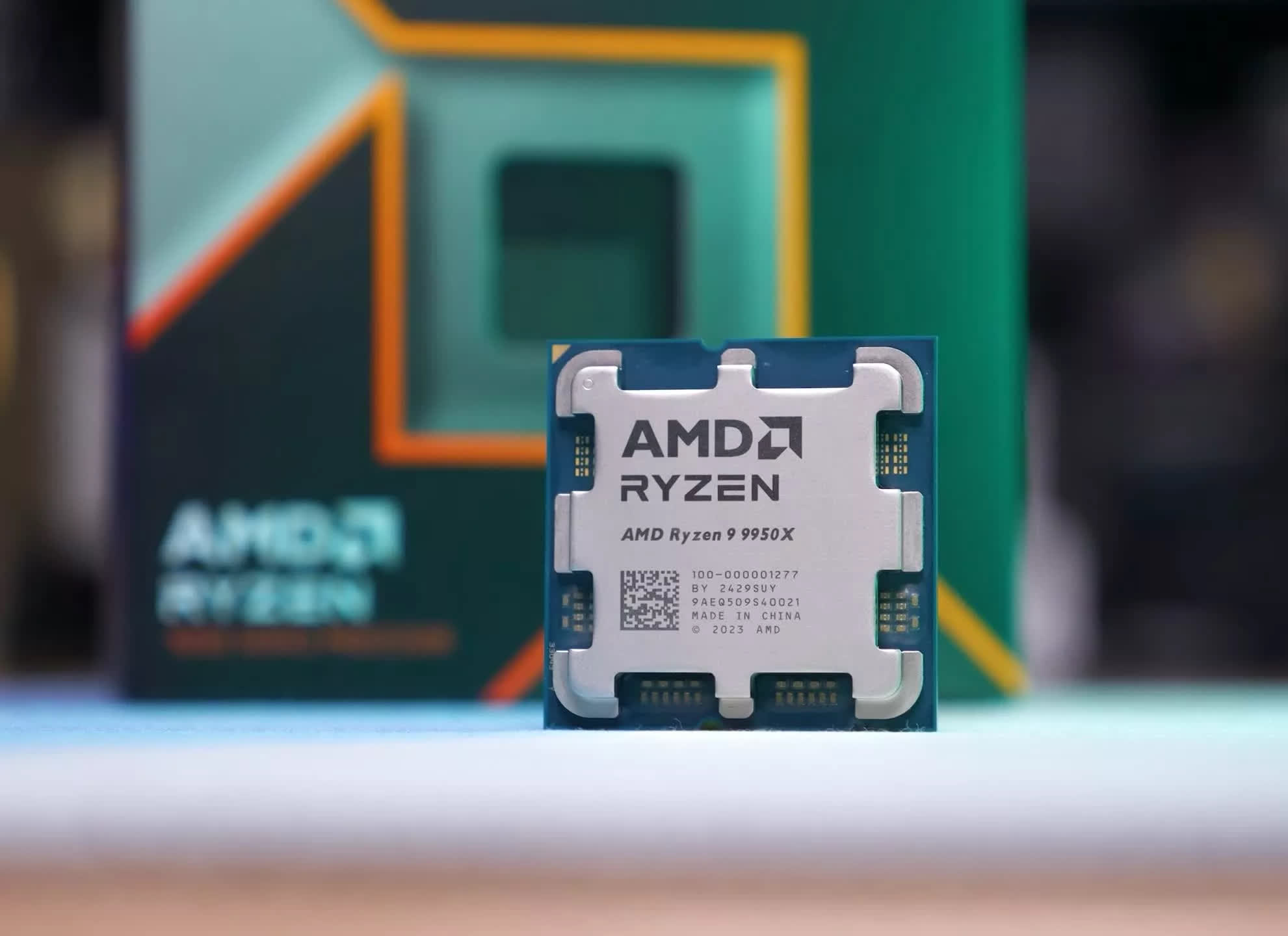
The problem with the Core Ultra, as with all current Intel CPUs, is the lack of an upgrade path. Any future upgrade requires a new CPU, motherboard, and potentially new memory. AM5, on the other hand, is set to support upcoming Zen 6 processors, and possibly even the generation after that, which in our view makes paying a small premium now worthwhile.
So while Intel has trimmed nearly $100 off the 285K's original MSRP, they'd really need to cut another $100 to make it competitive, effectively giving you a Z890 motherboard for free compared to an equivalent AMD build.