France starts moving government systems from Windows to Linux

Daniel Sims

Posts: 2,480   +75
Staff
The big picture: European governments have long sought to reduce their dependency on non-European (I.e., American) software. While individual municipalities and government sectors have recently begun switching to homegrown options, France's latest announcement signals a broader shift away from tools such as Windows, Microsoft Office, Zoom, and Google Docs.
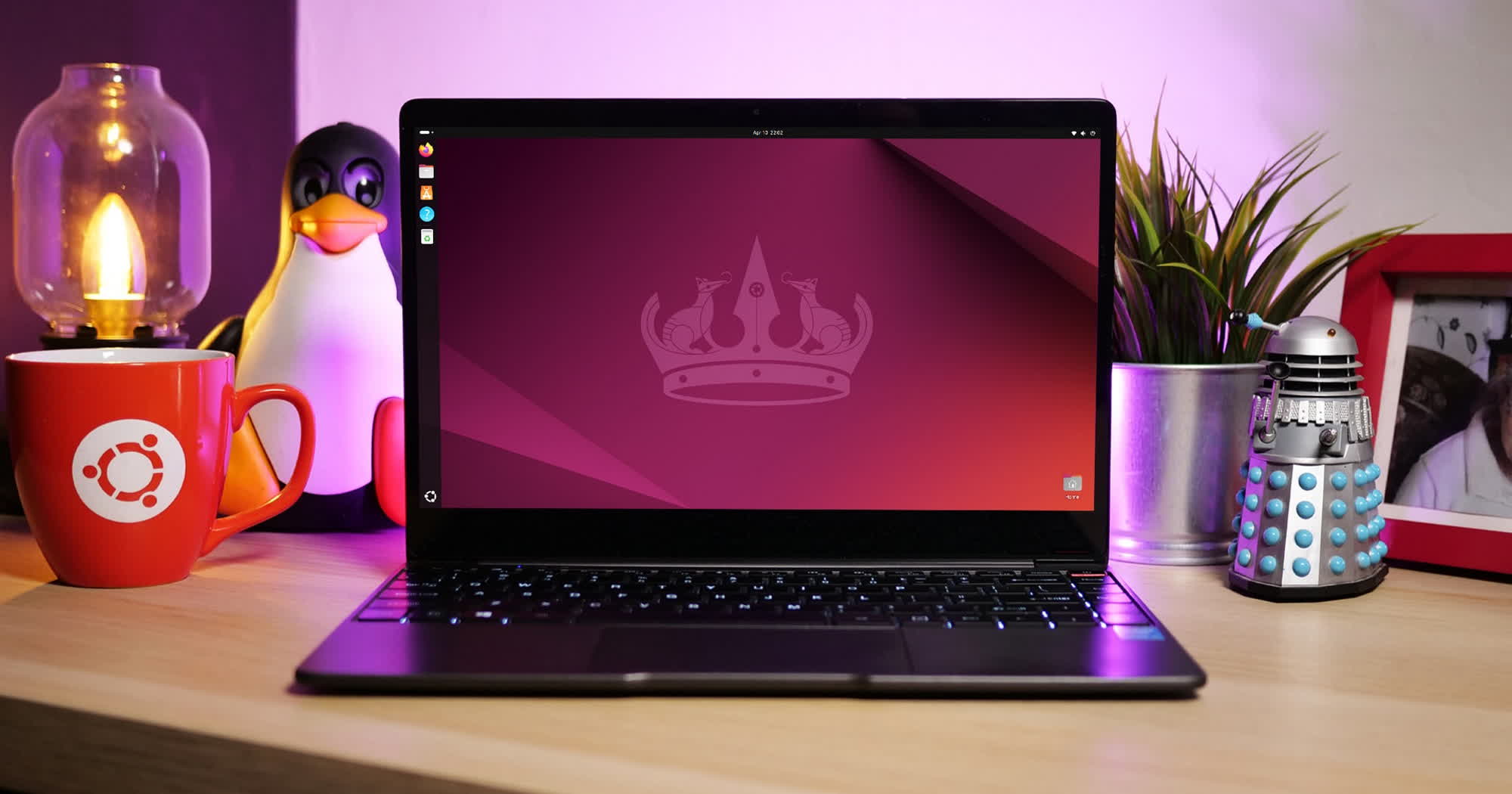
Linuxiac reports that France's Inter-ministerial Digital Directorate (DINUM) has revealed a roadmap for shifting the country's government systems away from non-European software. This includes switching from Windows to Linux and adopting various European-developed apps.

The switch to Linux applies to desktop operating systems, but ministries across France's government have until this fall to formalize plans to reduce their dependence on non-European tools in other areas. These include workstations, collaboration, security, AI, databases, virtualization, and network equipment.

DINUM specifically mentioned homegrown tools such as the Tchap messaging service, Zoom alternative Visio, and FranceTransfer for document transfers. The directorate will hold its first meetings to outline public-private partnerships in service of the initiative in June.

The announcement marks the biggest sign so far that European governments intend to reduce their reliance on American tech companies such as Microsoft, Google, and Apple. The European Union has repeatedly attempted to regulate big tech in recent years.

France accused the US last year of attempting to undermine the enforcement of the Digital Services Act and Digital Markets Act, which are aimed at forcing the biggest companies, particularly Apple, to adhere to interoperability and fairness rules. Openness and interoperability have been consistent themes of European digital sovereignty initiatives, as France and other governments have gradually rolled out or switched to open-source tools that US tech giants do not control.

Along with Germany, France unveiled Docs last March, a Google Docs alternative for collaboration and offline or cloud-based word processing. Later that year, the government of the German state of Schleswig-Holstein announced plans to switch from Microsoft Teams to LibreOffice, an open-source alternative to Microsoft Office. In October, the International Criminal Court announced a shift to a similar suite called OpenDesk. France also announced its switch to Visio in January, and a European consortium announced an OnlyOffice fork, called Euro-Office, last month.

Controversies surrounding Microsoft and other US tech companies have led to increased interest in Linux. Popular distros that still receive support include Fedora, ParrotOS, Tiny Core Linux, elementary OS, and Kali Linux. Linux gaming options have also improved dramatically in recent years, with Bazzite and CachyOS able to run most Windows games, often with better performance.

Permalink to story:

 
It only took us over two decades.

I remember when this was discussed back in the day, I think the national Gendarmerie was the first to either do it or try to do it, other should have followed then Microsoft lobbying went in full force and it fizzle out in dark rooms.

Well, better late than never.
 
Europe continues to sever ties with the US as fast as it can.
That’s a bit of a stretch.

Moves like France shifting some systems to Linux aren’t about “cutting ties” with the U.S., they’re about reducing dependence on any single foreign vendor and having more control over their own infrastructure. Governments do this all the time, including the U.S.

They’re still using plenty of American tech and working closely with the U.S. on trade, defense, and intelligence. It's not some dramatic breakup.
 
I’d like to see some progress on getting schools off American companies, that would make a massive difference over time.

First step is public sector though, they can fund it and iron out the kinks.
Very true on the long term larger impact of education.

But the bureaucracies of modern governments are quite large so it can still move millions of people to linux which shifts the profit incentives for software support for companies.

Windows, steam OS, and this EU push are all coming together to move linux from that ~2% a few years ago to a very different 6% by the end of 2026 (StatCounter estimate). Which is wild because that's beyond Mac in the early 2000s.
 
I really think that the disaster enginneers will get to work on the new system as soon as everyone moves to the other side of the street. Really, the real problem with Windows, is that holding 60% of the market and being the big boss, it is what is there to be hacked at and, therefore, the most profitable to be a target for malware software engineers. Most of the problems I personally encounter with windows comes from the constant modification of menus and procedures that every software company loves to do, (like maufacturers of autos do to change the cosmetic design of the auto so you will have to go to them to get what you need to keep it up) as well as the never ending attacks by adware and outright serious viruses. I don't have many problems with the windows operating system itself ( which, to me, except for cosmetic changes has changed very little since the days of wxp). The guts of the operating system itself, called the registry, is still for the most part the same since before wxp and the methods of retrieval for what is there when it is needed is the same. They just keep changing the contextual menus and procedures so you will have to get whatever you need from them.I really still feel the reaper coming if everyone moves over.
 
Last edited:
I read about such bureaucratic endeavors once per month on average.
All of them end at the sloganeering stage.

I love Linux, but it is not a consumer OS. An attempt to enforce it on the technically illiterate bureaucracy will bring it to a halt - the bureaucrats will literally start pushing paper. Not to mention what a security nightmare it will be.
The good news is these bureaucratic initiatives usually die before a serious damage is done.
 
Wouldn't it cost more in maintenance considering how an average person sees Linux?
No, I do not doubt they can just hire people who know Linux. But that would not eliminate average user problem.

Furthermore, from my fairly recent experience, Linux is still a pain in the a** it was years ago when I was learning it. I am not talking about basic functions such as browsing the web or using a free office app.
I am talking about that one random driver or function you need that forces you to spend hours trying to make it work.
My issue was the driver for the GPU and the additional display. It worked flawlessly with rtx 3070, but it ended as soon as I got 5070ti.
The only thing that worked was a Linux reinstall. Surprisingly, it worked just fine when I ran it from a live USB. Eventually, I counted the time I spent and got reaffirmed that it is not something I have time for.
On a positive side, using it felt amazing. All the free apps are there, it also felt a lot smoother than Windows. I really liked using it when it worked.
France will end up paying more. And by the time they figure everything out and make it work flawlessly, they might think twice if this was the right decision.
 
I read about such bureaucratic endeavors once per month on average.
All of them end at the sloganeering stage.

I love Linux, but it is not a consumer OS. An attempt to enforce it on the technically illiterate bureaucracy will bring it to a halt - the bureaucrats will literally start pushing paper. Not to mention what a security nightmare it will be.
The good news is these bureaucratic initiatives usually die before a serious damage is done.
The financial incentives were not like they were before as MS has started choking the enterprise chicken for everything they can. Expensive software licensing was framed as affordable subscriptions, and now govs and orgs are seeing the truth of that lie.

Bureaucracy is making the push for change away from MS because of bottom lines and sovereignty, but the people who will implement the changes away from the MS ecosystem are far from technically illiterate. There's nothing special about the Windows or 365/Google/Zoom/Telegram environment for end users apart from familiarity. There's no real reason to continue using it outside of that anymore and people have been very busy developing enterprise alternatives. (and we are talking about managed enterprise environments here not consumer). All that is required is training, click on the orange button not the blue one, click on this office application not the other one, click on this meetings app not that one.

So real the question is: How much productivity can we afford to lose before we break even?
And the answer is: A hell of a lot, and then we're way ahead in the race every moment that passes.

Interoperability with other enterprises has been an issue because MS&Co is so pervasive and presents "unexpected" compatibility issues when working with other organisations. France is the first to push nationally to throw off the US tech yoke, and many will follow. It's simple economics, plus national security.

Not sure what security nightmare you are referring to either. Windows is an absolute clusterfk of daily pwns on enterprise level.

I get your skepticism, we remember when Munich went OpenOffice but rolled back last decade. The pressure is much greater now though. Many billions of dollars greater. The government orgs doing it now are much more incentivized. The list of Euro governments moving away is growing. That's why you keep hearing about it, because it's happening, not because it's failing.
 
Curious to see how this will turn out.
I remember a similar experiment that did not go well but who knows? The situation is a bit different this time - other place, other time and that Microsoft seems to have lost its way may turn out to be a factor too.

The "year of the linux desktop" comments never made sense to me. I've seen a LOT of those over the years and they were all typed by people who WANT others to use the OS théy use, which is a suspect motivation in any case.
 
Wouldn't it cost more in maintenance considering how an average person sees Linux?
No, I do not doubt they can just hire people who know Linux. But that would not eliminate average user problem.
Maintenance costs should be about the same, as it's the IT staff and not the end users who will be doing the leg work to get the systems running. All the end users need to do is run their applications to perform their duties as usual, only now they will be using different applications.
 
They had a Mandriva Linux distribution (Red Hat). Why did these *****s bury it?
When the “democrats” come to power in the USA, there will be a transition to Windows again.
 
Last edited:
They’re still using plenty of American tech and working closely with the U.S. on trade, defense, and intelligence. It's not some dramatic breakup.
It's not a dramatic breakup. It's more like a slow motion train wreck or that bullet time effect they used in the Matrix. Picture the US slowly falling on its ***. The next three years are going to be wild. Let's see how much more damage they can do to international relations and the global economy. Maybe the Stable Genius tries to attack Cuba next, then leaves NATO, and takes Greenland. What a trifecta that would be!
 
I’d like to see some progress on getting schools off American companies, that would make a massive difference over time.

First step is public sector though, they can fund it and iron out the kinks.
That's an interesting point, we could save billions on education by switching schools over to Linux and open source software. Getting this stuff in schools is how we get people locked in to windows and Mac eco systems. Adobe has became the giant that it is by being the default that people use in schools. Not only are we paying to have people locked in for life, were stuck with any changes they want to make after they sell us their products.

This stuff made sense when tech was new and there was REAL need for windows and products like Adobe, but the alternatives are just as good and sometimes better
 
Bazzite and CachyOS are not the only alternatives that are able to run most Windows games. I've been running Nobara since October of last year (created by a highly esteemed Proton engineer) and am blown away by how awesome it is, and its community for support. I'm not a paid sponsor! You guys need to check Nobara out - seriously!!
 
I work for the US Government and we got off Microslop products like 5 years ago. Its completely doable!

Recently, with the Broadcomm fiasco with VMWare, we're looking to expand this the VM space with Red Hat OpenShift and Proxmox, which uses Debian Linux to replace VMware in our infrastructure.

With the enshitification of Microslop and the continued security issues we dont have a choice! As a Linux enthusiast we are extremely excited that our management is fully behind us!
 
I work for the US Government and we got off Microslop products like 5 years ago.
Except you didn't do anything of the sort. Even excluding all the Windows licenses, the DoD recently signed a multi-billion dollar deal with MS for Cloud services, and, just last September, the GSA another multi-billion dollar deal for 365, CoPilot, Azure, PowerBI, etc:

 
Europe continues to sever ties with the US as fast as it can.
That’s a bit of a stretch.
A friend in Moret-Sur-Loing, France sent me a copy from the French site Next INpact a week or 2 ago where they said many French companies are going to sever ties with anything related to the US in the following months.
In keeping with my lighter touch methods here, I will let everyone take a guess as to why, but this probably isn't the end.
 
That's an interesting point, we could save billions on education by switching schools over to Linux and open source software. Getting this stuff in schools is how we get people locked in to windows and Mac eco systems. Adobe has became the giant that it is by being the default that people use in schools. Not only are we paying to have people locked in for life, were stuck with any changes they want to make after they sell us their products.

This stuff made sense when tech was new and there was REAL need for windows and products like Adobe, but the alternatives are just as good and sometimes better
Exactly that, at the moment, kids go to school, and they learn Windows for the most part, along with Microsoft Office and Adobe suite. Some schools are "rebels" with going all in on Google.

My long term stance on this is, if schools used a linux distro, (it doesn't have to be an existing flavour, it can be a custom one designed specifically for schools, the money that currently goes to Microsoft, can go to maintaining that instead), kids would learn linux before anything else, There's a much higher chance kids would leave school, have played around with different linux distro's and simply not be scared of linux, they probably would prefer it since it's actually free to use at home whilst not gathering all their personal data for a giant mega corporations.

This would have longterm and lasting effects, e-waste would be down, as more people would be happy to keep hardware longer as Linux supports that, peoples personal infomation will be less likely to be harvested and sold, open source software would get a huge uplift of support and investment.

Then there's the potential for things to really change, remember, open source doesn't mean free, we might see more companies open source their software, Microsoft, Google, they'll have to actually make good products again and not just mega telemetry advertisments disguised as OS's, potentially more competition for Android and iOS on the mobile side, developers would have to take linux seriously and become a mainstream platform that they support from the get go, universal API's like vulkan would start to be used more often than proprietary like DirectX etc...

I guess the TL;DR is, if you can get the kids of today using linux, the benefits outway the negatives in a big way, but it's going to be some actual work to do, and American's will absolutely push back on it because for some reason, having a mega corporation teach the youth is a good thing.
 
My long term stance on this is, if schools used a linux distro... the money that currently goes to Microsoft, can go to maintaining that instead), kids would learn linux before anything else, There's a much higher chance kids would leave school, have played around with different linux distro's and simply not be scared of linux, they probably would prefer it
Schools are for instructing, not promoting ideologies. With a 3% market share, pushing Linux would be doing students a disservice.

In any case, if you're referring to US K-12 schools, by and large they don't spend money on MS licenses, but instead the (free) Chromebooks and Google Apps, with about a 90% market share.

Finally, I'll note that both Chromebooks and Windows Education Edition contain instructor and institution management features that Linux AFAIK lacks, and is a substantially larger addition than simply compiling a custom distro.
 
Good intent by France. Not so sure if Linux is the answer though.

Whatever, good luck to them. Using MS for sensitive government work/information sounds down right dangerous. Even 12 years ago, Fine. But in 2026? MS just keeps losing credibility. As for "trust." No long exists re: MSlop.
 
Last edited:
Back