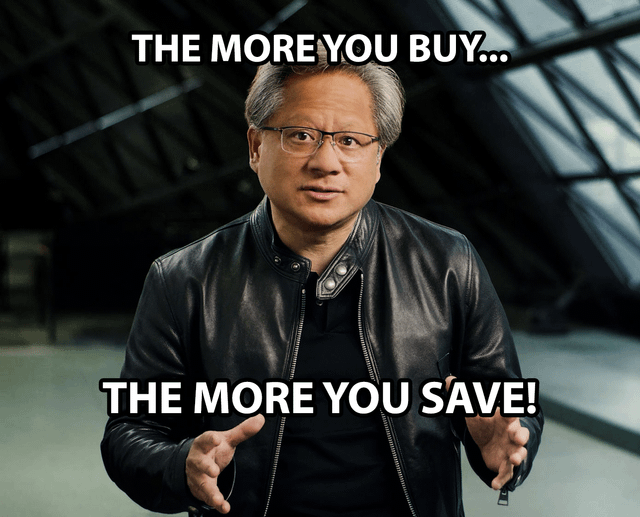
Winners & losers: Analysts, researchers, and even some tech giants have repeatedly warned that today's AI business is becoming a bubble. A big chunk of all AI investments currently mean purchasing Nvidia's processors, and the company is working to secure its position with a flurry of new partnerships. Unsurprisingly, Nvidia's CEO is among the few who openly dismiss claims that a bubble exists.
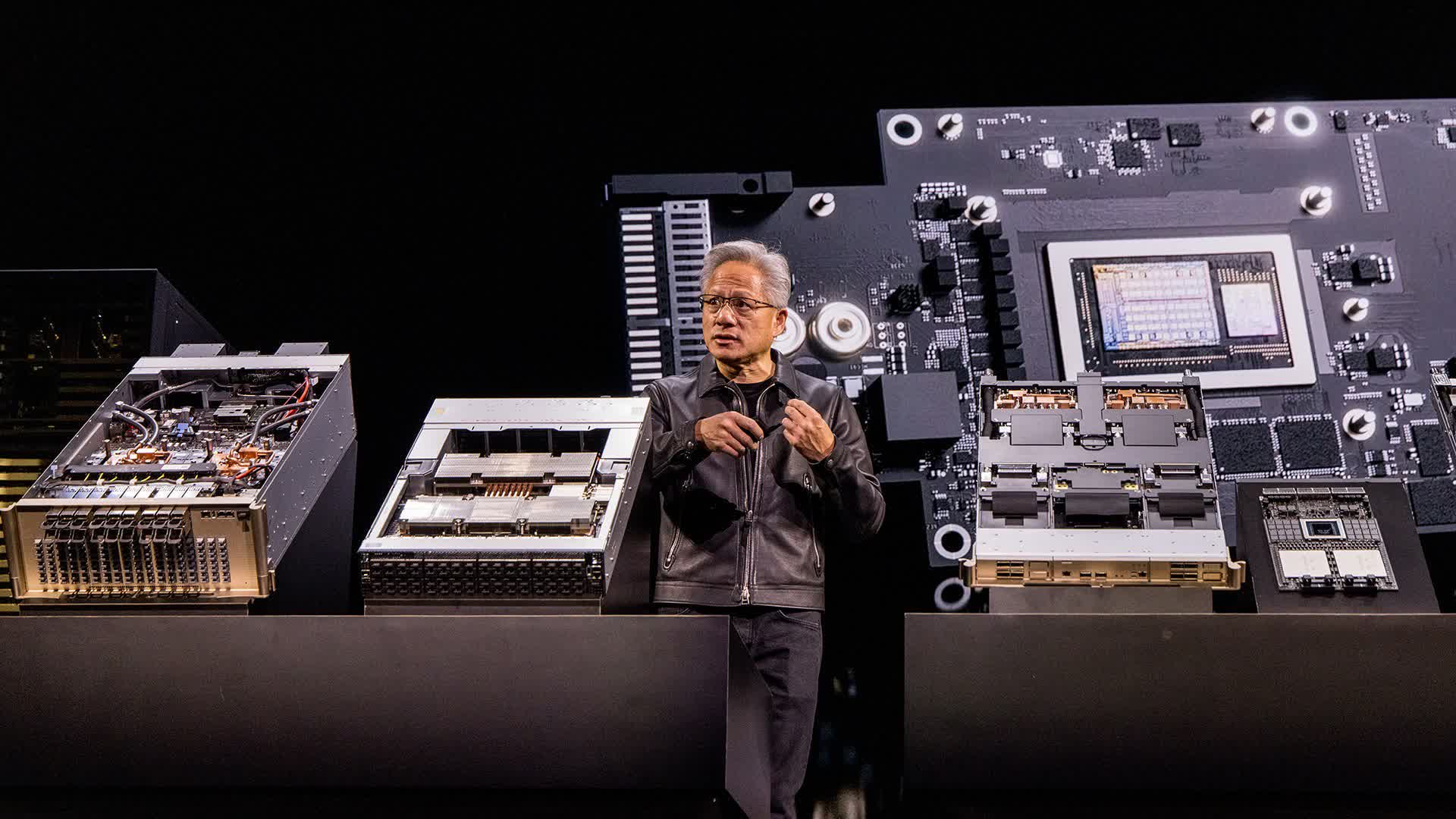
Nvidia CEO Jensen Huang recently told Bloomberg he doesn't believe the recent AI boom has become a bubble, breaking with months of warnings from across the business world. Speaking at the company's GTC conference in Washington DC, he characterized the current moment as a virtuous cycle.
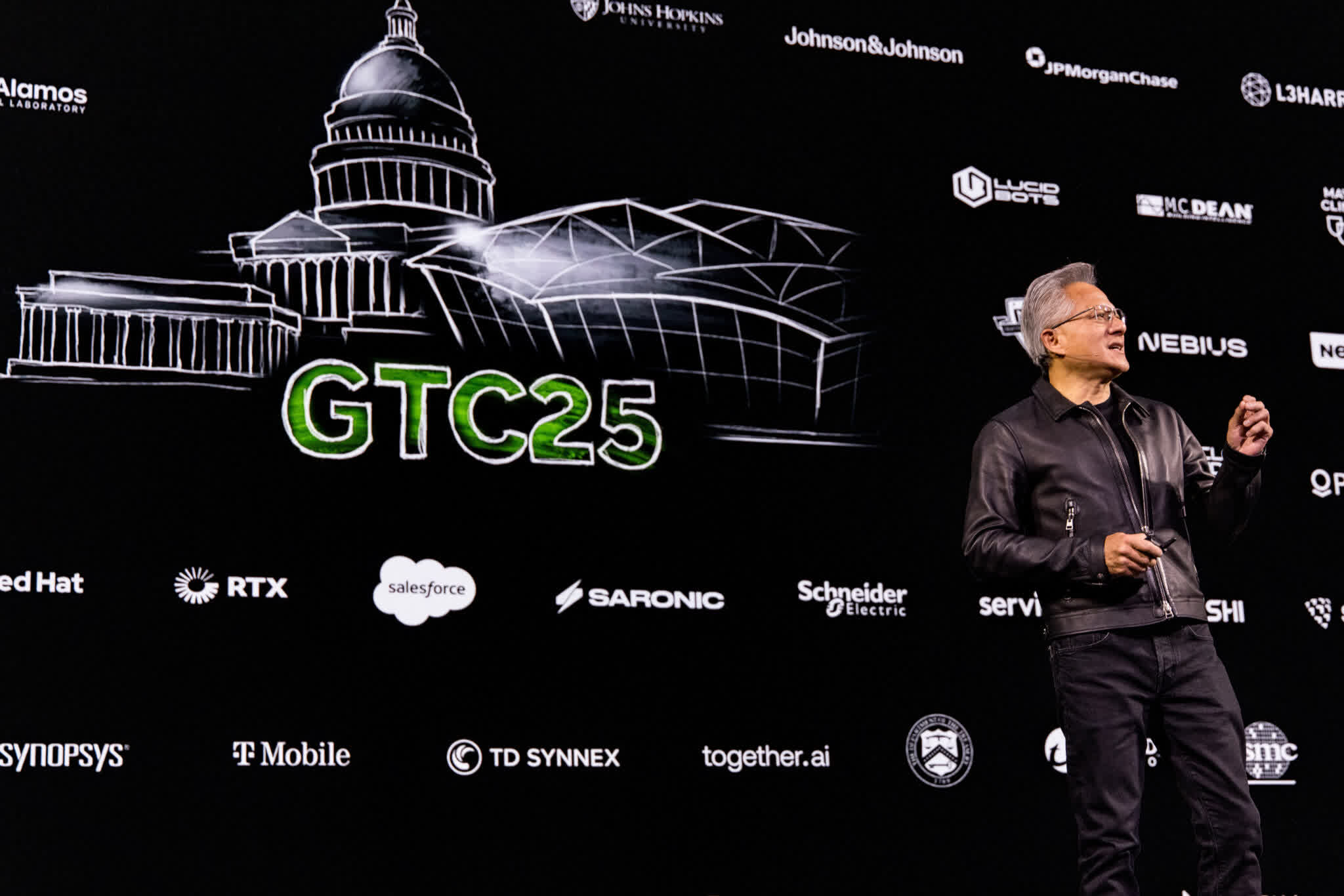
During the event, Huang announced numerous partnerships intended to accelerate the adoption of AI, which turned Nvidia into the world's first $4 trillion company.
These include a collaboration with Oracle to build an AI supercomputer for the US Department of Energy, deals to develop 6G technology for Nokia and US telecoms by using AI, a pledge to provide chips for Uber's global robotaxi expansion, and many more.
Nvidia also appears intent on protecting its leadership in AI hardware amid new competition. Qualcomm recently introduced two new server chips for AI inference, Microsoft seeks to lessen its reliance on Nvidia, and AMD is also partnering with the Department of Energy to build two supercomputers in a $1 billion project resembling Nvidia's.
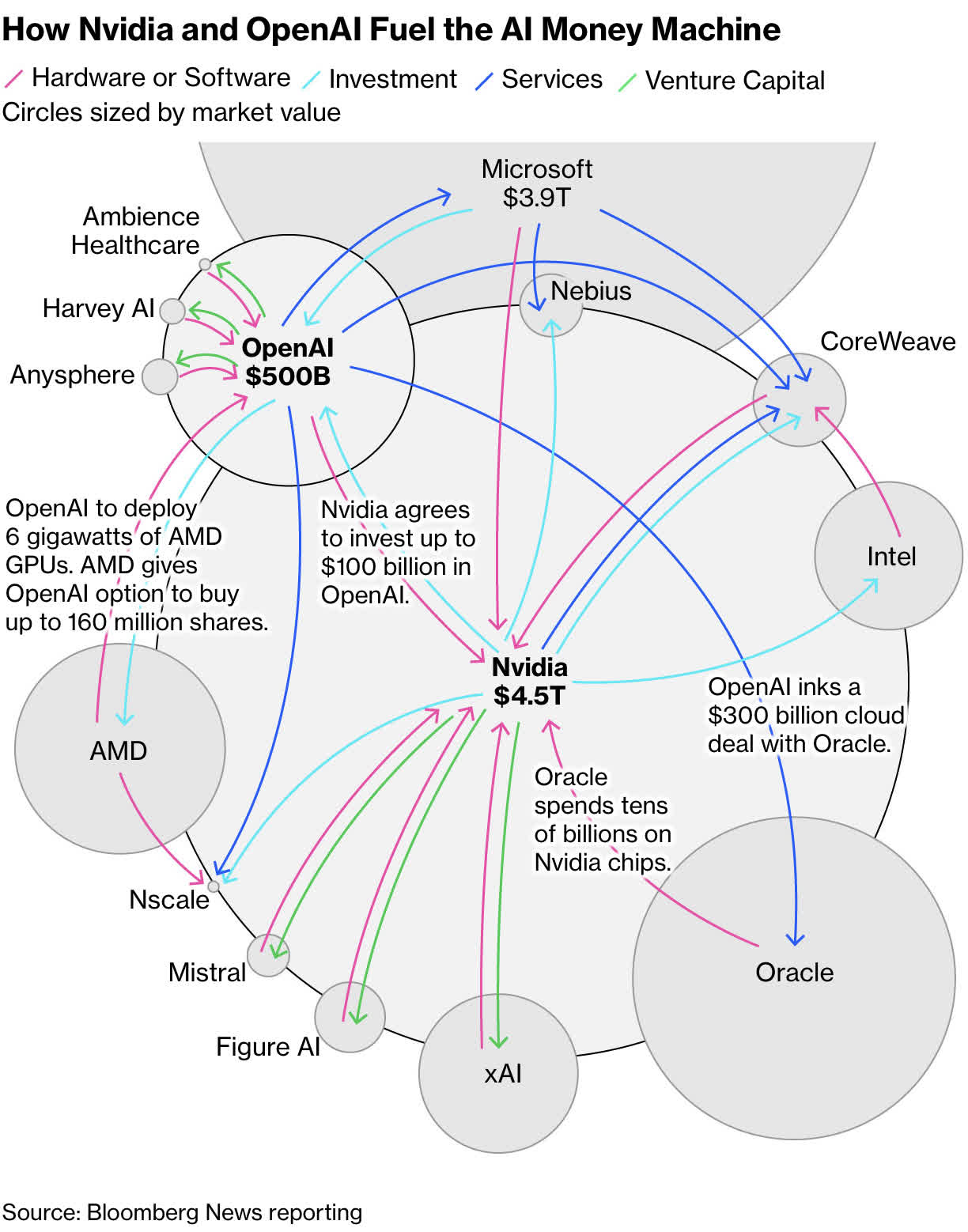
The dense network of deals between companies that also depend on Nvidia has triggered criticism of so called circular investment, a classic warning sign of a market bubble. Nvidia and AMD have described the cycle as mutually reinforcing, but skeptics have drawn comparisons to the late 1990s, when interdependent tech companies helped inflate the dot com bubble to unsustainable heights.
The warnings have grown louder. Deutsche Bank, MIT, and even OpenAI CEO Sam Altman have all cautioned that the AI boom could eclipse the dot com era in scale. Deutsche Bank argues that AI spending is singlehandedly preventing the United States economy from sliding into recession, while a recent MIT report found that 95 percent of AI ventures fail to turn a profit.
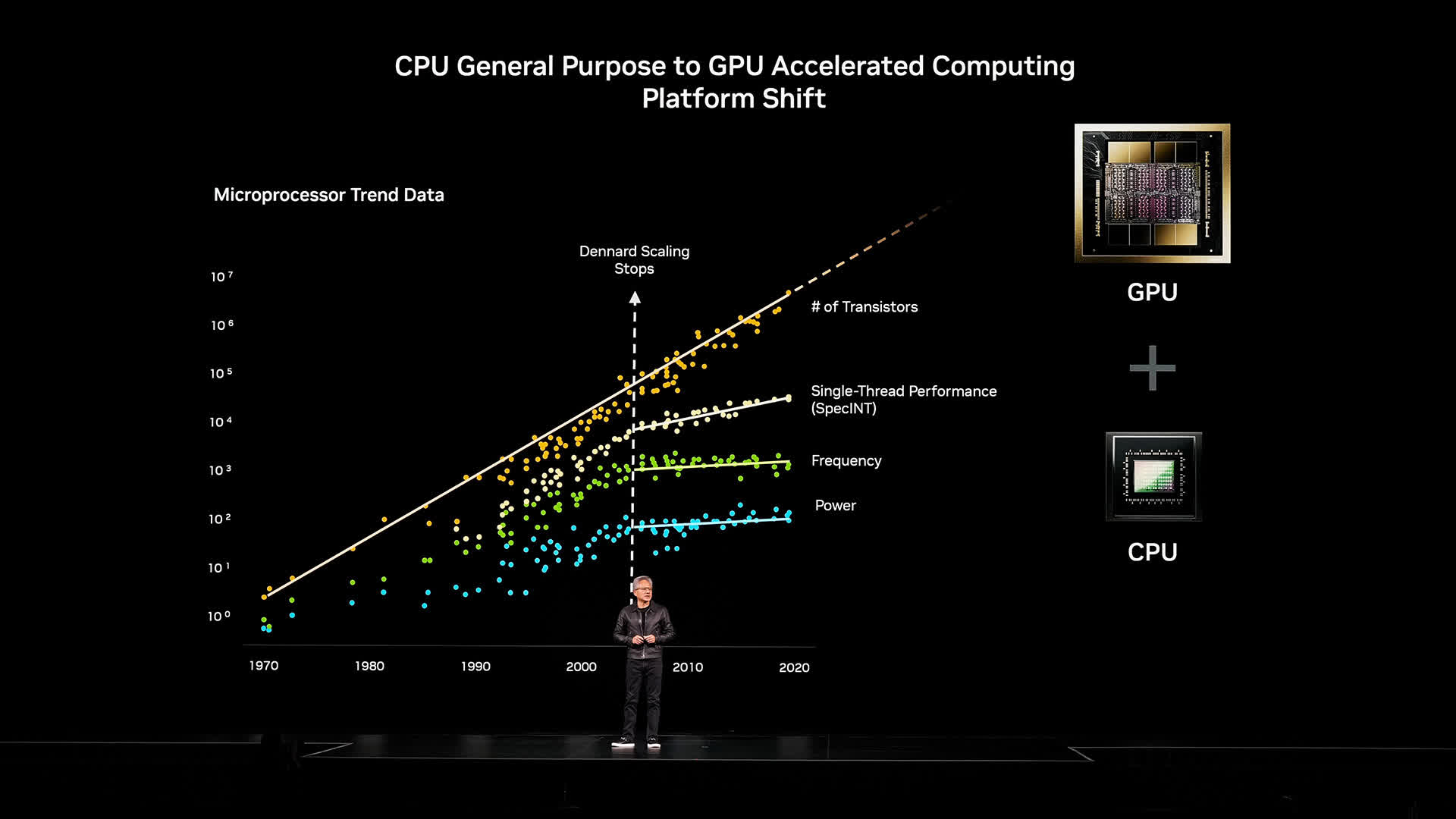
Nvidia remains the outlier. Its hardware powers most of the AI data centers currently being built, and estimates now place the company at roughly 8 percent of the S&P 500.
Even if AI is a bubble – and even if it bursts – the long term value of the technology is still an open question. Wired recently drew parallels to past platform shifts like electricity, radio, and commercial aviation, each of which inspired speculative bubbles before eventually settling into the infrastructure of modern life.
Nvidia, one of the few companies profiting from AI, claims there is no AI bubble