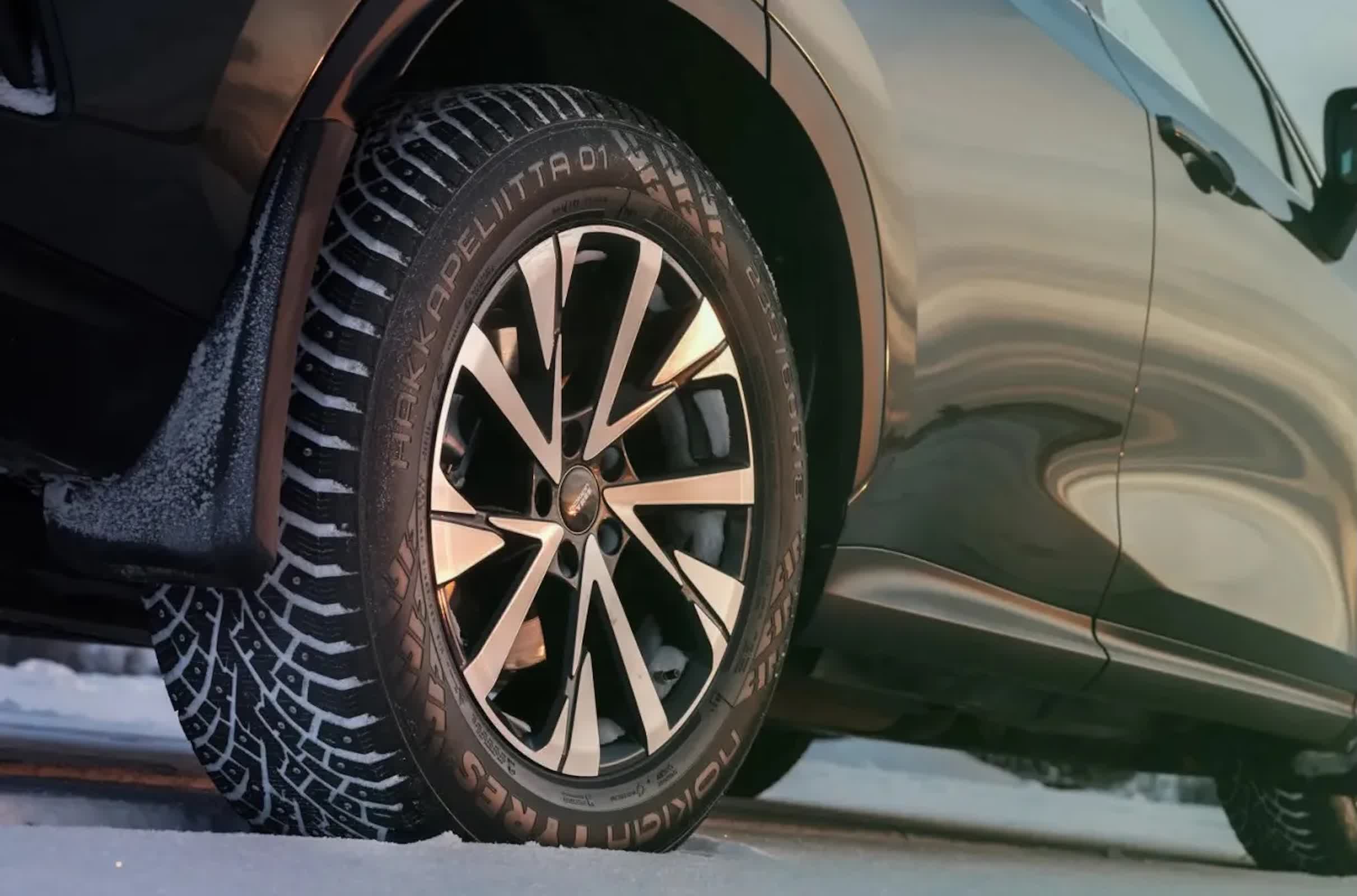
Highly anticipated: On a frozen Finnish test track, a sensorless innovation is changing how cars connect with ice. Nokian Tyres, a company that's spent decades building tread patterns for the planet's coldest regions, is preparing to release its most advanced winter tire yet: the Hakkapeliitta 01. It's a snow tire that knows when it's cold, and it responds – all without a single line of code or onboard electronics.
The tire's innovation lies in its material science. Studded tires have been around for generations, prized for their ability to grip frozen pavement. But they've always come with a tradeoff: noisy rides and road damage when the studs grind against asphalt on warmer days.
Nokian's engineers wanted both grip and smoothness, without requiring drivers to mount a second set of wheels each season. What they ended up building was a dynamic temperature-responsive structure that physically alters the tire's surface based on the ambient conditions.
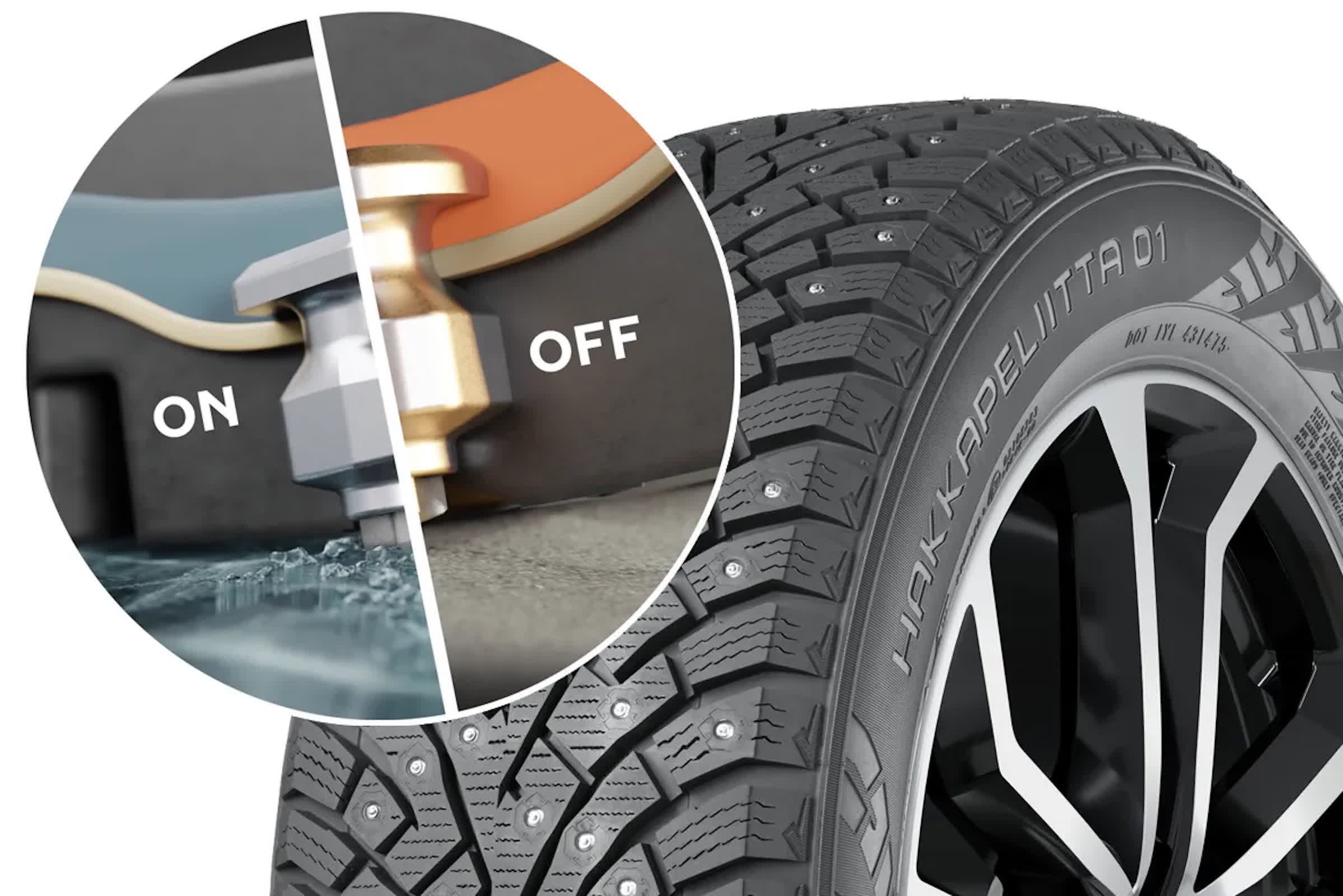
The Hakkapeliitta 01 has a layered structure that stiffens as temperatures fall. The intermediate layer hardens, pushing the metal studs outward into driving position. As the surroundings warm, that same layer softens, letting the studs retract beneath the rubber's exterior tread. The result is a quiet, adaptable tire that behaves very differently in winter chill than it does on dry pavement.
That elegant simplicity didn't come quickly. Nokian, which separated from Nokia's electronics business back in 1988, spent twelve years developing the Hakkapeliitta 01. The tire was developed for use in markets across North America and Europe, with a particular focus on Nordic winter conditions where freeze-thaw cycles can turn roads from slick ice to bare tarmac within hours. The company plans to release the tire later this year in a variety of sizes.
According to Nokian, the Hakkapeliitta 01 improves ice traction by up to 10 percent compared with its predecessor, the Hakkapeliitta 10. More strikingly, the design reduces road wear by roughly 30 percent – a meaningful reduction for cities that struggle with pavement degradation caused by traditional studded tires. For highway authorities, the environmental and maintenance implications are as appealing as the performance numbers.
Even with that intelligence built into its materials, the tire isn't foolproof. The system responds only to temperature, so in some conditions it might extend its studs even when there's no snow or ice. That's an unavoidable limitation of relying on physics rather than digital sensing.
Yet it's also part of the appeal: the engineering keeps the tire reliable and maintenance-free, avoiding the cost and complexity of embedded sensors or actuators. For most drivers, that means no behavior change – just better traction when it matters and quieter, smoother travel when it doesn't.