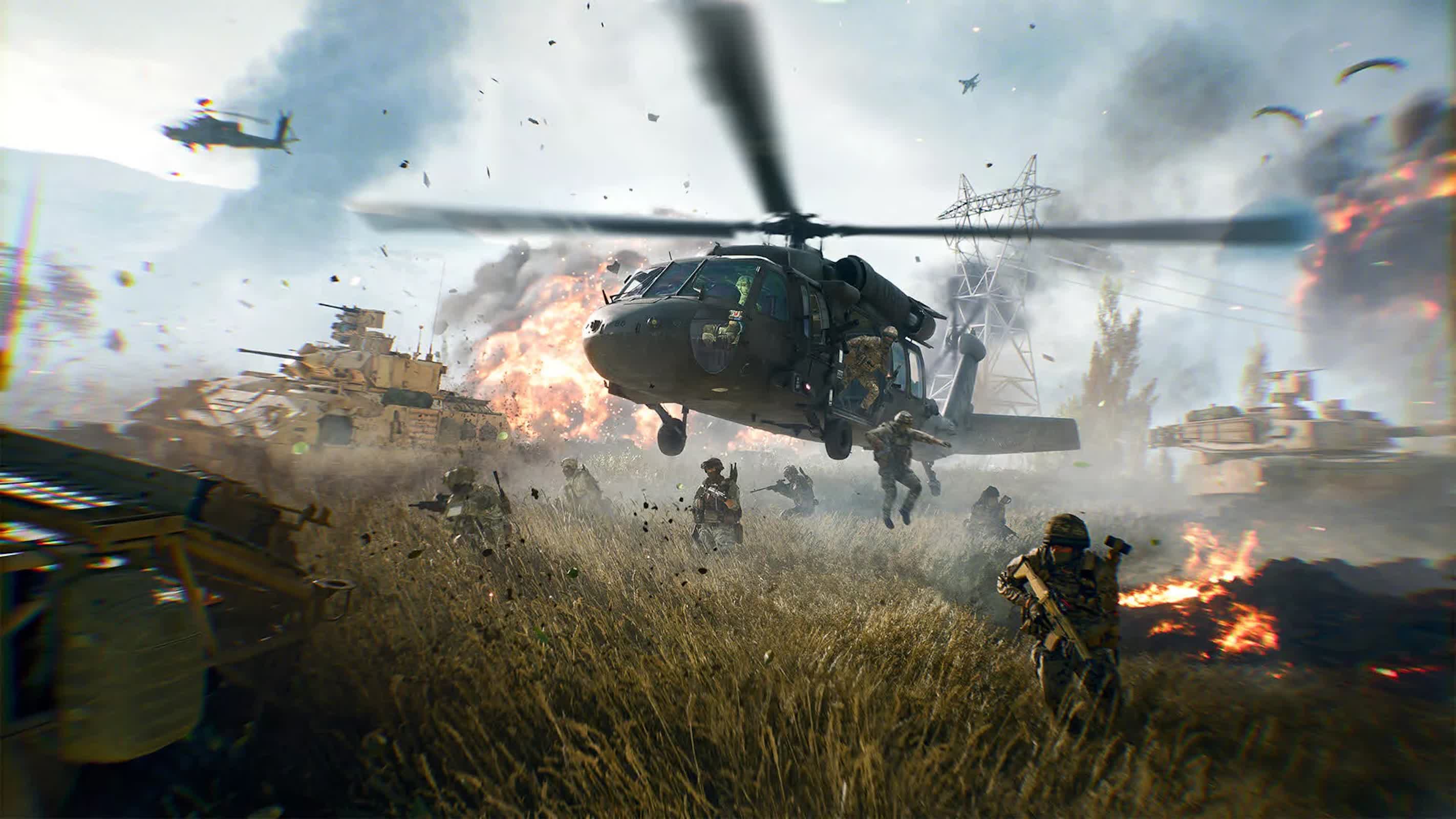
What just happened? EA is cutting staff across its Battlefield studios just months after Battlefield 6 delivered one of the strongest launches in the franchise's history, a move that comes amid ongoing tension between live-service demands, player backlash over technology choices, and a looming $55 billion takeover that will take the publisher private.
IGN has learned that EA has eliminated an undisclosed number of roles across the studios responsible for Battlefield 6, including Criterion, DICE, Ripple Effect, and Motive. Internally, affected staff are being told the cuts are part of a broader "realignment" of the Battlefield organization, even as all four studios are expected to remain operational.
Asked about the scope of the layoffs and the positions involved, EA declined to provide numbers but said it had "made select changes within our Battlefield organization to better align our teams around what matters most to our community," stressing that Battlefield remains one of its biggest priorities and that it will continue to invest in the series guided by player feedback and data from its Battlefield Labs testing environment.
Released last October on PC, PlayStation 5, and Xbox Series consoles, Battlefield 6 sold more than 7 million copies in its first three days, setting a new launch record for the franchise and quickly becoming the best-selling game of 2025 in the United States.
Also see: TechSpot's Battlefield 6 CPU and GPU benchmark reviews
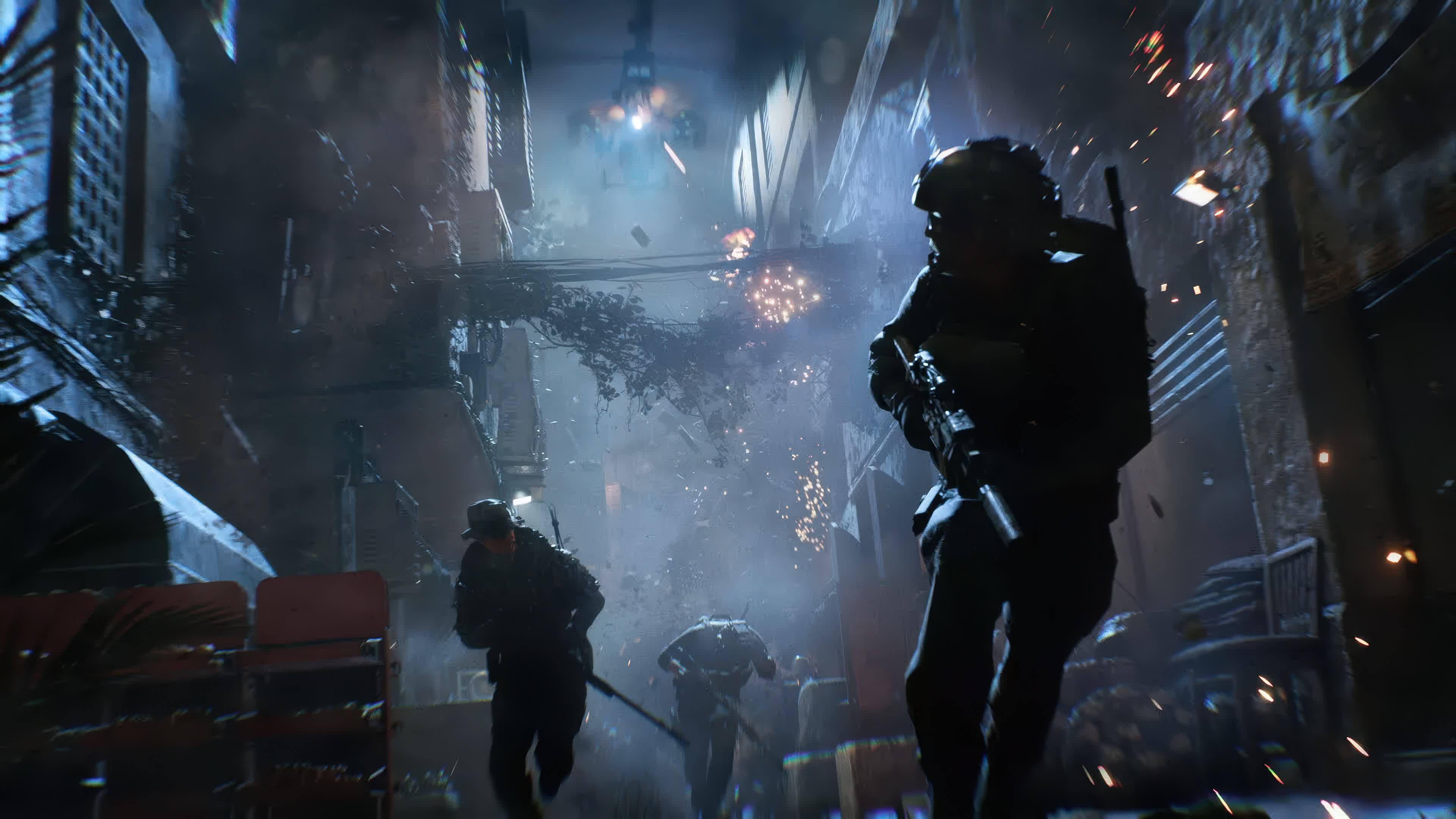
EA described the debut as "record-shattering," with players logging more than 172 million online matches and more than 15 million hours watched on streaming platforms during the opening weekend.
On PC, the game's early momentum was visible on Steam, where Battlefield 6 reached a peak of 747,440 concurrent players within a day of launch, placing it among the platform's most-played titles at the time. Those numbers have since fallen sharply, with recent peaks in the tens of thousands; on one recent day, around 67,000 concurrent players were on Valve's platform.
That decline has unfolded alongside a steady drumbeat of community criticism centered on Battlefield 6's live-service direction. Players cited aggressive monetization, the use of generative AI for in-game cosmetics, and a slower cadence of new content than they expected from a flagship shooter.
In response to the backlash, EA and its Battlefield studios adjusted their roadmap. Three months after launch, they delayed the start of Season 2 to allow more time to address feedback on everything from movement tuning and time-to-kill to cosmetic direction and progression balance. The team has since published a three-month roadmap outlining upcoming patches and content drops.
The layoffs also arrive during a period of upheaval for the franchise's leadership and its corporate parent.
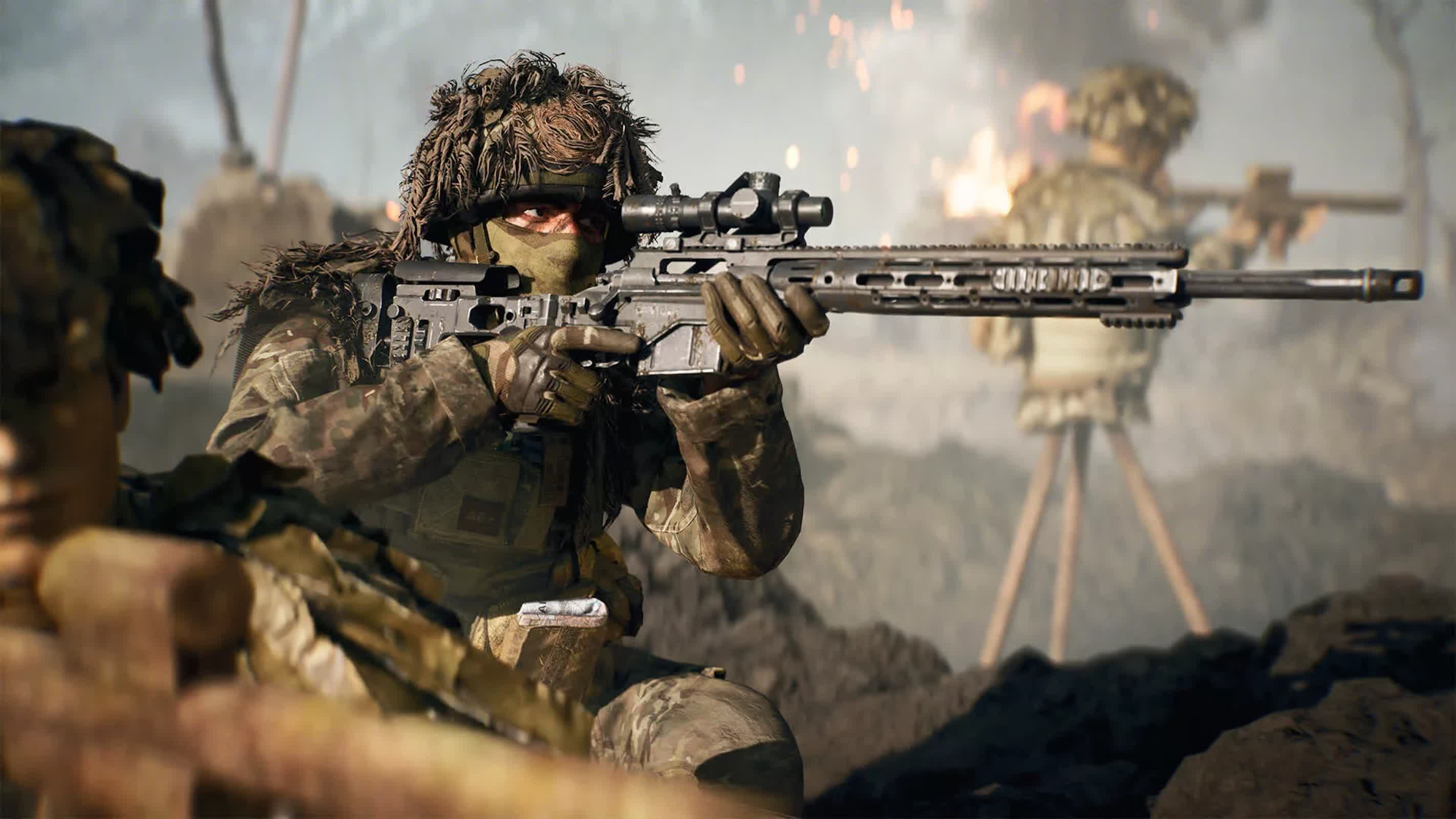
Vince Zampella, the Battlefield franchise head, co-creator of Call of Duty and co-founder of Respawn Entertainment, died unexpectedly in a car accident in late 2025, only two months after Battlefield 6's launch. His death removed a high-profile figure who had become closely associated with the series' attempt at a course correction after Battlefield 2042.
At the same time, EA is preparing to exit the public markets. The company has agreed to be taken private in a roughly $55 billion deal by an investor group led by Saudi Arabia's Public Investment Fund alongside Silver Lake and Affinity Partners, with the transaction expected to close in the first quarter of EA's 2027 fiscal year.
Inside EA, the company is telling staff that the Battlefield layoffs are not connected to the pending acquisition. Still, the timing – in the wake of a blockbuster launch, a rapid player-count slide, contentious use of generative AI, and a transition to private ownership – has stirred concern among developers and players about how much room the Battlefield teams will have to experiment with technology and live-service systems while responding to investor expectations.
For now, EA is signaling that it intends to keep Battlefield central to its portfolio, but it is doing so with smaller teams and a model that remains under intense scrutiny from the community.