If you're shopping for a new CPU right now, the timing is actually pretty good, and much better than you might expect considering the state of things with most other PC components.
In our last Best CPUs update, we couldn't recommend a single Intel processor without caveats. The Core Ultra 7 265K was the lone candidate, and even then only for productivity, and somewhat reluctantly. Platform longevity has become Intel's defining liability.
Our audience surveys consistently show that the vast majority of PC enthusiasts consider it a key buying factor, with fewer than 10% dismissing it entirely. As long as Intel's chips require a meaningful motherboard investment on a socket with no future, AMD's AM5 platform simply made more sense – just as AM4 had before it.
The fix wasn't subtle either. We argued that for Intel to become genuinely competitive, buyers needed to effectively get the motherboard for free relative to a comparable AMD build. We'll take some of the credit for what happened next: the Core Ultra 5 250K Plus and Core Ultra 7 270K Plus arrived priced aggressively enough that the motherboard essentially is free when you stack the combo against competing AMD options.
It's somewhat reminiscent of what AMD pulled off during the Zen and Zen 2 era, when relentless price cuts and long platform support gradually shifted the market in their favor. AMD's challenge back then was performance and ecosystem adoption. Intel already has the performance. What it lacked was the right price, and the 200 Plus series finally delivers it.
Platform concerns haven't disappeared entirely. LGA 1851 is still a dead end, and with Nova Lake expected to bring a new socket later this year or early next, longevity remains a valid question. But when the CPU and motherboard combo costs the same as a competing processor alone, the calculus shifts considerably, and right now Intel's offerings are genuinely hard to ignore.
No major new architectures from either AMD or Intel are expected until late 2026 at the earliest, a few notable models have landed in recent weeks, and some of our previous recommendations no longer hold. Here's where we'd put our money right now.

Best Budget CPU
AMD Ryzen 5 7500F

 Tech Specs

Sadly, budget CPU options are not great, especially if you want to jump on AMD or Intel's latest platform. From Intel, the Core Ultra 5 225F is the cheapest current-gen offering they have, and at $160 it's pretty horrible. Despite packing 6 P-Cores and 4 E-Cores, it only has the multi-core performance of the Ryzen 5 7500F while being much slower for gaming.
A few things hurt the 225F's performance: one is the 4.9 GHz boost clock, but the bigger issue is the measly 20 MB L3 cache, the smallest cache capacity of any Core Ultra 200 series processor. That's a big problem given these CPUs aren't particularly impressive for gaming performance to begin with.
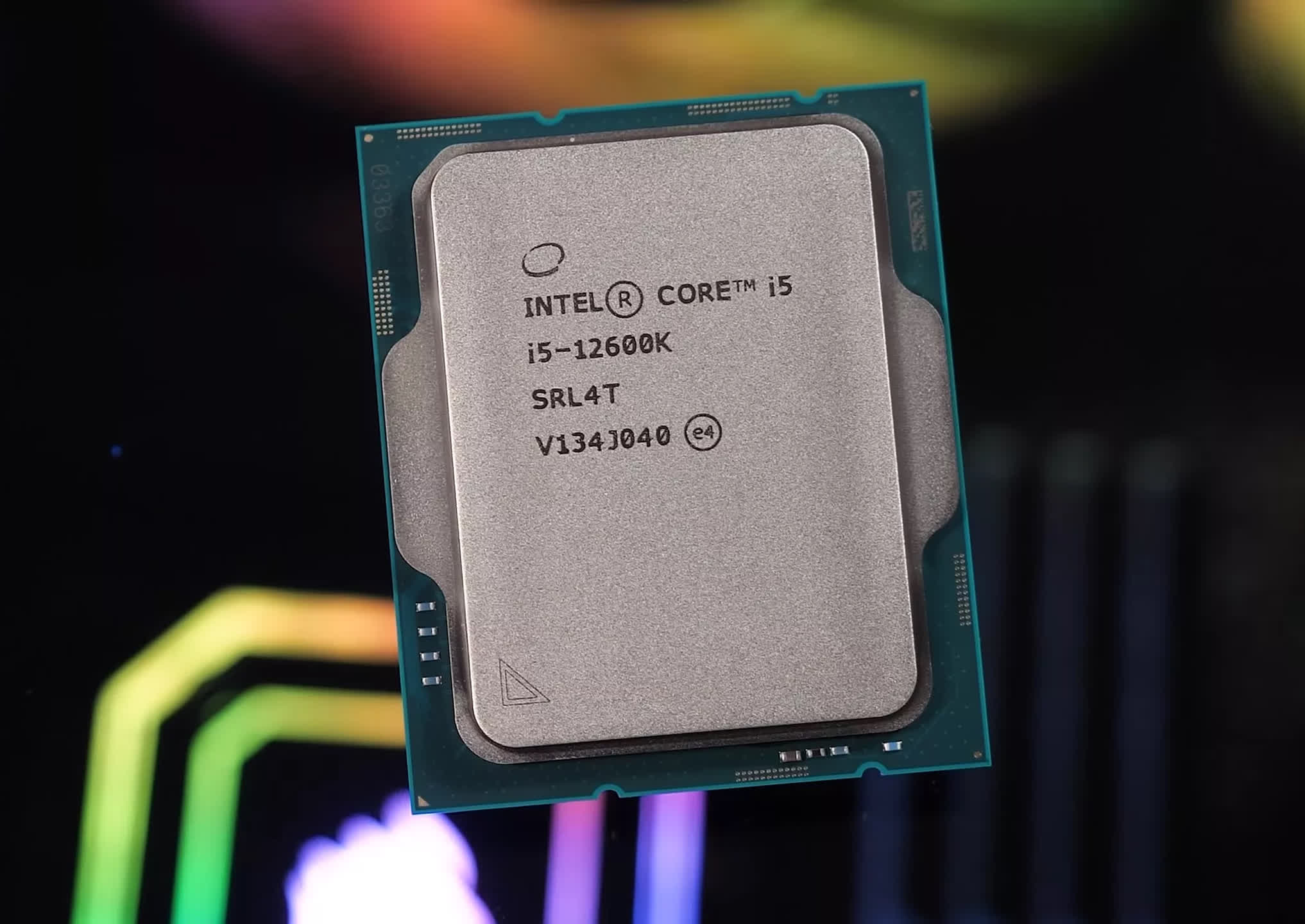
For the same money you can snag the Core i5-12600KF, which is a better processor offering roughly 10% better gaming and productivity performance. So if you were faced with either of these options, we'd strongly recommend the Core i5, but neither is ideal given both budget options are on dead platforms.
The 14600K did drop down to $160 back in September of last year, which was a better deal, delivering almost 20% better gaming performance and nearly 50% better multi-core productivity performance compared to the 225F, but it too is on a now-dead platform.
This is why we recommend the Ryzen 5 7500F for gamers. The Core i5s are possibly a better investment for productivity work, and the 14600K certainly was. That said, for gaming the 7500F is only slightly slower than the 14600K, making it an excellent value choice, particularly given its strong upgrade path.
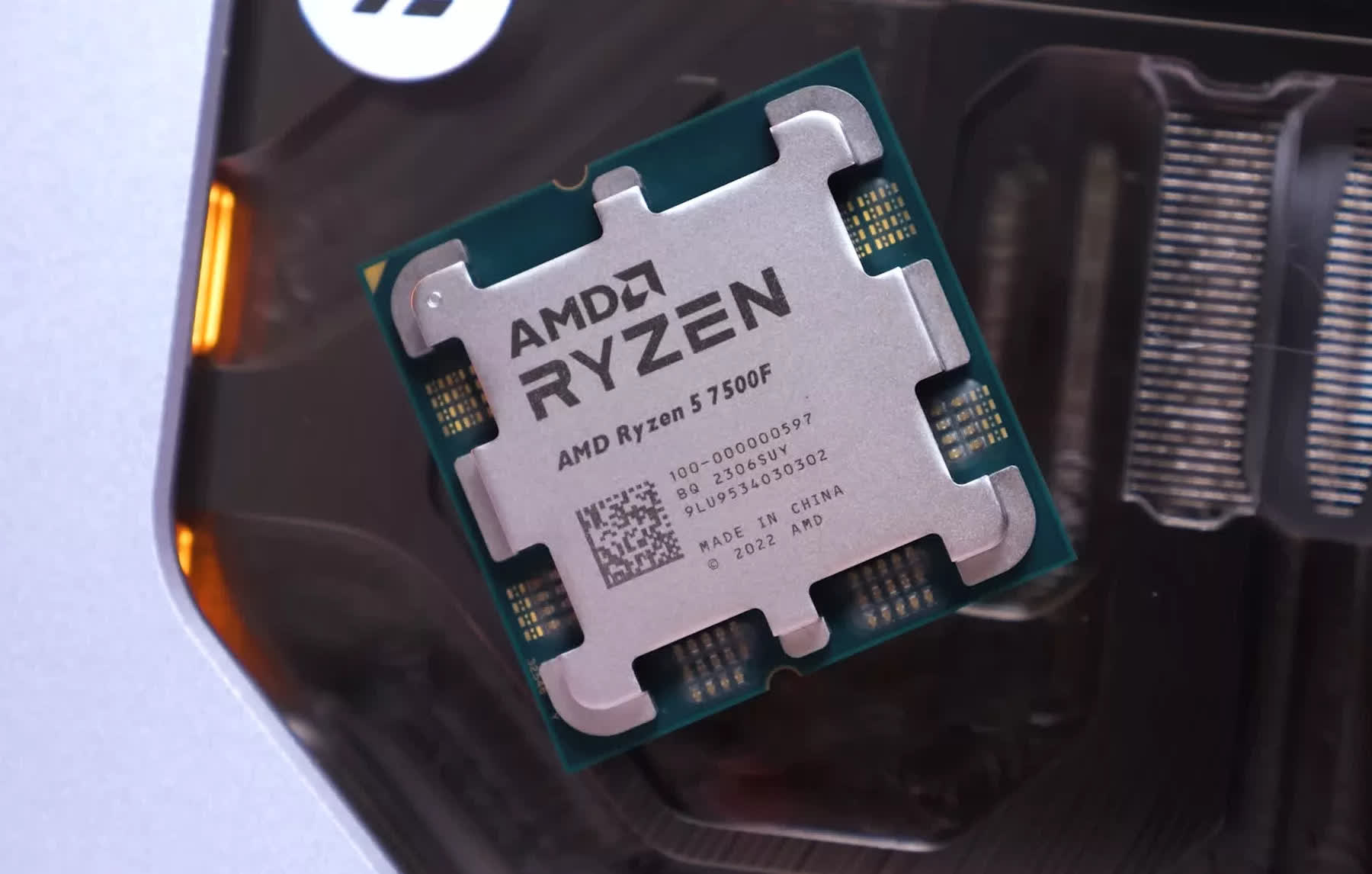
The big downside, however, is that it's not available in everywhere. To cite one example (where the 7500F is available), in Australia you can have it delivered to your door for just $175 AUD, which is 40% less than the Ryzen 5 7600, 51% less than the cheapest 14600K deal, and almost 30% less than the 225F. So for anyone with access to cheap 7500F deals, it's the budget CPU to get.
Best CPU for a New Gaming PC
Intel Core Ultra 5 250K Plus

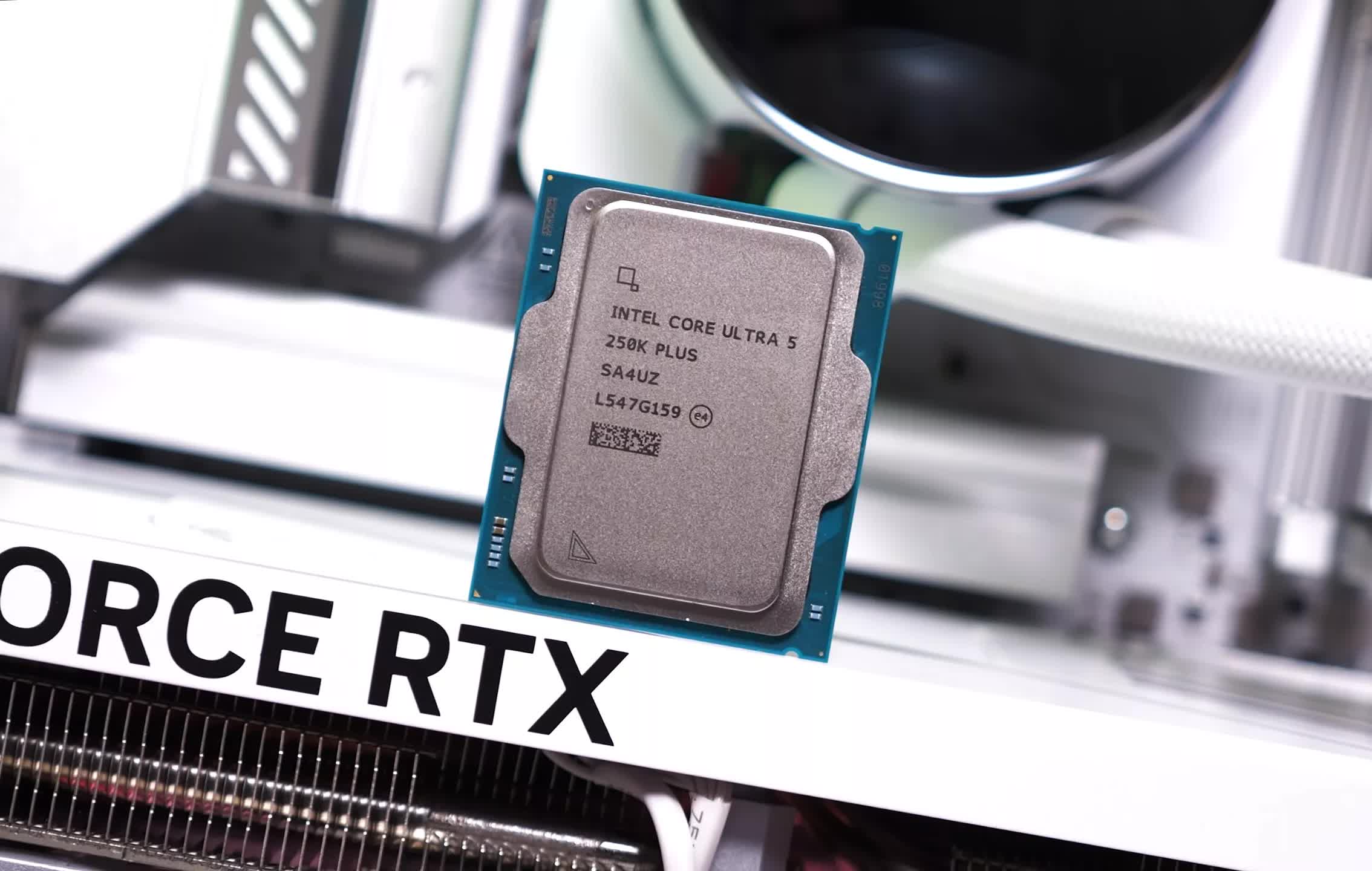
There is just one CPU worth considering in the $200-$250 price bracket, and it doesn't matter if you're gaming, working, or anything else. The 250K Plus has more cores to throw at the problem than you'll probably ever need.
Even if in some regions it can cost twice that of the Ryzen 5 7500F, it's more than twice the processor, especially when it comes to core heavy productivity workloads where it is at least twice as fast.
The 250K Plus packs 6 P-Cores clocked up to 5.3 GHz with a shared 30 MB L3 cache, plus 12 E-Cores. On top of that, the 250K Plus features a 43% increase in die-to-die frequency, jumping from 2.1 GHz to 3 GHz. This improvement fixed many of the latency issues found in the original Arrow Lake chips, leading to much better gaming performance.
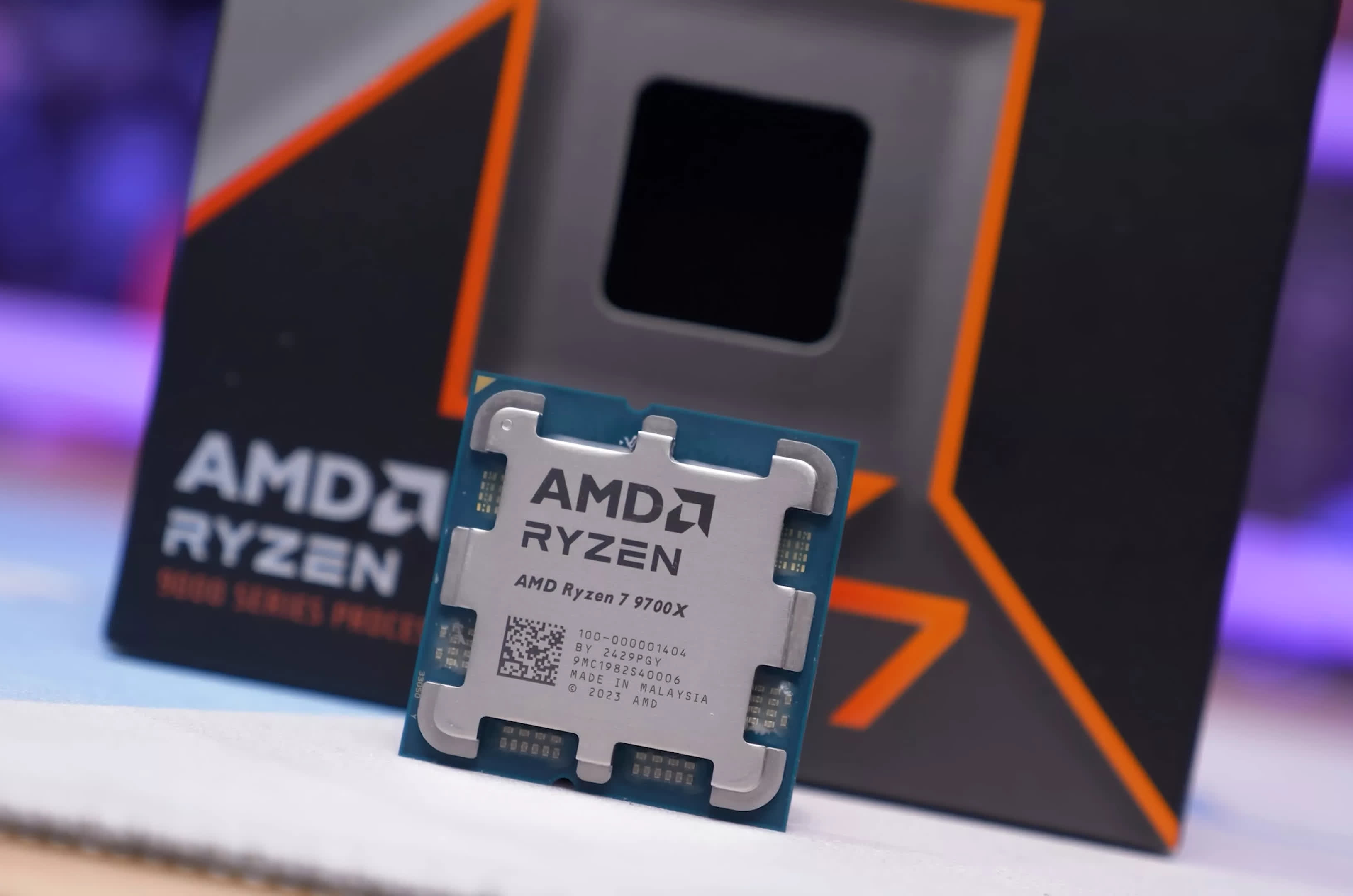
Currently AMD is floundering at this price point. While the Ryzen 7 9700X might deliver similar gaming performance, the 250K Plus is up to 50% faster in core-heavy productivity workloads. For comparable gaming and productivity performance from AMD, you'd need to spend at least $300 on the Ryzen 9 7900X, though that chip can be a bit sketchy for gaming at times. Ideally you'd want the 9900X, but that part costs $380, making the ideal AMD option over 70% more expensive.
Pricing can vary a lot depending on where you reside, but in many places we looked pricing up, you can buy the 250K Plus along with a quality ~$400 Z890 motherboard for the same price as the Ryzen 9 9900X alone, making Intel's dead platform issue a complete non-issue. Even in the US, you can snag a quality Z890 motherboard for $190, so couple that with the 250K Plus at $220 and you have a killer $410 combo.
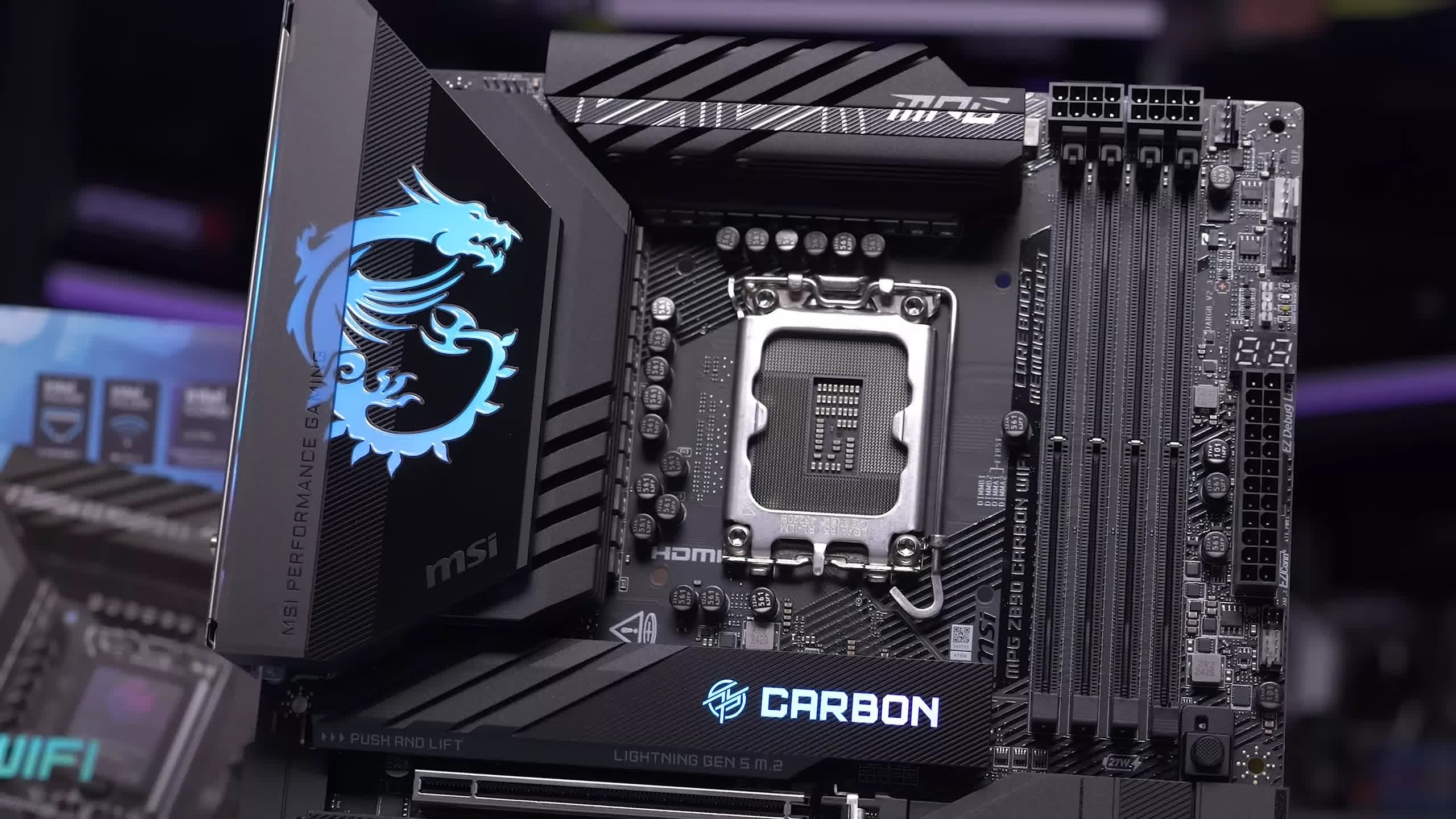
So while we would normally not recommend investing in Intel's dead LGA 1851 socket, especially with their new Nova Lake socket expected later this year, the 250K Plus is cheap enough that the deal makes sense, and it's frankly much better than anything AMD has on offer right now.
Best Value Mid-Range CPU
Intel Core Ultra 7 270K Plus

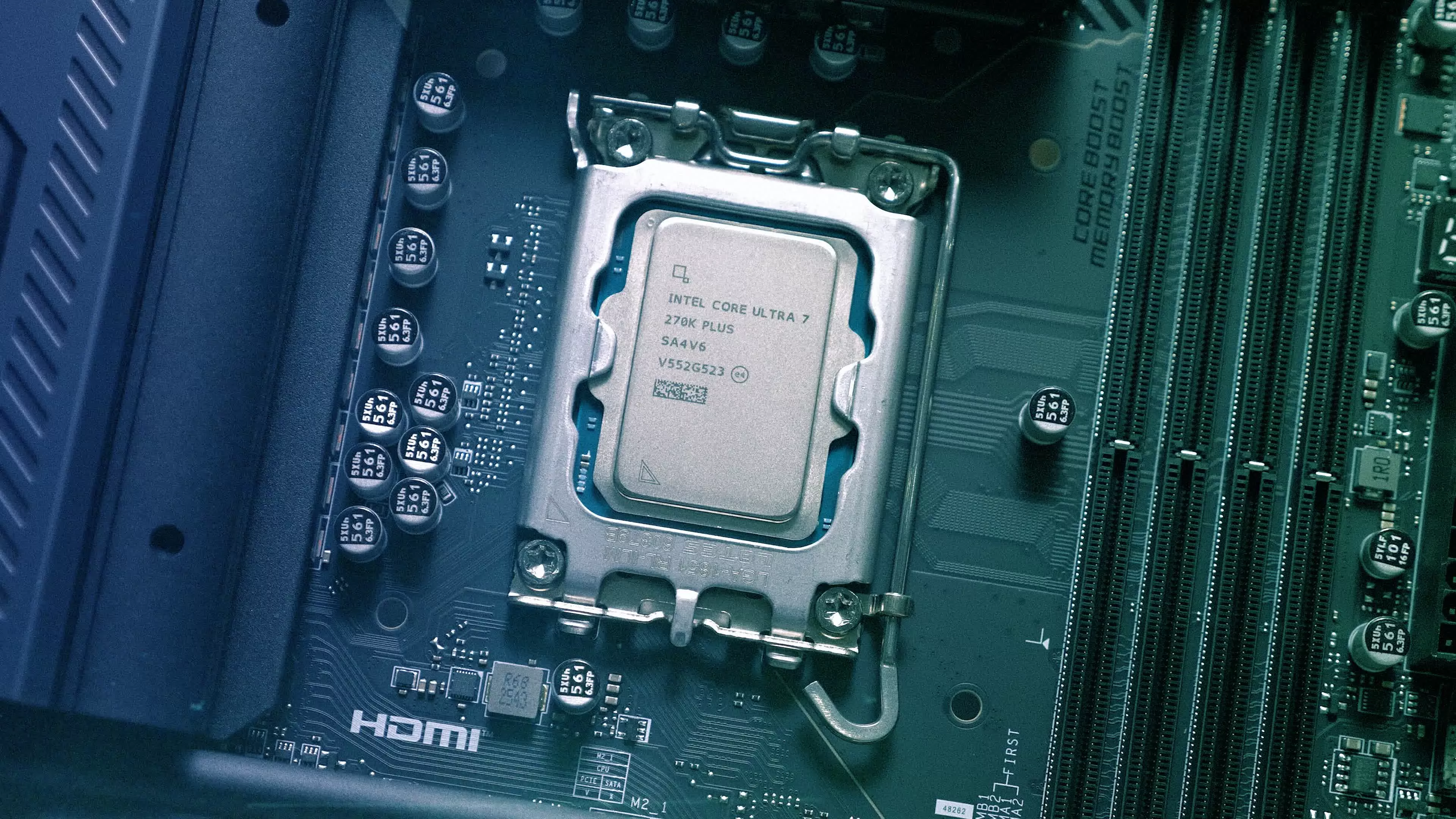
If you have more than $250 to spend, the good news is you don't actually need to spend much more than that on a CPU right now. Intel's Core Ultra 7 270K Plus is a one-stop shop for all your workload needs. Whether that's gaming or productivity, if you want a CPU that tackles everything with a high degree of efficiency, get the 270K Plus.
This model packs 8 P-Cores clocked at up to 5.5 GHz along with 16 E-Cores clocked as high as 4.7 GHz. There's 36 MB of L3 cache and a Max Turbo TDP rating of 250 watts.
In multi-threaded, core-heavy productivity workloads it performs within 2-5% of the AMD Ryzen 9 9950X, a chip that often retails for twice the price, making it currently the most cost-effective way to get high-end workstation performance on the desktop by a wide margin.
Not only that, but unlike the original 265K, the "Plus" version fixes internal latency issues, which has greatly improved gaming performance to the point where it's no longer embarrassing. AMD's X3D chips still hold the crown for pure gaming, but in my opinion the 270K Plus is now close enough that the price savings make it more attractive for most people, especially if you're looking for strong performance across a range of use cases.
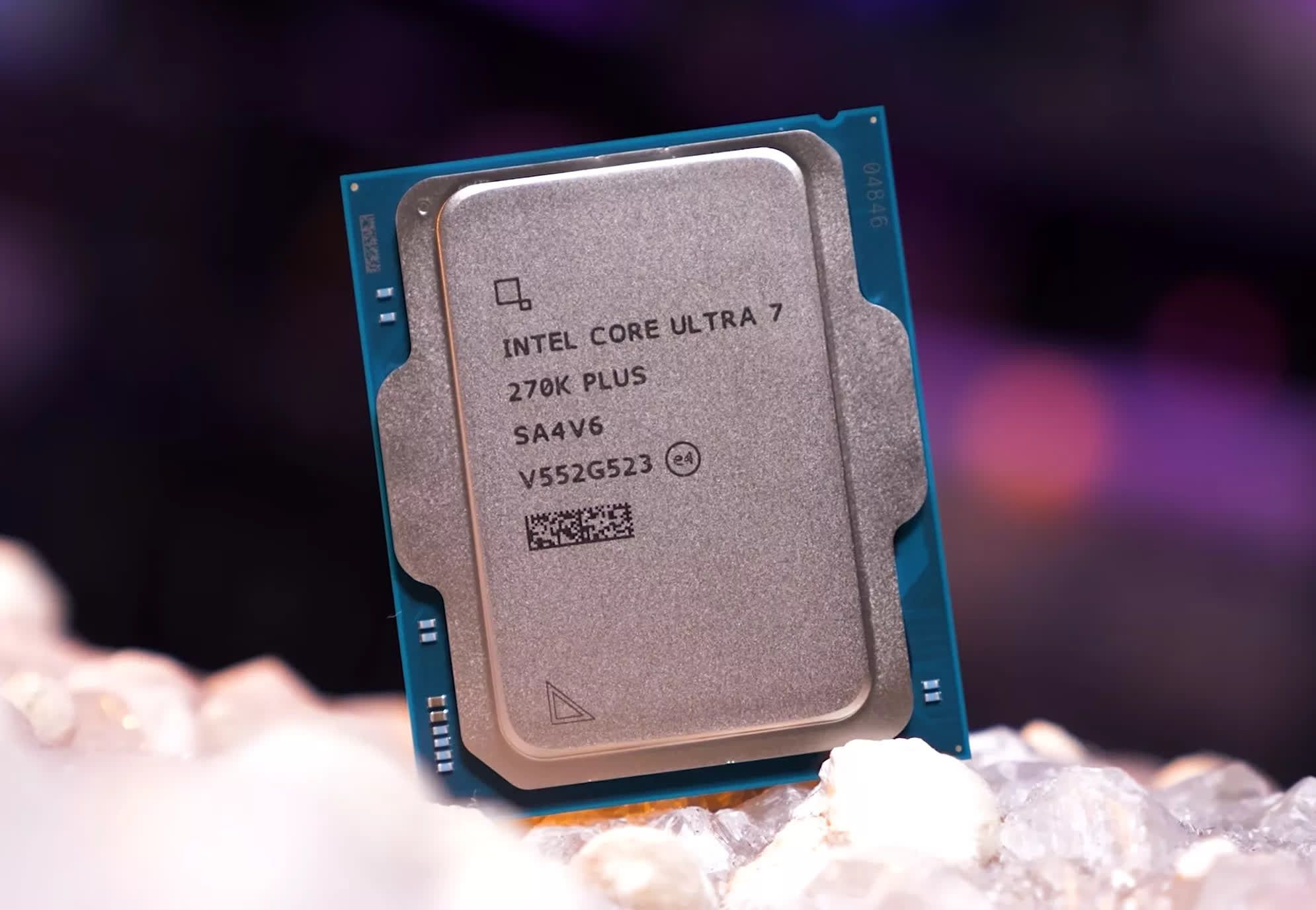
Getting 9950X-level productivity and gaming performance from the 270K Plus at a fraction of the price makes concerns like future platform support largely irrelevant. As was the case with the 250K Plus, you're effectively getting the motherboard for free.
The cheapest Ryzen 9950X we could track down was $500, and you can absolutely get a Z890 motherboard for $170, though we'd advise spending a little more. Around $200 gets you some very nice options. Either way it's an amazing combo and just incredible bang for your buck.
Best Gaming CPU
Ryzen 9850X3D or 9800X3D or 7800X3D

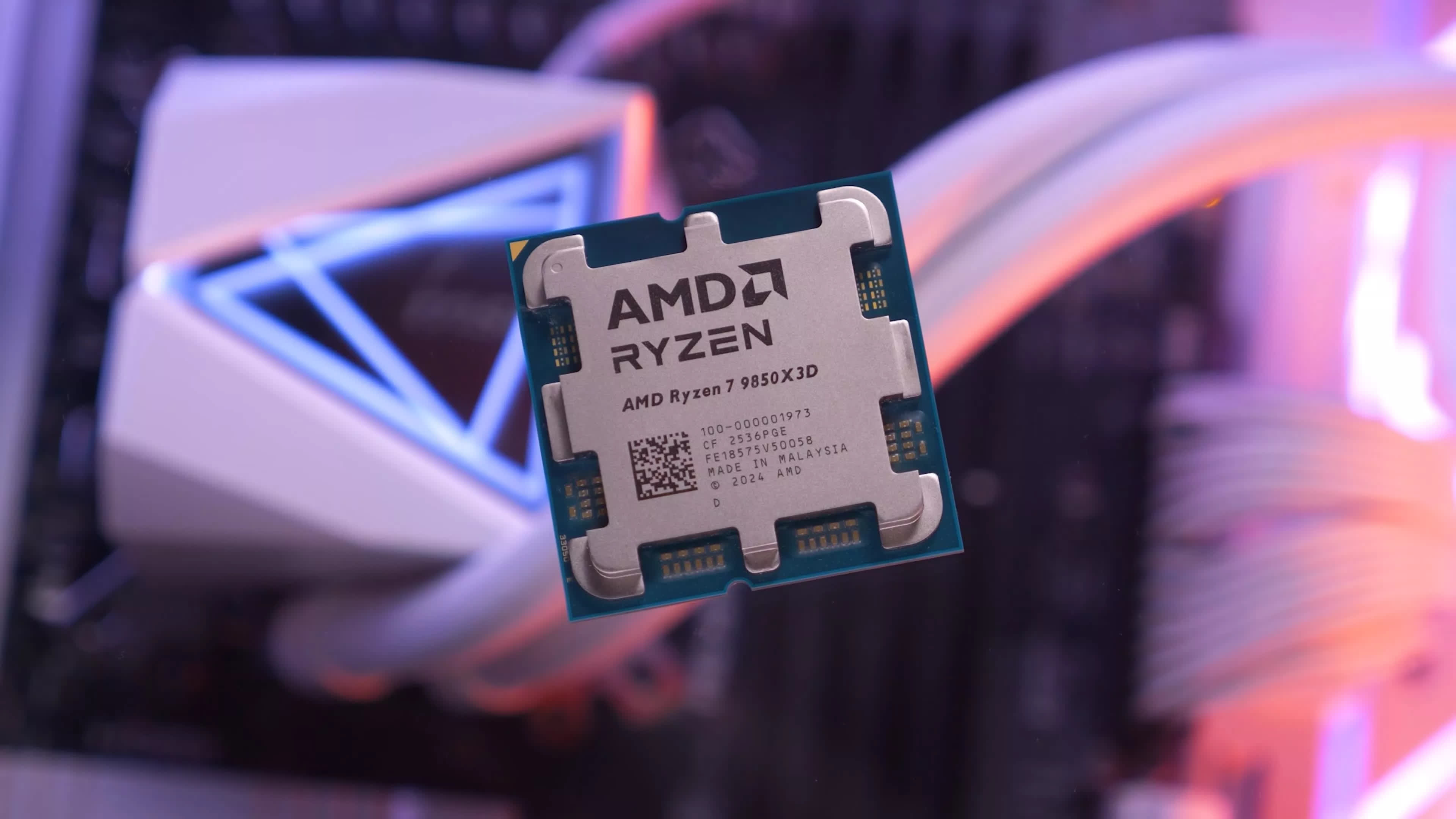
There's really no debating this one: the Ryzen 7 9850X3D is hands down the best gaming CPU money can buy right now, though it's not necessarily the CPU you should buy. It's just 4% faster than the 9800X3D on average, so the current 9% price premium doesn't really make sense, though to be fair that's not a crazy premium.
Still, it's worth questioning whether you should even buy the 9800X3D given it currently costs 17% more than the 7800X3D for around 10% better performance on average.
There's really no wrong choice among these three if gaming performance is your primary concern. They're all 8-core/16-thread CPUs, so they do get outpaced by the 270K Plus in core-heavy workloads, but when it comes to CPU-limited gaming the 7800X3D was 13% faster on average in our testing while the 9800X3D was 24% faster.
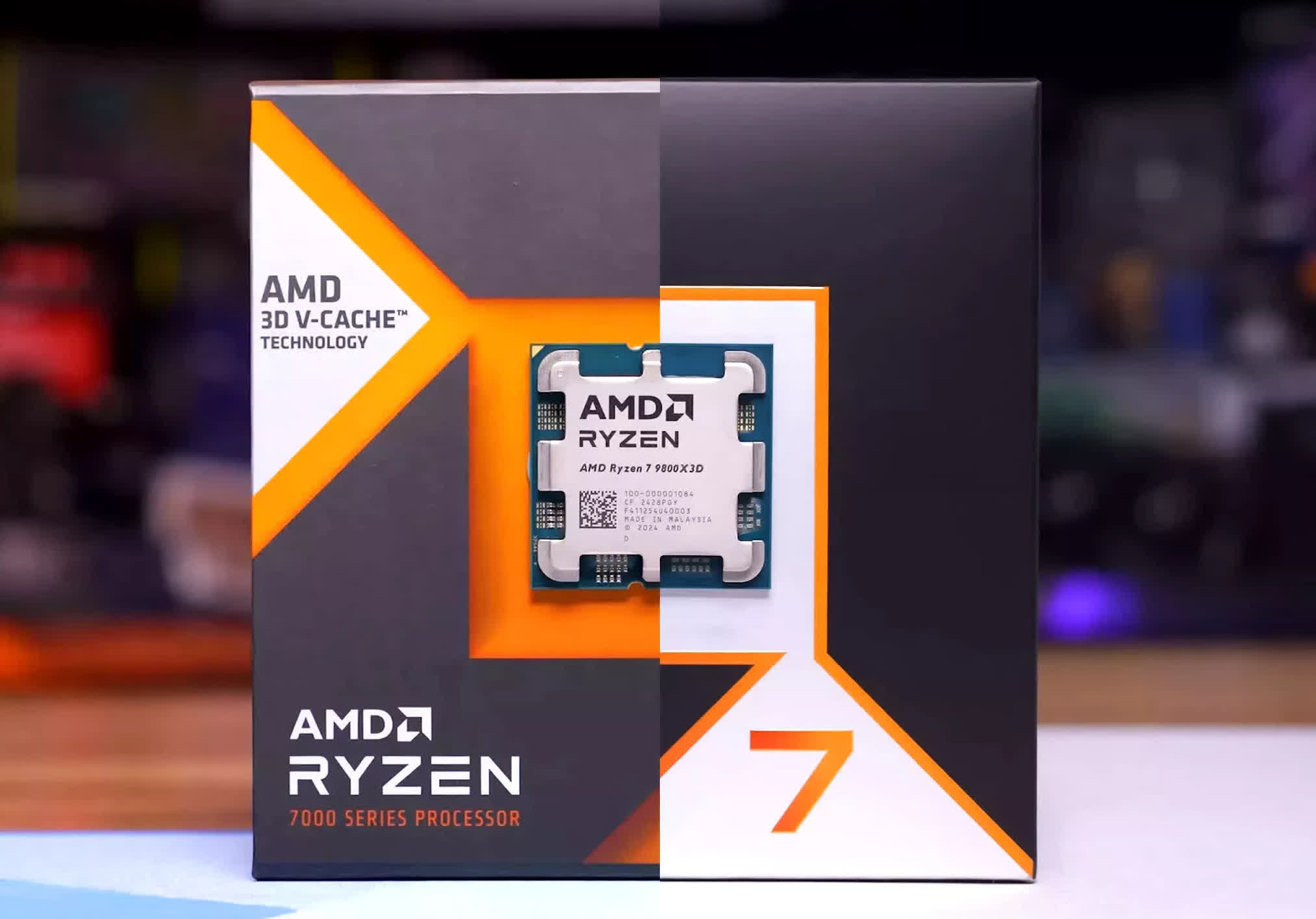
At the time of writing, the 9800X3D was outselling the 9850X3D on Amazon, with the 9800X3D just edging out the 9950X3D. It was striking to see these two expensive, high-end CPUs occupying the top two and three spots. Even the 9850X3D made the top 10 in 8th place, and then there's the best value model, the 7800X3D, in 5th. That means four of the top eight best-selling CPUs on Amazon right now are AM4 X3D models.
These X3D CPUs are extremely popular right now because they're the best of the best, and people want the best, especially gamers. That said, as good as the 9800X3D is, not everyone needs it. For many gamers, our Best Value Mid-Range CPU pick, the Core Ultra 7 270K Plus, will be just as good. It does depend on the games you play and how long you plan on keeping the CPU, so there's no one-size-fits-all answer here.
Best Productivity CPUs
Core Ultra 7 270K Plus or Ryzen 9 9950X3D2 or... go Threadripper!

For our best productivity CPU pick, this is a category where we have to lean pretty heavily on "it depends," because the recommendation really does hinge on a few things. For example, are you after the very best productivity performance money can buy? And do you want to stick with a mainstream platform or a workstation platform?
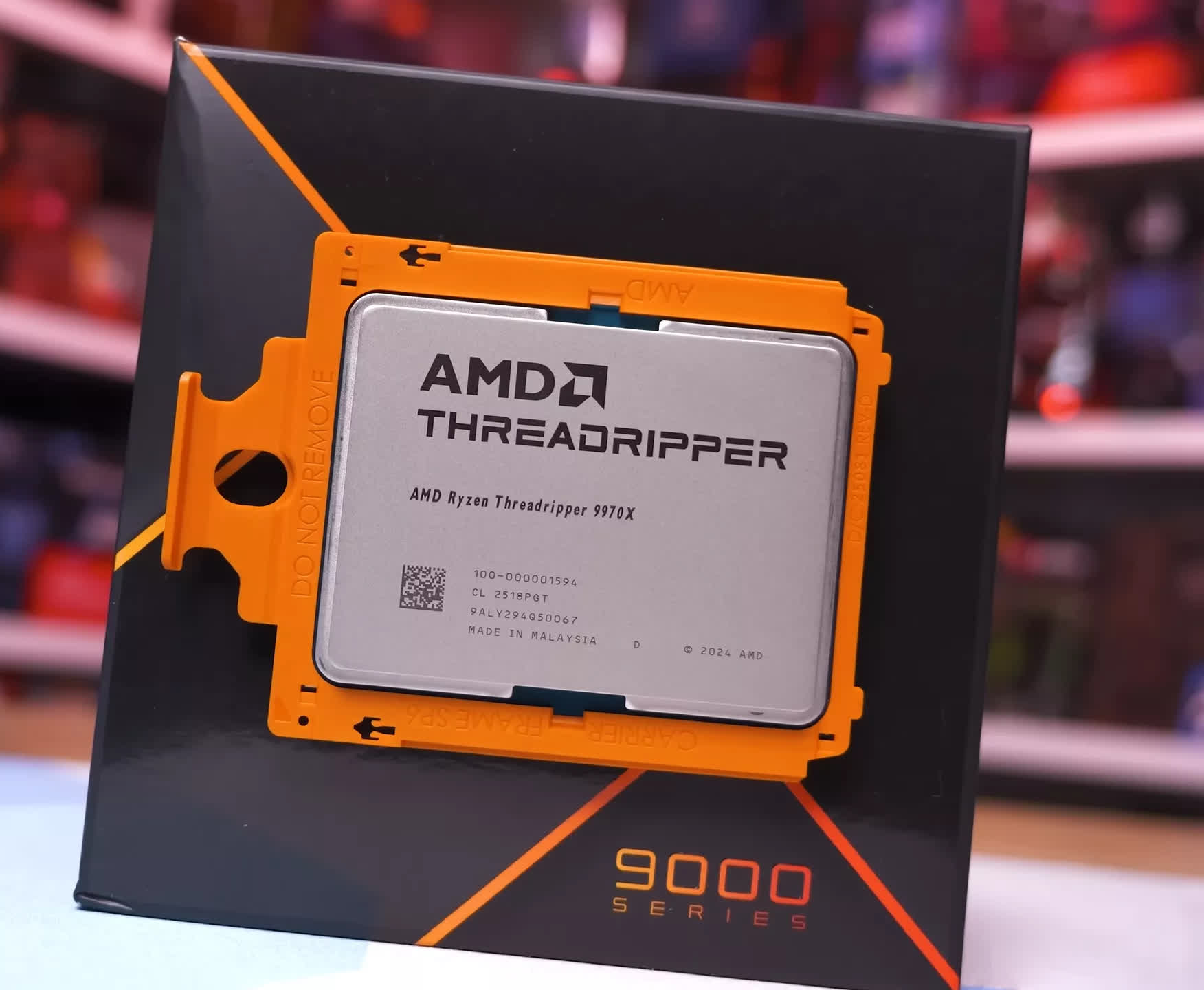
AMD's Threadripper 9000 series is still fairly dominant in the workstation space. We use the Threadripper 9980X to edit and encode video and it's an absolute beast, but it currently costs $4,600, or $7,500 for the Pro version. Then you need a motherboard, which adds at least another $1,000.
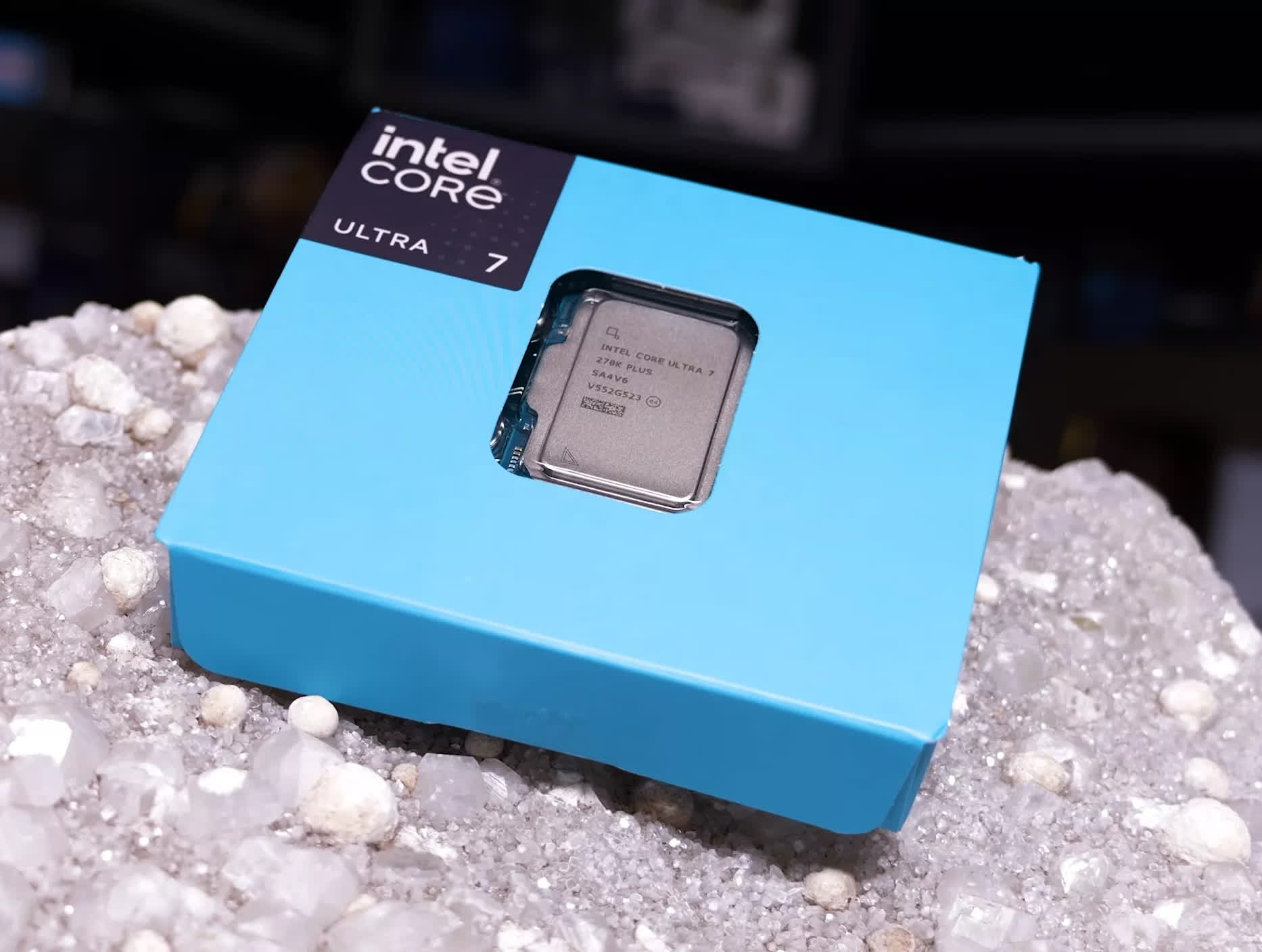
So assuming you'd rather not spend that much and prefer to stick with a mainstream platform, that leaves you with the Ryzen 9 9950X, 9950X3D, 9950X3D2 Dual Edition, or my personal favorite, the Intel Core Ultra 7 270K Plus. To be clear, the 270K Plus isn't better than the 9950X3D2 Dual Edition or any of the 16-core Ryzen 9 parts. However for the price it's worth mentioning again because it generally performs within 2-5% of the AMD Ryzen 9 9950X.
So if you want the fastest productivity CPU on the desktop, spend $900 on the 9950X3D2. But if you want the best value high-end productivity CPU, get the 270K Plus, and at $330 that would without question be my personal choice.
One important side note: when talking about productivity performance, we're generalizing, so you'll absolutely want to research performance for your specific workloads. There are workloads where the 9950X3D2 is much faster than the 9950X3D, and others where the 270K Plus is faster or slower, so keep that in mind.