Bottom line: PC makers are selling more expensive machines into a market with fewer available units, as tight memory supplies reshape product mix, pricing, and demand for AI-capable systems. That shift is helping manufacturers preserve – and in some cases expand – revenue even as global shipments decline, but it is also pushing the industry further away from the low-cost devices that once drove volume growth.
Crystal ball: Nearly every major tech company is now trying to oversell this inflated "AI-powered" narrative, and the PC market is no exception. Dell, who happens to be shipping a lot of PCs to every corner of the world, is apparently taking a more skeptical stance moving forward, arguing that the push is misguided because customers are not lining up to buy new "AI PCs" at all.
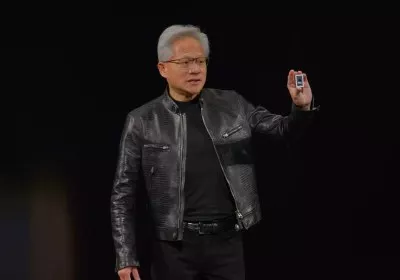
Rumor mill: Reports indicating that Nvidia plans to compete with Intel, Qualcomm, and AMD in the AI PC processor market have circulated for about a year. As Arm's spat with Qualcomm intensifies and the latter's Arm PC exclusivity license nears its end, other companies, including MediaTek and Nvidia, are expected to broaden the sector next year.
In brief: Makers of AI PCs and processors will be happy with the news that people are buying these products, which feature NPUs designed to accelerate AI tasks. The less welcome caveat is that according to a new report, many people are purchasing them simply because they want or need a new PC – not because of the AI features.
We're already seeing some interesting shifts and redefined comparisons in the Copilot+ PC era
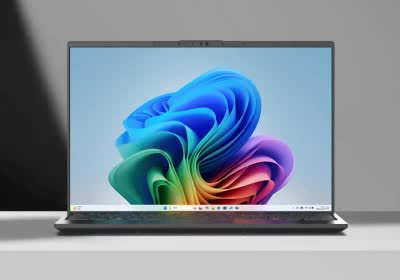
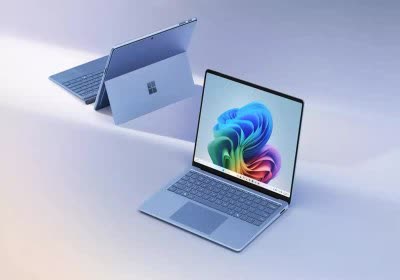
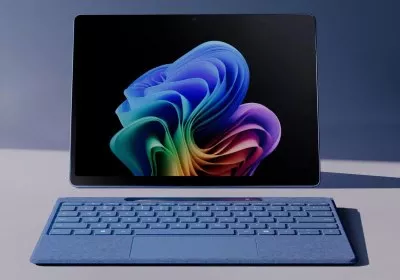
Something to look forward to: Even though it's only been two months since they were first announced and just a month since they've shipped, Copilot+ PCs are already having a noticeable impact on the PC market. Major OEMs like Dell, HP, Lenovo, and Microsoft's Surface group have released slick new NPU-accelerated "AI PCs." Other vendors such as Samsung, Acer, and Asus have also joined with impressive new devices.