It's the Super Bowl's most advanced assistive tech yet
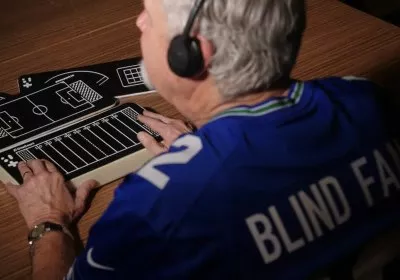
First look: For ten fans this year, the Super Bowl's biggest innovation won't unfold on the field. Instead, blind and low-vision spectators will follow the game in real time through a tactile device that transforms live tracking data into motion they can feel.
The wireless retinal implant converts video from smart glasses into signals the brain can interpret
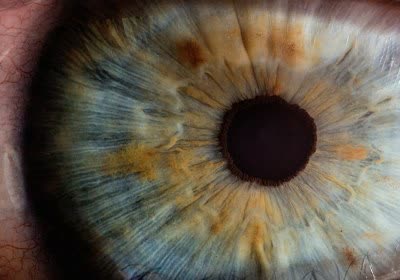
Forward-looking: A first-of-its-kind bionic chip, smaller than a grain of rice, has delivered remarkable results in early clinical trials by restoring functional vision to patients blinded by macular degeneration. The breakthrough is being hailed as a potential turning point for artificial vision technology – shifting a field long defined by prototypes and promises toward one that could soon enter routine clinical use.