Stop Killing Games lost in Brussels and Sacramento. A federal bill picks up where they left off
Why it matters: Two years after Ubisoft's The Crew went dark and took 12 million copies with it, the question of whether you own the games you buy has finally reached Congress. A proposed bill by Representative Ritchie Torres is short on detail and long on obstacles, but it is the first federal attempt to answer a question the industry would rather leave alone.
Facepalm: Once again, Flock is making headlines it would rather avoid: the company has admitted that it reinstalled its cameras in a California city after the police force canceled its contract and took them down. Flock, for its part, is pointing to an automated system that thought the cameras going offline meant there was a fault, though it also seems to be blaming the city for removing its cameras too quickly.
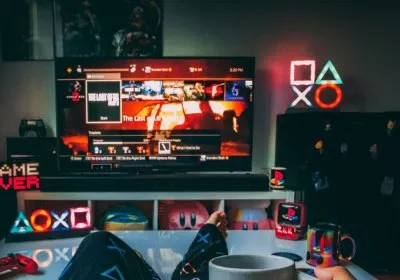
Facepalm: Console enthusiasts recently discovered another form of DRM policy reportedly implemented by Sony in games purchased on PlayStation systems. However, users are still debating how serious the policy is for long-term game ownership. AI-generated support messages and Sony's reluctance to directly address the issue have only added to the confusion.
First shipments are expected later this year as demand for green materials grows
Forward-looking: As InventWood prepares to bring its first batches of Superwood to market, it stands as a testament to what can happen when scientific innovation meets entrepreneurial determination. If successful, Superwood could mark a turning point in the quest for greener, stronger, and more beautiful buildings.
What just happened? Arm has abandoned its efforts to terminate a crucial license agreement with Qualcomm, allowing the latter to continue producing its custom Arm-compatible chips for various devices. This decision marks a turning point in the ongoing legal battle between the two tech giants, which began in 2022.
Editor's take: Steam has become one of the first companies to admit that you do not own the games you buy. This acknowledgment comes as new regulations take effect. We've long known that digital game purchases are nothing more than long-term rentals, and there's little we can do to change that. However, more transparency around this arrangement is welcome nonetheless.