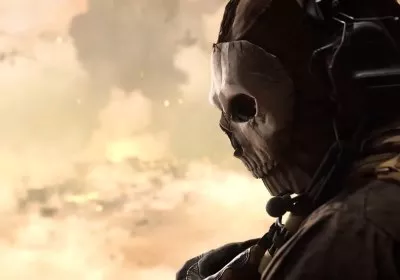
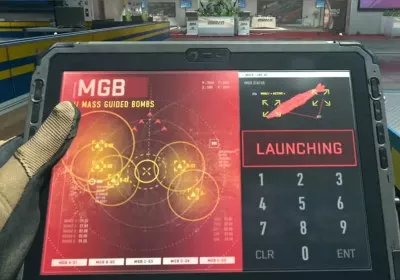
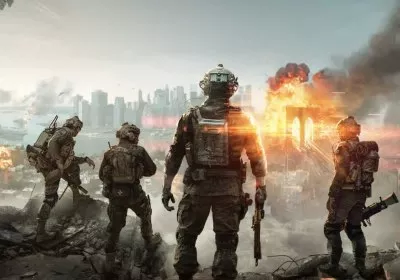
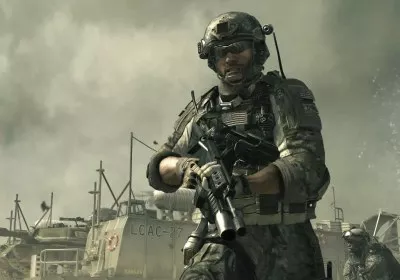
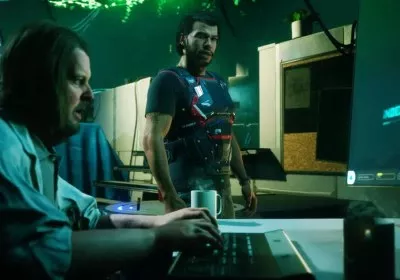
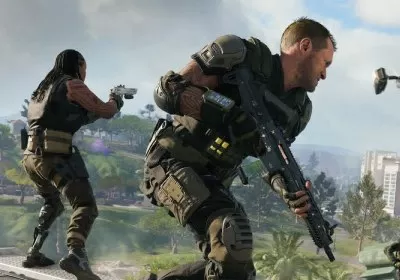
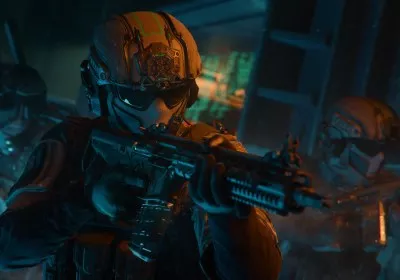
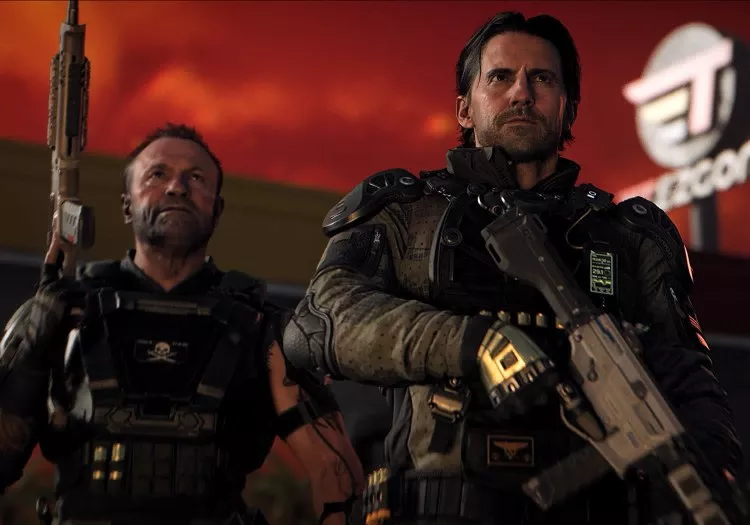
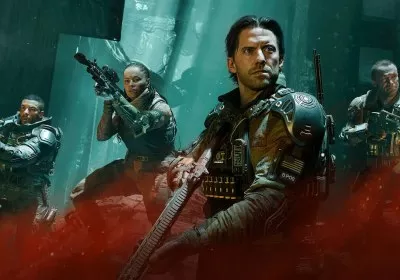
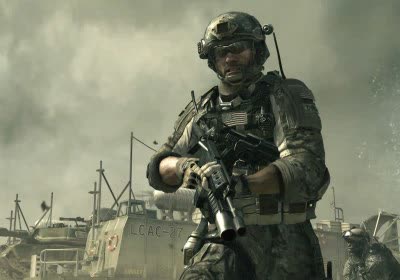
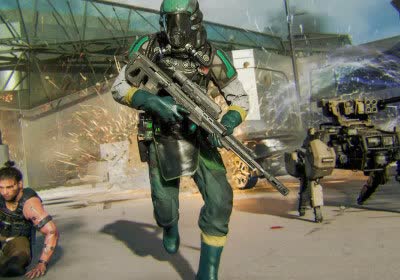
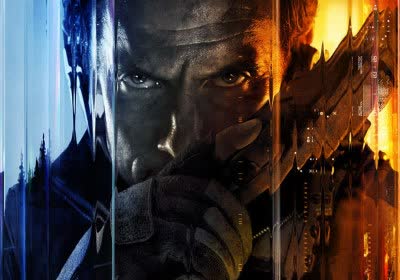
Something to look forward to: Activision has finally pulled back the curtain on Infinity Ward's latest Call of Duty game, confirming prior reports regarding its setting and platform availability. As the franchise takes ripped-from-the-headlines storytelling to a new level, Modern Warfare 4 promises higher technical specifications, a revamped movement system, the return of DMZ mode, and more.
Bottom line: Amid Microsoft's ambition to turn Game Pass into gaming's dominant business model, one of its most valuable assets is showing signs of strain. Call of Duty, a $35 billion global franchise known for annual billion-dollar releases, appears to be in decline less than two years after Microsoft completed its acquisition of Activision Blizzard.
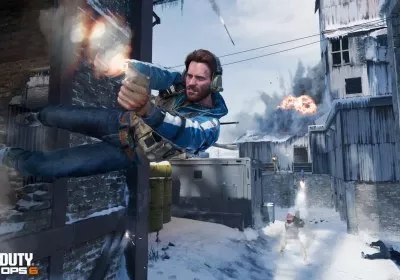
Reviewers praise Black Ops 7 for its ambitious scope, polished multiplayer, and inventive Endgame mode. Its co-op options, Zombies, and nostalgic callbacks help it stand out, with some outlets calling it one of the franchise's strongest entries in years. However, despite the high notes, an uneven campaign and inconsistent storytelling keep it from reaching its full potential.
The big picture: Researchers from the Universities of Birmingham and Warwick in the United Kingdom estimate that roughly 80 websites selling cheats for online video games generate between $12 million and $73 million annually. Although some cheats can bypass robust (and often unpopular) anti-cheating software, these tend to be more expensive.
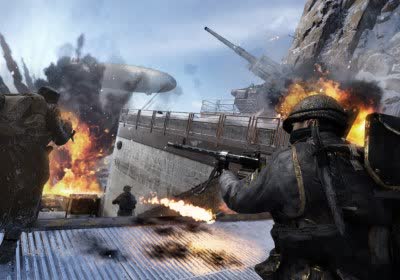
What just happened? Just days after its arrival on PC Game Pass, Call of Duty: WWII has been pulled offline. The abrupt removal follows a surge of reports from the gaming community about a critical security vulnerability that allowed attackers to remotely take control of players' computers during online matches.
Facepalm: Activision Blizzard has used the tried-and-tested "it was an error, honestly," excuse after it placed ads for purchasable items in the loadout screens of Black Ops 6 and Warzone. Their appearance led to a huge backlash, and now Activision is claiming they were a "feature test" published "in error," which nobody believes.