What $135 (or more) a share buys: a rocket business, Starlink, and a very, very large bet on AI
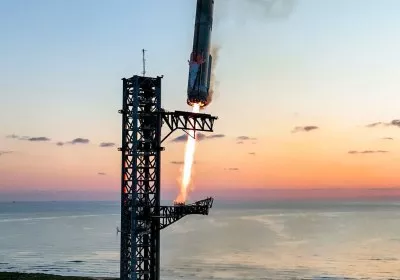
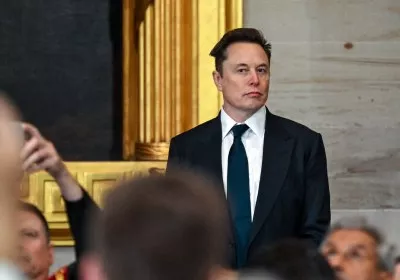
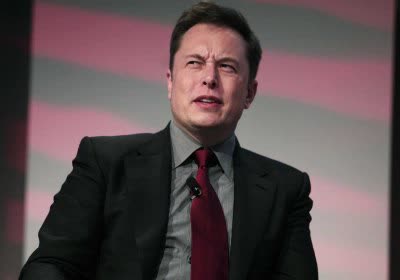
Why it matters: The largest IPO in history did two things at once: it made Elon Musk the world's first trillionaire, and it quietly converted a privately held rocket company into a stock that millions of investors may soon own whether they chose to or not. SpaceX isn't asking Wall Street to price its launches or its satellites. It's asking the market to bet that a rocket company is on its way to becoming one of the most valuable AI companies on Earth, and to start paying for that future today.
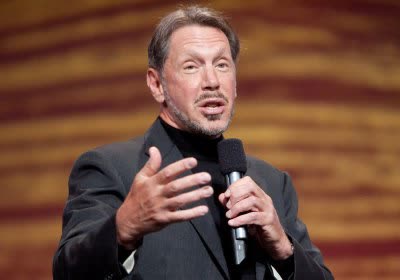
Editor's take: Larry Ellison has spent decades shaping Silicon Valley through Oracle, the software company he co-founded in 1977. Now 81, and with a fortune that recently placed him among the richest people in the world, Ellison is moving in a new direction: media ownership. His investments, alongside those of his son, David, suggest ambitions that extend well beyond the corporate software world he helped define.
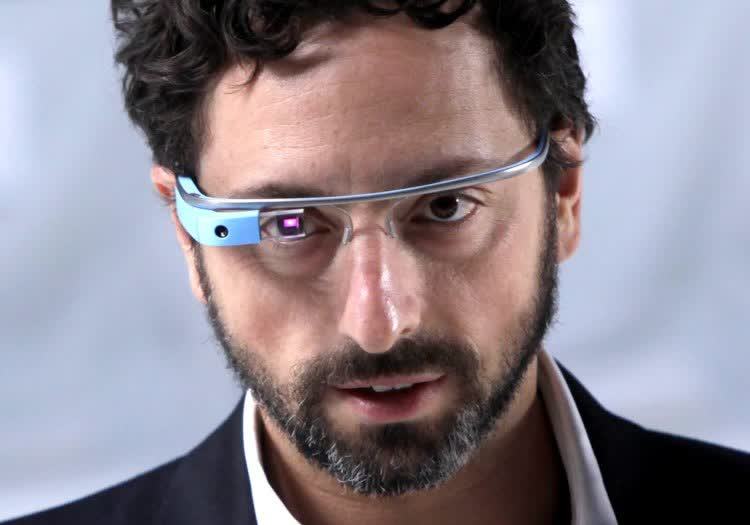
A hot potato: Sergey Brin, the billionaire who co-founded Google alongside Larry Page in 1998, isn't the biggest believer in the idea of a work-life balance. He says that in order for Google to come out on top in the ultra-competitive AI industry, employees should work no fewer than 60 hours per week, which Brin calls the "sweet spot of productivity."
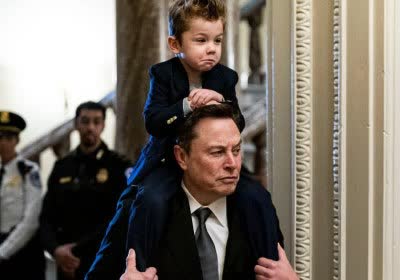
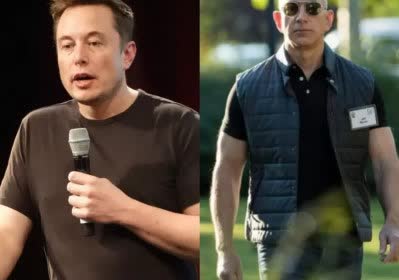
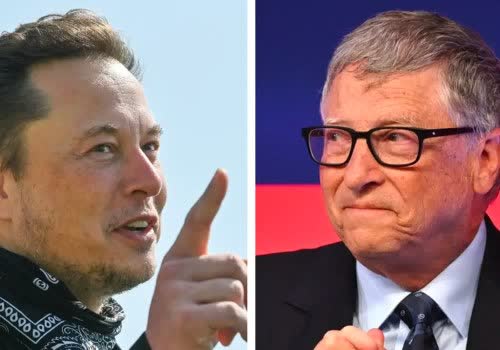
What just happened? Elon Musk is often referred to as the richest person in the world, but not everyone agrees that he currently holds the title. According to Forbes, the Twitter boss has been overtaken on the rich list by Bernard Arnault, who is now number one with a $187.5 billion fortune.