Connecting the dots: Pokémon Go's global AR craze is now steering something far more prosaic than virtual Pikachu: real delivery robots trying to find the right doorway on a crowded city block. The same location data and street-level imagery that once anchored monsters to sidewalks and plazas have been repurposed by Niantic. Coco Robotics is now using that technology to guide its sidewalk bots through dense urban areas where GPS alone is too unreliable to keep them on course.
Sounding off: Microsoft has often talked about turning Windows into an agentic OS, despite serious reservations from many quarters. Most Windows users are unhappy with the idea of AI taking greater control of their PCs, and they are once again making it clear to Redmond that they are not on board with the company's plans.
The Hague fears growing Beijing influence over the EU's chip supply chain
A hot potato: The Dutch government has invoked a post – World War II law to take control of Nexperia, a Chinese-owned chipmaker, in a move underscoring growing global tensions over semiconductor security. Officials say the intervention was necessary to protect national and European interests, reflecting a broader shift toward tighter state oversight of strategic technologies.
Camera roll media will be uploaded to Meta's servers on an "ongoing basis"
A hot potato: The issue of user content being used to train AI is a controversial one. Meta has been doing it with publicly available data for a while now, but its latest move is causing even more outcry: Facebook is asking for access to users' camera rolls so Meta AI can offer suggested edits to photos that haven't been uploaded.
Why you shouldn't trust early (controlled) coverage of a product
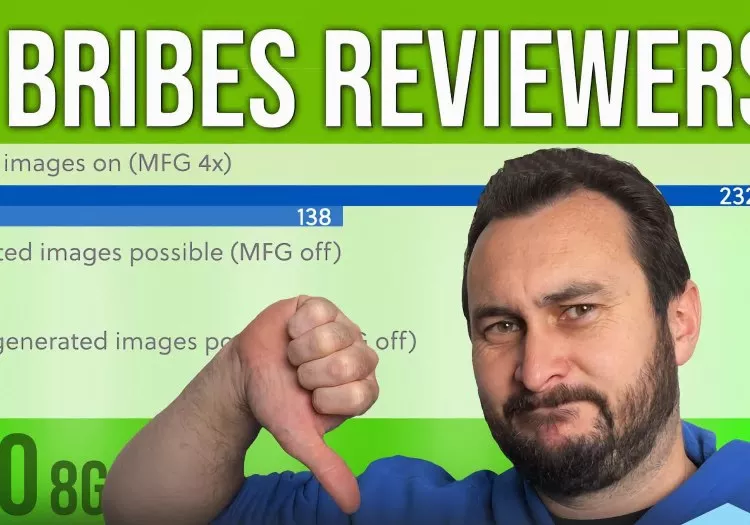
Facepalm: As Computex 2025 is set to unfold in Taipei, much of the tech world's attention will be understandably drawn to new innovations and big announcements at the show. Yet, amid the buzz, a more troubling story is playing out behind the scenes – one that raises serious concerns about transparency, media integrity, and the trustworthiness of GPU launch coverage. The issue? Nvidia's release strategy for the GeForce RTX 5060, and how the company is manipulating public perception through tightly controlled media "previews."
The anti-piracy campaign that failed its own background check
WTF?! In what must be the very definition of irony, one of the most infamous anti-piracy campaigns from two decades ago may have included a font that was, in essence, stolen. The "You Wouldn't Steal a Car" PSA is still remembered by many people old enough to recall its 2004 launch, but it seems the ad didn't heed its own warning.
AI use will also become part of Shopify's performance and peer reviews
A hot potato: In another example of the impact AI is having on jobs, Shopify's CEO has issued a warning to the company's managers: show that AI can't do the job better than a human before hiring new workers. Shopify previously laid off staff after it started using generative AI to complete some customer support tasks.