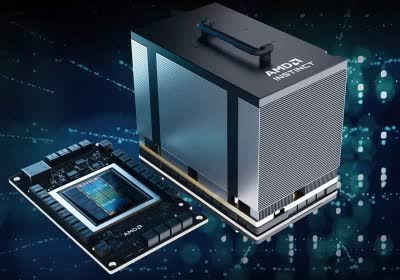
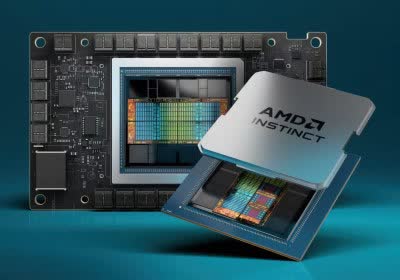
AMD also unveiled the CDNA 5-based Instinct MI455X AI accelerator
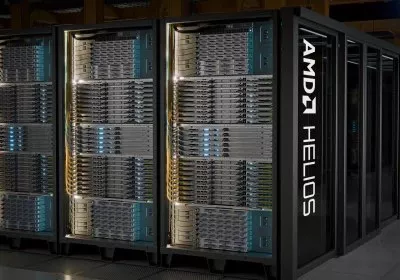
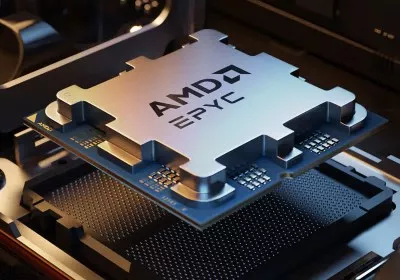
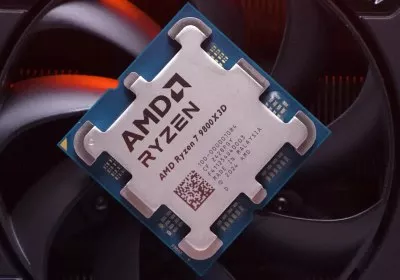
The big picture: AMD had a busy week, announcing the Ryzen 7 7700X3D CPU for gaming PCs and the Epyc Venice lineup for agentic AI workloads in data centers and high-end workstations. The company also launched the Helios rack-scale AI system at its Advancing AI 2026 event in San Francisco and previewed its next-generation Zen 7 and Zen 8 CPU architectures.
OpenAI is betting on AMD chips in challenge to Nvidia's AI dominance
What just happened? The scale and speed of investments by OpenAI, Meta, Alphabet, and Microsoft in chips, data centers, and energy infrastructure have drawn comparisons to past build-outs, from the 19th-century railroad boom to the fiber-optic rollout. AMD's gains suggest a shift in the AI hardware market while underscoring how closely the leading players are tying their futures to rapid infrastructure growth.
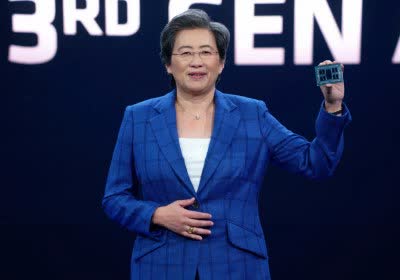
Why it matters: AMD is in the unique position of being the primary competitor to Nvidia on GPUs – for both PCs and AI acceleration – and to Intel for CPUs – both for servers and PCs – so their efforts are getting more attention than they ever have. And with that, the official opening keynote for this year's Computex was delivered by AMD CEO Dr. Lisa Su.